
Ventilation in New Albany, OH
Ventilation installation and service in New Albany, OH improves IAQ and moisture control; learn about ERV/HRV options and schedule a consult.

Ventilation in New Albany, OH
Proper home ventilation in New Albany, OH is essential for comfortable living, moisture control, and long-term building health. With humid Ohio summers, cold winters, and increasing focus on tighter, more energy-efficient construction, homeowners face common problems like high indoor humidity, persistent odors, condensation on windows, and uneven airflow.
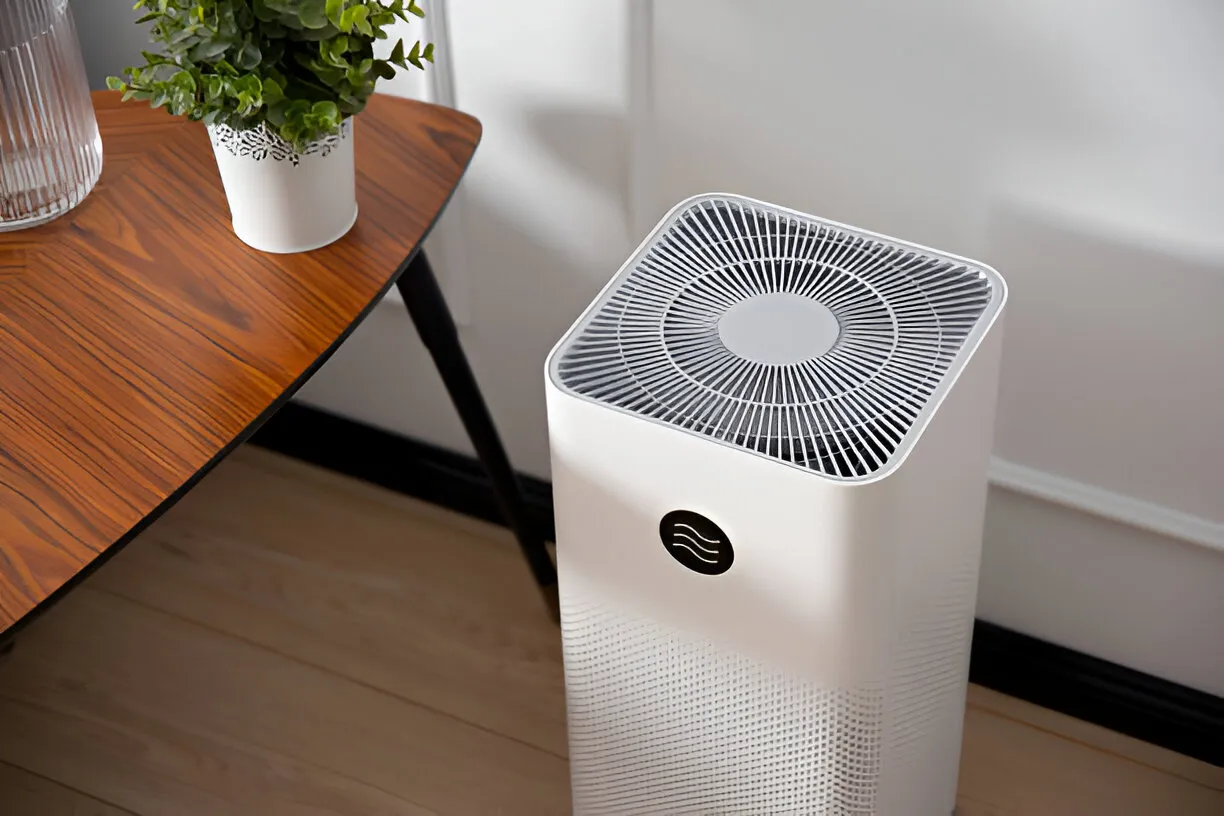
Common ventilation problems in New Albany homes
- High summer humidity that contributes to mold growth and musty basements.
- Winter condensation on windows and trim from inadequate fresh air exchange.
- Stale indoor air, persistent cooking or bathroom odors, and volatile organic compounds (VOCs) from building materials.
- Uneven ventilation due to poor duct distribution or reliance on natural leaks.
- Radon and basement moisture concerns that interact with building pressurization and ventilation strategy.
Ventilation system types and how they work
- Exhaust ventilation: Single-point fans remove stale air from bathrooms, kitchens, or whole-house exhaust systems. Simple and lower-cost, but can pressurize the home negatively and draw soil gases into basements if not paired with makeup air.
- Supply ventilation: A dedicated fan supplies filtered outside air into living spaces. Good for controlling where fresh air enters, but may require dehumidification in humid months.
- Balanced ventilation: Combines supply and exhaust to maintain neutral pressure. The most effective approach for consistent IAQ.
- ERV (Energy Recovery Ventilator): Transfers both sensible heat and some moisture between incoming and outgoing air. In New Albany’s humid summers and cold winters, ERVs help limit indoor humidity swings and reduce HVAC load.
- HRV (Heat Recovery Ventilator): Transfers sensible heat only. Works well in very cold, dry climates but is less effective than ERVs at moisture control during Ohio’s humid season.
Why balanced ventilation matters for indoor air quality and moisture control
Balanced ventilation delivers controlled fresh air without creating strong negative or positive pressures. That matters because:
- It reduces infiltration of unconditioned air and soil gases, including radon, by avoiding negative pressure in basements and crawlspaces.
- It provides consistent ventilation throughout the house, diluting indoor pollutants such as VOCs, cooking byproducts, and excess moisture.
- When paired with an ERV, it lowers the energy penalty of bringing outdoor air inside by recovering heat and moisture, which helps the HVAC system maintain comfort more efficiently.
Assessment and system-design steps
A proper ventilation solution starts with a systematic assessment:
- Building audit: Evaluate insulation, air sealing, existing HVAC, and moisture sources (basement, attic, appliances).
- Blower door and combustion safety tests: Measure airtightness and confirm vented combustion appliances will operate safely when ventilation is added.
- Ventilation rate calculation: Use established standards (such as ASHRAE 62.2) to determine required airflow based on home size and occupancy.
- Equipment selection: Choose ERV vs HRV vs supply or exhaust based on climate, humidity profile, and house tightness. In New Albany, ERVs are often preferred for humidity control.
- Distribution design: Plan duct routing, intake/exhaust locations, filtration levels, and noise considerations to ensure even airflow and occupant comfort.
Code and efficiency considerations
Ventilation systems installed in New Albany should comply with applicable building and energy codes, which commonly reference national standards like the International Energy Conservation Code (IECC) and ASHRAE 62.2 for ventilation rates and control strategies. Permitting and inspection requirements vary locally, so system design must account for:
- Required ventilation rates and controls for new construction or major renovations.
- Energy recovery efficiency specifications when an ERV/HRV is used.
- Safety measures for combustion appliances to prevent backdrafting.
Meeting code also helps ensure the system operates efficiently and qualifies for any energy-related incentives or utility programs available locally.
Typical installation process
- Site preparation and mounting: Install the ERV/HRV unit in a conditioned or easily accessible mechanical space. Place intakes away from contaminants and exhaust terminations to allow proper airflow.
- Ductwork and distribution: Run insulated ducts to living spaces and wet rooms; size ducts to reduce noise and maintain required cfm.
- Controls and integration: Install timers, humidity sensors, or demand controls and integrate with the central HVAC if desired.
- Commissioning: Measure delivered airflow, adjust balancing dampers, and verify combustion appliance safety and pressure relationships. Proper commissioning is crucial to ensure the system achieves designed performance.
Controls and energy impacts
Modern ventilation controls can reduce energy use while maintaining IAQ:
- Timed ventilation schedules or occupancy sensors reduce unnecessary runtime.
- Humidity and CO2 sensors enable demand-controlled ventilation to increase fresh air only when required.
- ERVs reduce heating and cooling loads by transferring heat and moisture; in New Albany they often improve summer dehumidification and winter heat retention compared with uncompensated ventilation.
- Integrating ventilation with HVAC systems can support centralized filtration and overall efficiency, but designs should avoid overtaxing existing furnaces or air handlers.
Choosing the right strategy for different homes
- New construction: Balanced ERV systems are recommended for tight, well-insulated homes to manage both energy and moisture.
- Retrofits in older, leaky homes: Targeted spot or exhaust ventilation can be an economical first step; however, if you plan to air-seal, upgrade to a balanced approach later.
- Homes with basements or radon concerns: Use balanced ventilation and coordinate with radon mitigation professionals; avoid creating negative pressure that can increase radon entry.
- Allergy or asthma concerns: Consider higher MERV-rated filters on supply systems and ensure continuous, filtered fresh air supply to reduce indoor allergens.
Maintenance and seasonal tips for New Albany homeowners
- Replace or clean ERV/HRV cores and filters according to manufacturer recommendations, typically every 3 to 12 months.
- Inspect intake and exhaust terminations for obstructions, ice, or debris seasonally.
- Verify airflow and damper positions annually, and retest pressure relationships after major HVAC work or air-sealing projects.
- Prepare for summer humidity by ensuring drainage around intakes and confirming ERV operation; in extreme humidity, supplemental dehumidification may be required.
Local compliance and practical considerations
Ventilation work in New Albany should respect local permitting and inspection rules and align with state and national standards for safety and performance. Work that affects combustion appliances, ductwork, or structural elements often requires permits. Where radon is present or suspected, coordinate ventilation changes with radon testing and mitigation plans to avoid unintended increases in risk.
Well-designed ventilation is a foundational step to healthier, more comfortable homes in New Albany, OH. A targeted assessment, properly sized ERV or balanced system where appropriate, and routine maintenance will give reliable indoor air quality, control moisture year-round, and minimize energy impacts while meeting code and safety expectations.
Hot Deals & Cool Savings

.webp)
New Service Agreement Membership
.webp)
Any New Client Service
Next Service for Referring a New Client
New Service Agreement Membership
Any New Client Service
Next Service for Referring a New Client
.webp)
.webp)

Service Areas
