
Whole House Humidification in Downtown Columbus, OH
Whole House Humidification in Downtown Columbus helps protect woodwork and improve comfort. Install a tailored system today—contact us for a consult.

Whole House Humidification in Downtown Columbus, OH
Proper indoor humidity is one of the easiest ways to improve comfort, protect finishes, and reduce health symptoms during Downtown Columbus winters. A correctly designed whole house humidification system keeps relative humidity in the ideal range, prevents dry skin and respiratory irritation, and protects wood floors, furniture, trim, and musical instruments in city homes and condos that run high-efficiency heating systems.
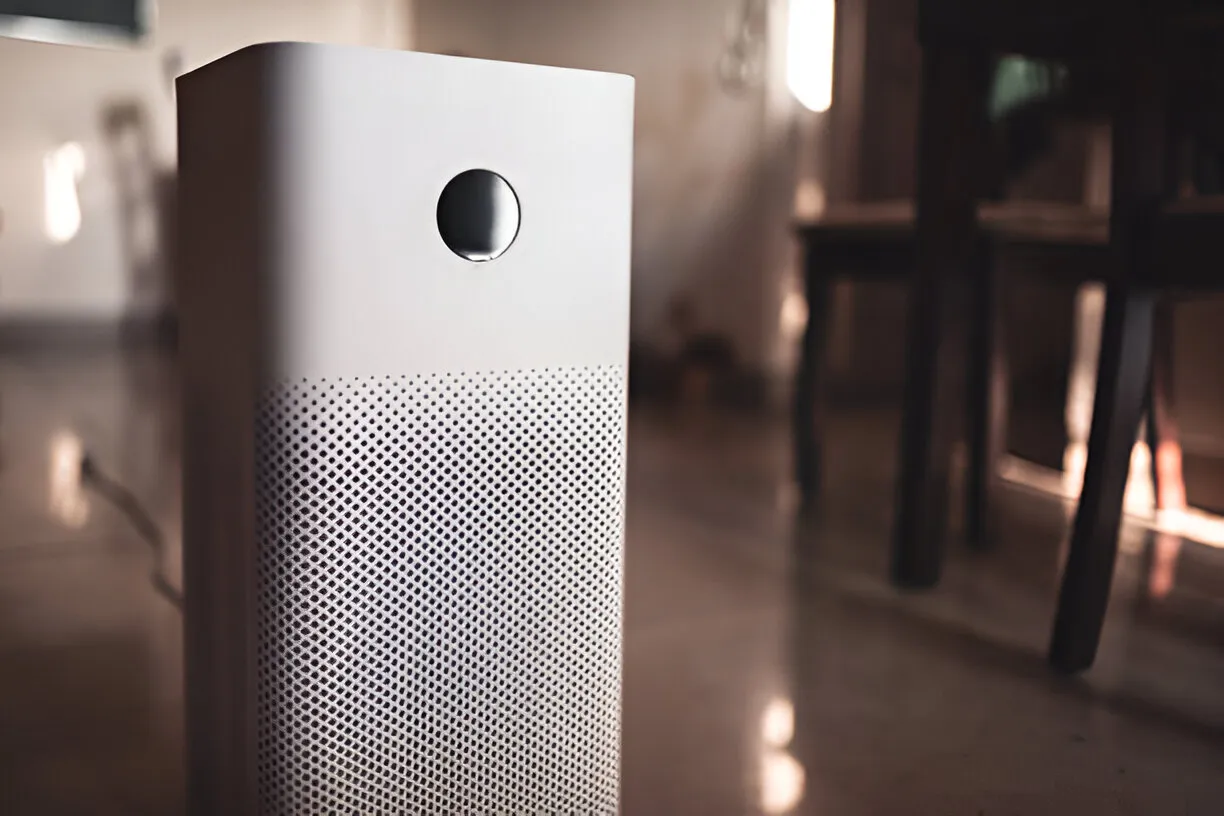
Why whole house humidification matters in Downtown Columbus, OH
Downtown Columbus experiences cold, dry winters when indoor humidity falls well below recommended levels. Modern HVAC systems and tightly sealed windows make this worse by reducing natural air exchange. The result is:
- Increased nasal and throat irritation, dry skin, and aggravated allergy symptoms.
- Shrinkage and cracking in wood floors, trim, and musical instruments common in older downtown row homes and renovated lofts.
- More static electricity and faster drying of upholstery and fabrics.
- Perception of colder indoor air, which can lead to higher thermostat settings and greater energy use.
A whole house humidifier corrects these issues by providing controlled moisture distribution through your existing ductwork.
Types of whole house humidification systems
Choosing the right system depends on home size, duct layout, water quality, and humidity goals. The main options are:
- Bypass humidifiers
- Use warm furnace air drawn through the humidifier and returned to the ductwork.
- Low cost and energy efficient with gas or electric furnaces.
- Best for well-sealed single-family homes with simple ductwork.
- Fan-powered humidifiers
- Include an internal fan to push humidified air directly into the supply duct.
- Better performance than bypass in homes with less furnace airflow or multi-level configurations.
- Slightly higher energy use, more consistent humidification.
- Steam humidifiers
- Produce steam independently of furnace air. Steam is injected into the supply plenum or ducts.
- Precise control and fast response, suitable for large homes, high-rise condos, or buildings with hydronic heating.
- Handle very low outdoor temperatures and large loads but require electrical and water connections and more frequent maintenance.
Common whole house humidification issues in Downtown Columbus and solutions
Common problems are often installation or maintenance related. Knowing these helps you choose the right system and avoid performance pitfalls.
- Over-humidification
- Symptoms: condensation on windows, mildew, musty odors.
- Solution: proper sizing, calibrated humidistat, and automatic control tied to outdoor temperature.
- Underperformance or uneven humidity
- Symptoms: dry rooms, fluctuating humidity levels.
- Solution: correct unit capacity, duct placement near supply plenum, and fan-powered or steam options for multi-story or large units.
- Mineral buildup and scale
- Symptoms: reduced output, clogged pads, shorter service life.
- Solution: use models with easy-to-replace evaporative pads, install sediment filters, or add water treatment when municipal water hardness is moderate to high.
- Leaks or water damage
- Symptoms: stains near HVAC cabinet, damp insulation.
- Solution: professional installation with proper drain lines, overflow protection, and routine inspections.
Sizing and integration with HVAC
Accurate sizing and seamless integration are critical for reliable performance.
- Load and capacity
- A system should be sized based on your home’s square footage, ceiling height, airtightness, and design heating load. In Downtown Columbus, cold winter design temperatures increase the humidification load compared with milder climates.
- Duct and plenum placement
- Best practice is to install humidifiers on the furnace supply plenum to distribute moisture evenly. Fan-powered units may be located in the return if supply access is limited.
- Electrical and plumbing
- Steam humidifiers require dedicated electrical circuits and a reliable water supply and drain. Bypass and fan-powered units typically need a cold water connection and a condensate drain.
An experienced HVAC professional will perform a humidity load calculation and ensure compatibility with your existing heating equipment.
Installation process and timeline
Installation steps are straightforward but must be done correctly:
- Site assessment and load calculation.
- Select system type based on load, ductwork, and water quality.
- Mount unit on supply or return plenum and connect to ductwork.
- Install water feed, drain, electrical connection, and controls.
- Commissioning: verify humidistat calibration, airflow, and absence of leaks.
A typical installation in a residential Downtown Columbus home is completed in one day for bypass or fan-powered units and may take two days for steam units due to additional electrical and plumbing work.
Water quality and filtration considerations
Central Ohio water tends to be moderately hard. Mineral content affects system life and maintenance.
- Evaporative pads and cartridges
- Regular replacement prevents scale and bacteria growth. Check manufacturer intervals; expect seasonal or annual changes.
- Sediment and carbon filtration
- A simple sediment filter reduces particulates that clog water lines and pads. Carbon filtration can address chlorine taste and odor if needed for steam systems.
- Water softening or demineralization
- For very hard water or steam systems that produce visible white dust, consider point-of-use softening or a demineralization cartridge to extend component life and reduce deposits.
Controls and automation options
Modern controls make humidification efficient and low-maintenance.
- Digital humidistats
- Maintain precise setpoints and display real-time humidity.
- Outdoor temperature compensation
- Automatically reduces setpoint when outdoor temperature rises to avoid condensation.
- Smart home integration
- Some systems work with home automation platforms or HVAC control systems for remote monitoring and scheduling.
- Zoning and multi-sensor setups
- For larger multi-level condos or townhomes, multi-sensor control provides more even humidity by averaging readings or prioritizing living spaces.
Maintenance schedule and what to expect seasonally
Planned maintenance maximizes longevity and performance.
- Annual or seasonal tasks:
- Replace evaporative pads or cartridges.
- Clean the water tray and check drain lines.
- Inspect electrical and water connections and test humidistat calibration.
- Mid-season checks:
- Verify no visible leaks, no unusual noises, and consistent humidity.
- End-of-season shutdown:
- For some systems, winter shutdown or winterized drain procedures prevent freezing in unheated basements or exterior-mounted components.
During the heating season in Downtown Columbus you should notice:
- More stable indoor humidity and reduced static.
- Fewer complaints of dry skin and respiratory discomfort.
- Less movement and cracking in wood floors and furniture.
- Perceived warmth at lower thermostat settings, potentially reducing heating costs.
Benefits summary for Downtown Columbus homes
A properly selected and maintained whole house humidification system delivers comfort, health, and asset protection tailored to Downtown Columbus living patterns. Whether you live in a high-rise condo, a renovated historic townhouse, or a modern loft, the right system reduces winter dryness, protects wood finishes and musical instruments, and improves overall indoor air quality when paired with basic filtration and regular maintenance.
Regular professional sizing, attention to water quality, and the right control strategy ensure performance that matches the demands of Downtown Columbus winters.
Hot Deals & Cool Savings

.webp)
New Service Agreement Membership
.webp)
Any New Client Service
Next Service for Referring a New Client
New Service Agreement Membership
Any New Client Service
Next Service for Referring a New Client
.webp)
.webp)

Service Areas
