
Whole House Dehumidifiers in Downtown Columbus, OH
Discover efficient whole-house dehumidifier solutions for Downtown Columbus, OH. Improve comfort, air quality, and building preservation. Learn more today.

Whole House Dehumidifiers in Downtown Columbus, OH
Excess humidity is one of the most common but overlooked comfort and preservation problems in Downtown Columbus, OH homes. High summer humidity, combined with older masonry foundations, basements near the Scioto River corridor, and tightly sealed renovation projects, creates the ideal conditions for mold, musty odors, accelerated paint and wood decay, and aggravated allergies. Whole house dehumidifiers in Downtown Columbus, OH provide a permanent, HVAC-integrated solution that controls indoor relative humidity, protects building materials, and improves occupant health and comfort.
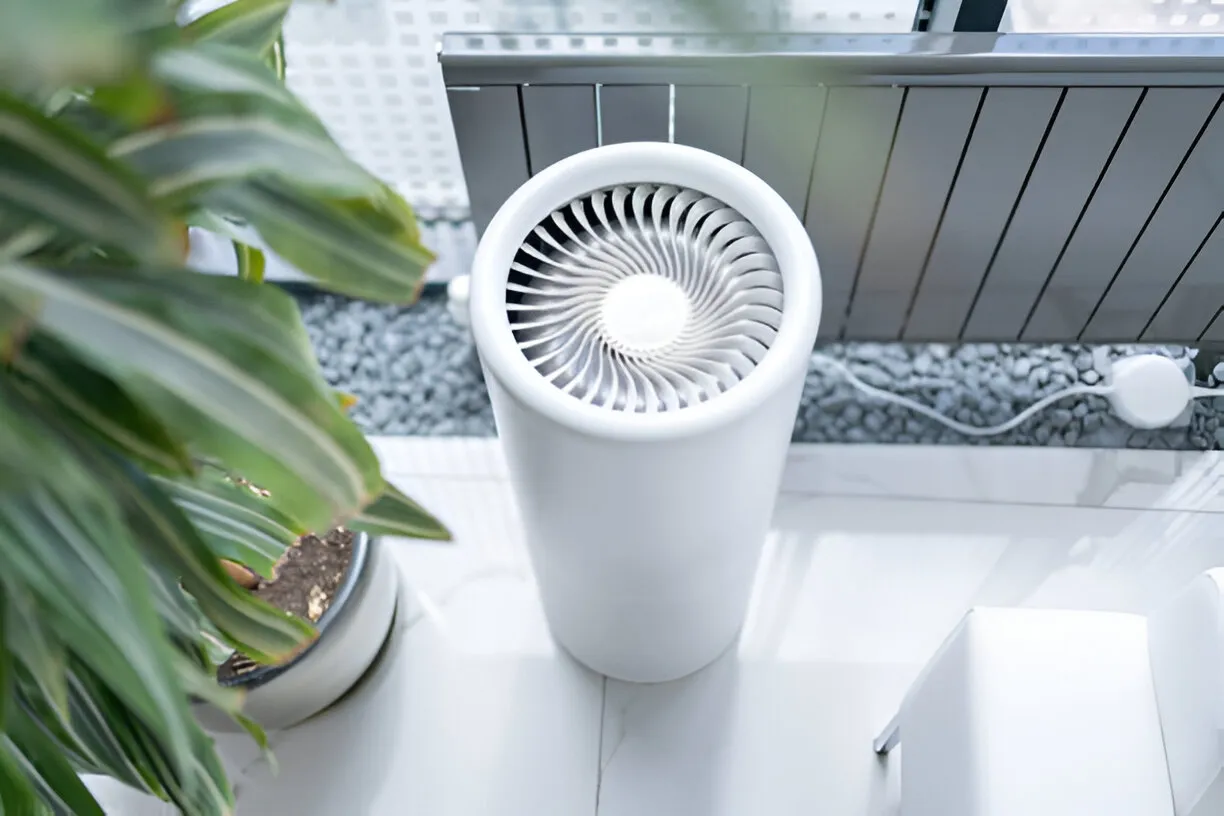
Why whole-house dehumidification matters in Downtown Columbus, OH
- Columbus summers are hot and humid. Indoor relative humidity often climbs above recommended levels, making air feel warmer and encouraging mold growth.
- Downtown building stock includes older rowhouses, converted warehouses, and basement apartments that are prone to persistent moisture.
- Building preservation concerns: high humidity shortens the life of wood floors, trim, drywall, and painted surfaces typical of historic downtown properties.
- Health impacts: controlling humidity to a target range reduces dust mite populations and mold spores, improving indoor air quality for residents with asthma or allergies.
Common whole-house dehumidifier issues in Downtown Columbus
- Persistent basement dampness and musty odors after rain or seasonal groundwater rises.
- High indoor humidity despite AC running - the air conditioner cools but does not remove enough moisture.
- Incompatible drainage or lack of gravity drain in older basements, requiring condensate pumps.
- Overworking small portable units that are noisy and energy-inefficient for whole-home needs.
- Poorly matched dehumidifier size or lack of proper duct integration leading to uneven humidity control.
How whole-house dehumidifiers work with HVAC systems
Whole-house dehumidifiers are designed to work with your central HVAC system so the system removes moisture more effectively than portable units. There are two common configurations:
- Integrated dehumidifier module installed on the air handler: This pulls return air through the dehumidifier coil and returns conditioned air through the existing ductwork, allowing whole-home humidity control with the existing blower.
- Ducted dehumidifier with independent fan: This can be installed in mechanical rooms or attics and connected to supply and return ducts for balanced airflow.
Both types actively condense moisture from indoor air and route condensate to a drain or pump. Controls can be standalone humidistats or integrated into the thermostat for automatic demand-based operation. Proper integration ensures the HVAC system runs efficiently while maintaining a stable setpoint, normally around 45% relative humidity, which balances comfort and preservation.
Sizing guidance for basements and full homes
Correct sizing is critical to performance. Factors to consider:
- Square footage and volume of conditioned space. Basements often have higher moisture loads per square foot.
- Source of moisture: groundwater infiltration, leaky plumbing, or occupant activities (laundry, cooking) change required capacity.
- Insulation and air leakage: poorly insulated or leaky walls increase load.
- Local climate: Downtown Columbus high humidity summers and seasonal swings increase design loads.
General expectations:
- Basements used as finished living space typically need higher-capacity units than a similar-sized above-grade room.
- Whole homes commonly require systems rated for larger daily moisture removal (pints/day) than portable dehumidifiers.
- A professional load calculation or consultation is recommended to determine the appropriate pints/day capacity and delivery location for consistent 40-50% humidity across all levels.
Energy and drainage considerations
- Energy use: Modern whole-house dehumidifiers are more efficient than multiple portable units because they leverage the central air handler and operate to maintain a target setpoint. Look for equipment with high moisture removal efficiency and variable-speed blowers where available.
- Drainage options: Gravity drains to existing floor drains or a condensate line are preferred. In Downtown Columbus basements where gravity drainage is not possible, condensate pumps or routed condensate lines to municipal drains are common.
- Condensate disposal: Consider local code requirements and the potential need for an indirect drain or trap to prevent sewer gas backflow.
- Controls and staging: Pairing dehumidification with HVAC controls ensures the system runs when needed and avoids unnecessary runtime during colder months.
Maintenance tasks to keep systems running reliably
Regular maintenance prevents failures and preserves efficiency:
- Coil cleaning: Dehumidifier and HVAC coils should be inspected and cleaned annually to prevent reduced capacity and microbial growth.
- Filter replacement: Replace or clean intake filters per manufacturer recommendations to maintain airflow.
- Condensate management: Inspect drain lines and condensate pans for clogs, algae, or damage; verify condensate pump operation if installed.
- Humidistat calibration: Check that the humidity sensor reads accurately and maintains the chosen setpoint.
- Seasonal checks: In shoulder months, monitor for over-drying; in summer, verify that the system reaches and holds 40-50% RH.
Health and building-preservation benefits
- Reduces mold and mildew growth risk on walls, ceilings, and in HVAC ducts.
- Limits dust mite populations and associated allergy symptoms.
- Protects wood floors, trim, and furniture from swelling, cupping, and finish failure.
- Stabilizes indoor comfort so air conditioning can focus on cooling, not moisture control, improving perceived comfort without excess cooling.
Typical performance expectations and case examples
- Performance expectations: With proper sizing and installation, most Downtown Columbus homes see indoor relative humidity reduced from elevated levels (above 60%) to the recommended 40-50% range within 24 to 72 hours. Once steady-state is reached, the system cycles to maintain the setpoint, responding to weather and occupant activity.
- Case example 1: A finished basement apartment in a historic downtown townhouse had recurring 65% RH and mold on drywall. Installing a ducted whole-house dehumidifier tied into the air handler and routing condensate to a pump reduced RH to 45% and eliminated musty odors within two days. Ongoing maintenance kept humidity stable through the following summer.
- Case example 2: A three-story masonry condominium experienced high humidity on upper floors in the summer. A properly sized integrated dehumidifier with smart humidistat control maintained 42-48% RH throughout the unit while allowing the AC to run less aggressively, improving comfort and reducing runtime.
Final considerations and maintenance tips
- Target relative humidity of 40-50% for the best balance of comfort, health, and building protection.
- Choose equipment sized and installed by professionals who consider local moisture sources and drainage constraints typical of Downtown Columbus homes.
- Maintain coils, filters, and condensate systems annually to preserve performance and indoor air quality.
- Monitor indoor humidity through the year to ensure the system responds to seasonal changes and occupants’ needs.
Proper whole-house dehumidification protects downtown properties, improves indoor air quality, and extends the life of building materials. When matched to your home's specific layout, moisture sources, and HVAC system, a whole-house dehumidifier delivers consistent, energy-efficient humidity control for Downtown Columbus, OH homes.
Hot Deals & Cool Savings

.webp)
New Service Agreement Membership
.webp)
Any New Client Service
Next Service for Referring a New Client
New Service Agreement Membership
Any New Client Service
Next Service for Referring a New Client
.webp)
.webp)

Service Areas
