
Whole House Air Filtration in Downtown Columbus, OH
Discover Downtown Columbus whole-house filtration options, optimize IAQ, compare filters, and learn tips to improve comfort. Learn more

Whole House Air Filtration in Downtown Columbus, OH
Keeping indoor air clean in Downtown Columbus, OH matters year-round. Urban traffic, seasonal pollen, river valley humidity, and older building stock can combine to elevate dust, pollen, mold spores, pet dander, smoke and urban particulate levels inside homes. A properly designed whole house air filtration system reduces these contaminants throughout your living space by treating air at the HVAC return or within a dedicated filtration cabinet.
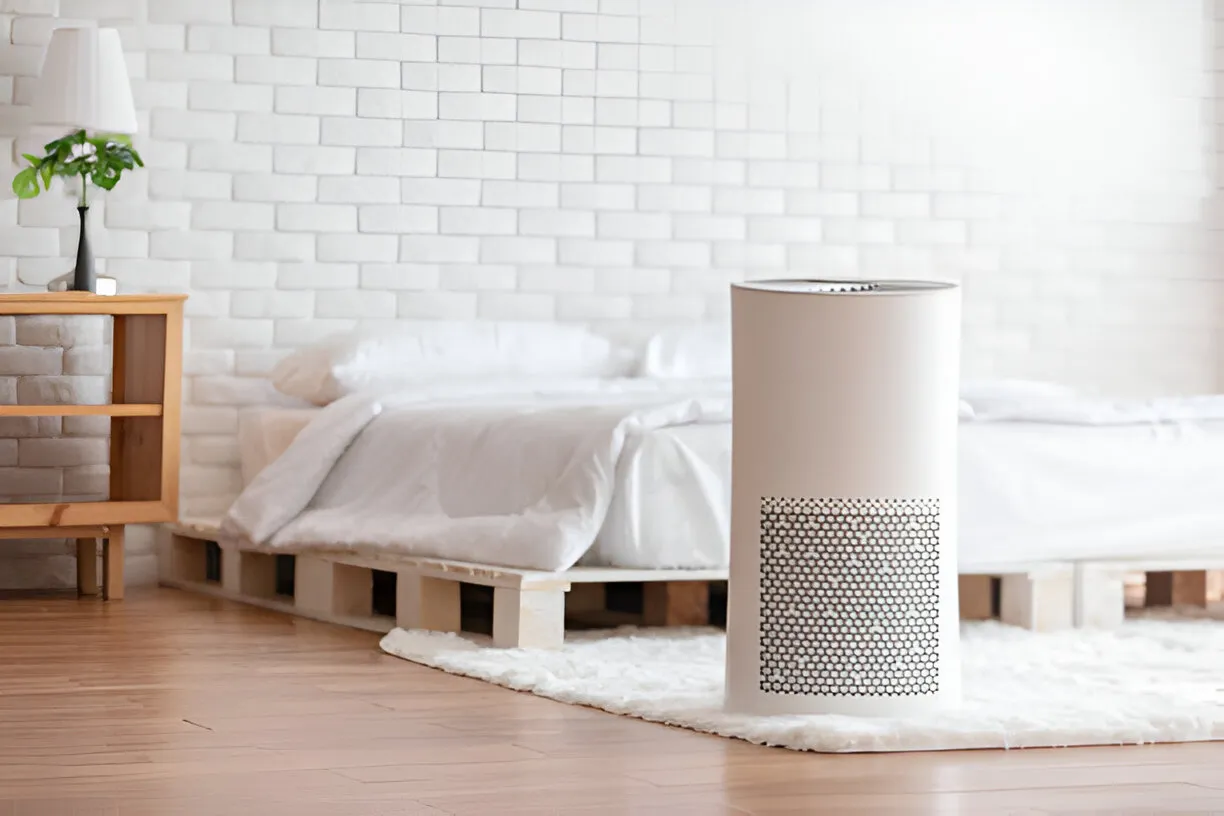
Common indoor air issues in Downtown Columbus homes
- Seasonal pollen and tree pollens in spring and early summer that aggravate allergies.
- Fine particulate matter and diesel/traffic-related pollution in denser downtown corridors.
- Mold and mildew growth risks in basements and older rowhomes due to humid summers and occasional basement water infiltration.
- Household allergens: pet dander, dust mite debris, and cooking or wood smoke.
- Odors and VOCs from cleaning products, paints or renovation work common in older buildings.
Whole-house filtration options and what they remove
- Standard pleated filters (MERV 8–11)
- Good for dust, pollen, and larger particles. Low to moderate resistance to airflow. Best for homes without severe allergy or smoke issues.
- High-MERV pleated filters (MERV 11–13)
- More efficient for smaller particles like fine dust, pet dander and many pollen particles. Often recommended for allergy sufferers because they capture more airborne allergens while still fitting many HVAC systems without major changes.
- Media filters (deep-pleat cartridges or box-style)
- Larger surface area, higher particle-holding capacity and lower pressure drop relative to equivalent efficiency pleated filters. Effective for long-service filtration of fine particles and useful where filter-change frequency should be reduced.
- Electronic filters / electrostatic precipitators
- Use charged plates to remove very fine particles. Washable and can be effective for small particles. Some models produce small amounts of ozone — avoid units that generate ozone if household members have respiratory issues.
- Activated carbon or hybrid media
- Target odors and many gaseous contaminants (VOCs). Most mechanical filters do not remove gases, so carbon media is added where smell or chemical removal matters.
- HEPA-level filtration
- HEPA captures 99.97% of particles at 0.3 microns but typically cannot be installed into standard furnace/air-handler plenums without modifications (sealed housing, altered fan capacity or a dedicated HEPA air handler).
How to choose the right filter for health or allergy concerns
- For general dust and pollen reduction in Downtown Columbus, upgrade from a basic filter to MERV 8–11 pleated filters.
- For persistent allergy, asthma or smoke concerns (seasonal wildfire smoke or heavy traffic pollution), consider MERV 13 or a whole-house media filter rated for fine particles. MERV 13 captures a much higher share of smaller allergenic particles than lower MERV ratings.
- If chemical odors or renovation VOCs are an issue, choose media with activated carbon or add a dedicated carbon stage.
- For immune-compromised households or clinical-level needs, use a properly engineered HEPA solution (standalone HEPA whole-house units or in-duct HEPA with upgraded fan/blower).
- Always match filter choice to your HVAC system capability — a high-efficiency filter that causes excessive pressure drop can reduce comfort and system longevity.
Integration with existing HVAC systems
- Evaluate existing furnace/air handler capacity and the available filter cabinet. Important integration steps include:
- Measuring existing static pressure and verifying the fan motor can handle added resistance.
- Ensuring a proper filter frame and sealed housing to avoid bypass where unfiltered air leaks around the filter.
- Selecting a filter size and type compatible with the return plenum or installing a dedicated media cabinet if higher efficiency is required.
- When moving to HEPA-level filtration, plan for a dedicated blower or an upgraded ECM variable-speed blower to maintain airflow without overworking the system.
- Professional assessment is recommended to confirm compatibility, measure airflow impact, and avoid reduced system performance.
Maintenance intervals and relative costs
- Standard pleated filters: replace every 1–3 months depending on family size, pets and pollution levels. Low initial cost, higher frequency.
- High-MERV pleated: typically 3–6 months, moderate initial cost and moderate recurring cost.
- Media filters: 6–12 months between changes depending on loading; higher initial cost but lower frequency and good long-term value for busy households.
- Electronic/electrostatic: washable components. Clean every 3–6 months; periodic professional service recommended.
- Activated carbon stages: often require replacement every 6–12 months depending on VOC load.
- Consider lifecycle cost: higher-efficiency filters cost more up front but reduce airborne load longer and can reduce housekeeping and allergy medication needs. However, very high-efficiency filters may increase fan run time or require blower upgrades that change energy use.
Measurable indoor air quality improvements and energy trade-offs
- Upgrading filtration produces measurable reductions in airborne particulate levels (PM10 and PM2.5), leading to fewer allergy triggers, reduced dust settling and improved overall comfort. In many cases, moving from a low-efficiency filter to a high-MERV or media filter reduces airborne particulates substantially; results depend on home tightness, source control and HVAC runtime.
- Energy trade-offs: higher-efficiency filters typically increase air-handler resistance. That can:
- Slightly raise fan energy use if the blower runs longer or at higher capacity.
- Reduce HVAC performance if static pressure is not addressed, potentially shortening equipment life or increasing heating/cooling runtime.
- Be mitigated by installing media filters (which often present lower pressure drop per unit of efficiency) or upgrading to an ECM variable-speed blower to maintain airflow efficiently.
- To quantify success, use IAQ measurements: before/after PM2.5 readings, particle counts, and subjective symptom tracking (less sneezing, reduced dust) provide clear evidence of improvement.
Hot Deals & Cool Savings

.webp)
New Service Agreement Membership
.webp)
Any New Client Service
Next Service for Referring a New Client
New Service Agreement Membership
Any New Client Service
Next Service for Referring a New Client
.webp)
.webp)

Service Areas
