
Whole House Air Purifiers in Downtown Columbus, OH
Downtown Columbus Whole-Home Air Purifiers: learn about sizing, installation, and maintenance for HEPA, carbon, and UV options. Learn more.

Whole House Air Purifiers in Downtown Columbus, OH
Choosing the right whole house air purifier for Downtown Columbus, OH means addressing urban pollution, seasonal pollen, and the indoor air build-up that comes when windows stay closed through cold winters and humid summers. Whole-house systems - either in-line/duct-mounted units or whole-system solutions integrated at the air handler - remove allergens, smoke, VOCs, and fine particles across every room, protecting occupants consistently rather than relying on portable units.
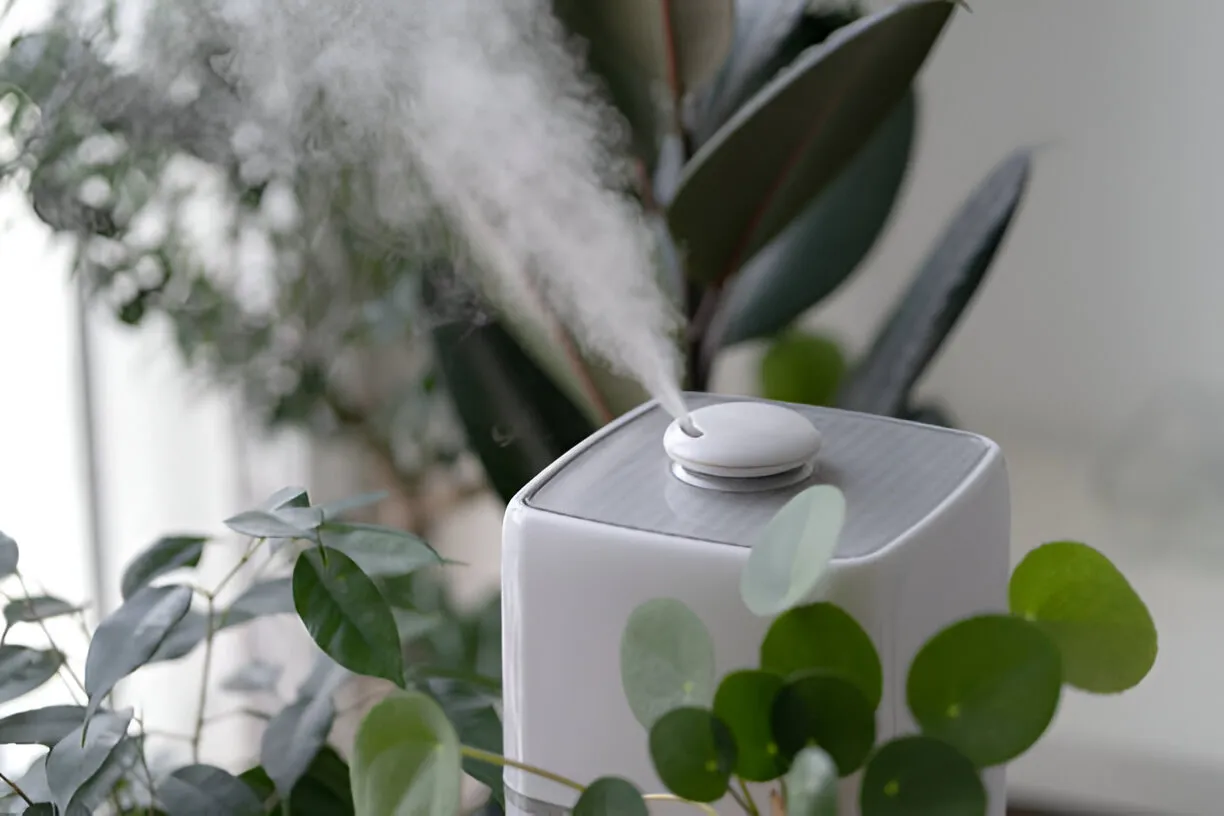
Common whole house air purifier types and why they matter in Downtown Columbus
- In-line / duct-mounted purifiers - Installed in the return or supply ducts, these treat air centrally and work with the home’s HVAC fan. Best for consistent whole-home coverage in single-family homes and larger condos.
- Whole-system solutions at the air handler - Installed directly in the air handler cabinet for maximum contact time with the filter/technology. Ideal where space and duct configuration allow.
- Technology options
- HEPA filtration - Captures 99.97% of particles down to 0.3 microns, effective for pollen, pet dander, and fine dust (PM2.5) common during spring and construction activity in downtown areas.
- Activated carbon - Adsorbs VOCs, traffic and cooking odors, and smoke odors that are more noticeable in dense urban neighborhoods and near busy streets.
- UV germicidal light - Reduces microbial growth on coils and in airstreams, useful where humidity and seasonal mold spore levels rise.
- Electrostatic precipitators - Use charged plates to trap particles; can be effective for fine particulates but require regular cleaning and careful specification to avoid ozone issues.
Common whole house air purifier issues in Downtown Columbus
- Reduced airflow and higher static pressure when a system is oversized or uses a very high-efficiency filter without compensating fan capacity.
- Shorter filter life in urban cores due to higher particulate and soot loading from traffic and nearby construction.
- Ozone generation from poorly designed electrostatic systems - legitimate concern but avoidable with properly specified units.
- Improper integration that bypasses the air handler or places the purifier in a location with limited airflow, reducing effectiveness.
- Neglected maintenance causing microbial growth on filters or UV surfaces, which reduces performance and may create odors.
How we determine sizing and the installation process
Sizing a whole-house purifier is about airflow (CFM) and targeted air changes per hour (ACH), not just square footage:
- Calculate house volume: square footage x ceiling height. Example: a 2,000 sq ft condo with 8 ft ceilings = 16,000 cubic feet.
- Choose target ACH based on needs:
- General improvement: 1-2 ACH
- Allergy control: 2-4 ACH
- Smoke/strong odor removal: 4-6 ACH
- Convert ACH to CFM: CFM = (Volume x ACH) / 60. For the example above at 4 ACH = (16,000 x 4) / 60 ≈ 1,067 CFM.
- Final selection also considers HVAC fan capacity, allowable static pressure, and whether a dedicated purifier fan is needed.
Typical installation steps:
- Assessment - Inspect existing HVAC, duct layout, and lifestyle factors (smoking, pets, renovation activity).
- System selection and sizing - Choose the technology mix (HEPA + carbon + optional UV) and determine required CFM and filter sizes.
- Physical installation - Mounting the unit at the air handler or in return/supply duct; ensuring seals and access for maintenance.
- Commissioning - Measure static pressure, verify airflow, and confirm the purifier does not unbalance the HVAC system.
- Documentation - Provide maintenance schedule and filter replacement plan tailored to local pollutant load.
Maintenance schedules, monitoring, and filter replacement
Maintenance frequency in Downtown Columbus will typically be higher than rural areas because of urban pollutants. General guidelines:
- HEPA filters - Replace or service every 6-12 months depending on pollutant loading. Homes with heavy pollen, pet dander, or nearby traffic may need replacement closer to 6 months.
- Activated carbon cartridges - Replace every 3-12 months; frequent cooking, smoke exposure, or strong VOC sources require more frequent swaps.
- UV lamps - Replace annually; effectiveness declines even if the lamp still lights.
- Electrostatic collectors - Remove and clean monthly to quarterly; inspect for damage and ensure non-ozone-generating design.
- System checks - Annual professional inspection to verify airflow, static pressure, and control operation. Check seals and duct connections for leaks that degrade overall effectiveness.
Tip: look for systems with filter status indicators or static pressure monitoring that alert you when filters need service. Regular maintenance not only preserves performance but extends HVAC life by reducing dust on coils and moving parts.
Energy considerations and operational impact
Whole-house filtration affects energy in two main ways:
- Increased fan energy - Tighter filters and additional equipment increase static pressure. Expect a potential increase in blower energy use (commonly 5-15% with high-MERV filters) unless the system uses a dedicated fan or a variable-speed ECM blower that compensates efficiently.
- Accessory power draw - Inline fans or UV lamps add wattage (UV lamps are typically low-wattage; dedicated purifier fans vary by model). Properly sized systems minimize unnecessary energy draw.
Strategies to limit energy impact:
- Use variable-speed ECM blowers where possible.
- Choose systems with low pressure drop designs or dedicated fans sized specifically for the selected filters.
- Balance filtration level with practical maintenance - extremely high filtration with neglected replacement will cost more and perform worse.
Health and comfort benefits specific to Downtown Columbus
- Reduced allergy and asthma triggers - Lower pollen, pet dander, and particulate matter during spring and fall improve breathing and sleep for residents with sensitivities.
- Cleaner indoor air during winter - With windows closed, pollutants concentrate indoors; whole-house systems continually clean recirculated air.
- Improved odor and VOC control - Activated carbon reduces city traffic exhaust, restaurant and cooking smells common in downtown condos and rowhouses.
- Protection during smoke events - Systems sized for higher ACH help lower indoor PM2.5 during regional wildfire smoke or nearby fires.
- Less dust and better HVAC efficiency - Cleaner ducts and coils lead to more consistent heating and cooling and fewer service calls over time.
Whole house air purifiers in Downtown Columbus, OH are a practical, long-term investment in occupant health and home comfort. Proper selection, professional integration with existing HVAC, and a disciplined maintenance routine tailored to urban pollutant loads deliver consistent indoor air quality improvements that portable units alone cannot match.
Hot Deals & Cool Savings

.webp)
New Service Agreement Membership
.webp)
Any New Client Service
Next Service for Referring a New Client
New Service Agreement Membership
Any New Client Service
Next Service for Referring a New Client
.webp)
.webp)

Service Areas
