
Whole House Air Filtration in Brice, OH
Whole-house air filtration in Brice, OH improves indoor air quality. Learn types, sizing, maintenance, and how it integrates with your HVAC.

Whole House Air Filtration in Brice, OH
Keeping indoor air clean in Brice, OH matters year round. Seasonal tree and grass pollen in spring, ragweed and weed pollen in late summer, humid summers that encourage mold growth, and cold winters that drive long heating cycles all contribute to indoor airborne particles and allergens. Whole house air filtration connects to your furnace or air handler to reduce dust, pollen, pet dander, smoke, and fine particulates throughout your home.
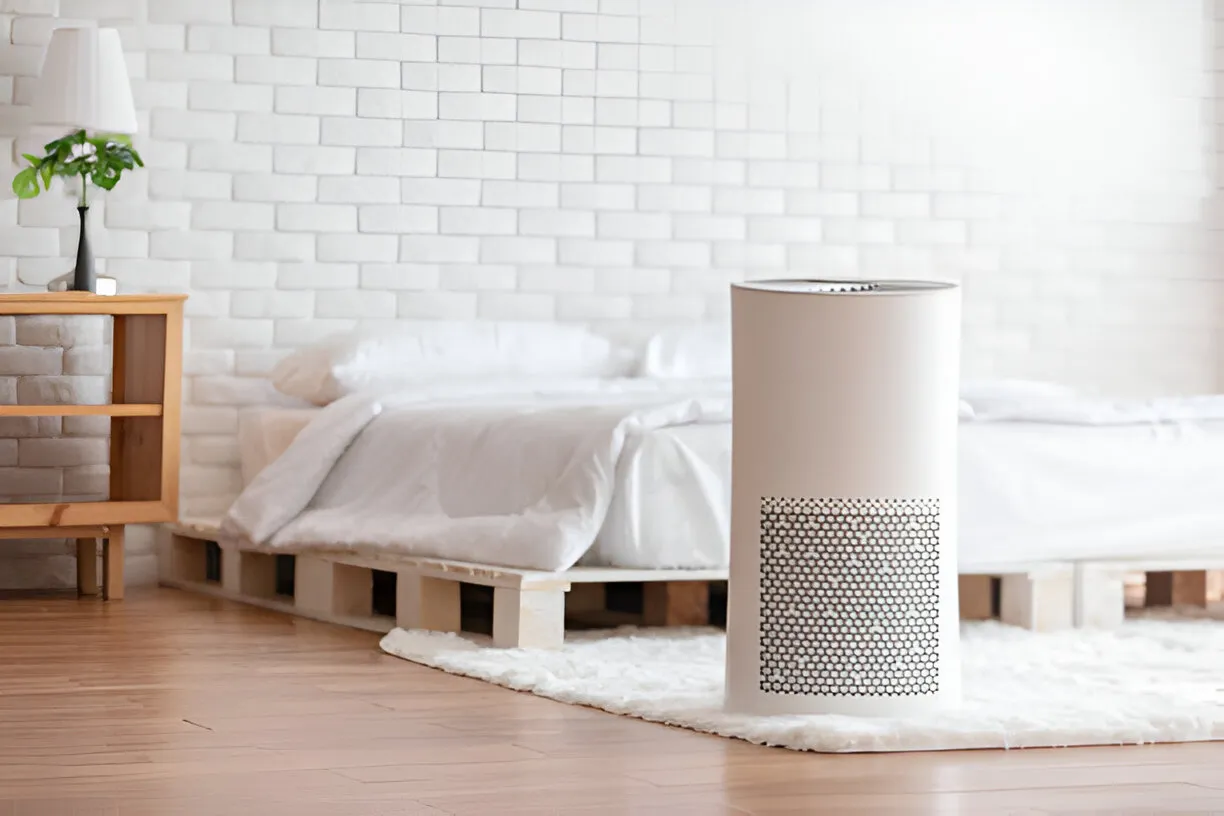
Common whole-house filtration types and how they work
Different filtration technologies serve different goals. Understanding each helps match the system to your home’s needs.
- Media filters (pleated): High surface area cloth or paper media in a cabinet. Effective for dust, pollen, pet dander. Available in higher MERV ratings for better particle capture.
- High-MERV disposable panel or box filters: Designed to capture smaller particles. Higher MERV ratings (13–16) trap more particulates but can increase airflow resistance if the HVAC fan is not sized for them.
- Electronic air cleaners (electrostatic precipitators): Charge particles and collect them on plates. Good for fine particles and smoke; plates must be cleaned regularly.
- Whole-house HEPA systems: HEPA captures 99.97% of particles 0.3 microns and larger when installed in a dedicated cabinet with appropriate bypass and fan considerations. True whole-house HEPA requires a properly designed housing to avoid excessive pressure drop.
- Carbon/gas-phase filters: Contain activated carbon to reduce VOCs, odors, and some gaseous pollutants. Often used in combination with particle filters.
Filtration efficiency: MERV vs HEPA and what it means for your home
- MERV (Minimum Efficiency Reporting Value) rates capture efficiency across particle sizes. Typical ranges:
- MERV 6–8: Basic filtration for larger particles (dust, lint)
- MERV 9–12: Better at pollen, dust mite debris, pet dander
- MERV 13–16: Approaches HEPA-level particle removal for many indoor allergens
- HEPA (High Efficiency Particulate Air): Captures 99.97% of 0.3-micron particles and smaller/larger particles effectively; used when the highest particle reduction is required.
- Tradeoffs: Higher MERV or HEPA increases resistance to airflow (static pressure). If your furnace or air handler isn’t compensated, you may see reduced airflow, less efficient heating/cooling, or accelerated wear on the blower. Proper sizing and often a dedicated filtration cabinet or upgraded fan are needed for high-MERV or HEPA solutions.
How filters are sized and installed in HVAC systems
- Placement: Whole-house filters are installed in the return-air plenum or in a dedicated filter cabinet adjacent to the air handler. Optimal placement ensures all return air passes through the filter before entering the blower.
- Sizing: Filters and media cabinets are matched to airflow (CFM) and existing duct dimensions. Technicians calculate static pressure impact and select filter size (thickness and surface area) that maintains system performance.
- Retrofit options: Many homes can retrofit a media cabinet or install a drop-in high-MERV panel. For true HEPA, a bypass cabinet with an appropriately sized fan or an air handler replacement may be required.
- Electrical/controls: Electronic cleaners and active systems require wiring and accessible cleaning/servicing access. Installation should include sealing of cabinet and duct connections to prevent bypass leakage.
Benefits for allergy, contaminant reduction, and overall health
- Reduces pollen, pet dander, and dust mite debris that trigger allergies and asthma episodes.
- Captures fine particles from vehicle exhaust, wood smoke, and seasonal wildfire drift, improving respiratory health.
- Carbon filters reduce odors and common household VOCs from paints, cleaners, and cooking.
- Electronic cleaners and high-MERV/HEPA combinations remove very fine particles that contribute to chronic respiratory irritation.
- Lower particulate load extends HVAC equipment life by keeping coils and sensors cleaner.
Recommended replacement schedules and maintenance procedures
- Standard pleated disposable filters: Check monthly; replace every 1–3 months depending on loading (seasonal pollen or pets may shorten intervals).
- High-MERV media in cabinet: Inspect quarterly; many systems require replacement every 6–12 months depending on pleat depth and household conditions.
- Electronic air cleaners: Clean collector plates every 1–3 months; replace prefilters as recommended.
- Carbon filters: Replace or recharge every 6–12 months depending on odor/VOC levels.
- HEPA housings: Follow manufacturer schedule; prefilters typically require more frequent changes to protect the HEPA element.
- Annual professional inspection: Verify static pressure, blower performance, duct seals, and filter seating to ensure efficiency and avoid equipment strain.
Compatibility with existing equipment and performance considerations
- Blower capacity and static pressure: Before upgrading to a high-MERV or HEPA system, measure your system’s capacity. Some furnaces or air handlers require an upgraded blower motor (ECM) to maintain airflow.
- Warranty and manufacturer guidance: Check HVAC equipment manufacturer limits on filter resistance; many warranties advise against filters above a certain MERV without system modification.
- Ductwork and sealing: Proper installation includes sealing cabinet joints and return ducts to prevent bypass and loss of effectiveness.
- Supplemental options: Whole-house filtration pairs well with ventilation strategies (ERV/HRV) and humidity control, improving overall indoor air quality and comfort.
Common whole-house air filtration issues in Brice, OH and practical solutions
- Spring and early summer pollen: Brice experiences high tree and grass pollen loads. Use MERV 9–13 filters during peak seasons and increase replacement frequency.
- Humidity and mold in summer: Central Ohio humidity can promote mold growth on filters. Install prefilters, maintain HVAC drain and coil cleanliness, and consider a whole-house dehumidifier if persistent dampness occurs.
- Winter sealed-home indoor contaminants: With homes sealed against cold, VOCs and indoor particles concentrate. Combine particle filtration with carbon filtration and seasonal ventilation strategies.
- Smoke events: During occasional regional wildfire smoke or local burning, switch to higher-efficiency filtration temporarily and monitor filter loading more frequently.
Local maintenance rhythm for Brice homeowners
- Early spring: Install or upgrade to a higher-MERV filter for pollen season; check seals after winter.
- Summer: Inspect for moisture-related issues and clean electronic cleaner plates or prefilters monthly.
- Fall: Replace filters before heavy heating season when windows stay closed and indoor sources accumulate.
- Winter: Monitor airflow and heat exchange efficiency; ensure filters are not overly restricting the system and clean or replace as needed.
Whole house air filtration in Brice, OH can dramatically reduce allergens, fine particles, smoke, and household odors when systems are correctly selected, sized, and maintained. Choosing the right balance of filtration efficiency and HVAC compatibility protects equipment performance while delivering the clean indoor air your household needs, season after season.
Hot Deals & Cool Savings

.webp)
New Service Agreement Membership
.webp)
Any New Client Service
Next Service for Referring a New Client
New Service Agreement Membership
Any New Client Service
Next Service for Referring a New Client
.webp)
.webp)

Service Areas
