
Ventilation in Brice, OH
Ventilation options in Brice, OH, including HRV and ERV systems, improve humidity control and energy efficiency. Learn more and schedule installation.

Ventilation in Brice, OH
Proper home ventilation in Brice, OH is one of the most cost effective ways to protect indoor air quality, reduce humidity problems, and prevent long term building damage. Brice homes face a mixed-humid climate: hot, humid summers that promote mold and dust mite growth, cool winters that drive homes to be tightly sealed for energy savings, and spring pollen that brings seasonal allergy stress. That combination makes selecting the right residential ventilation system an important decision for comfort, health, and energy performance.
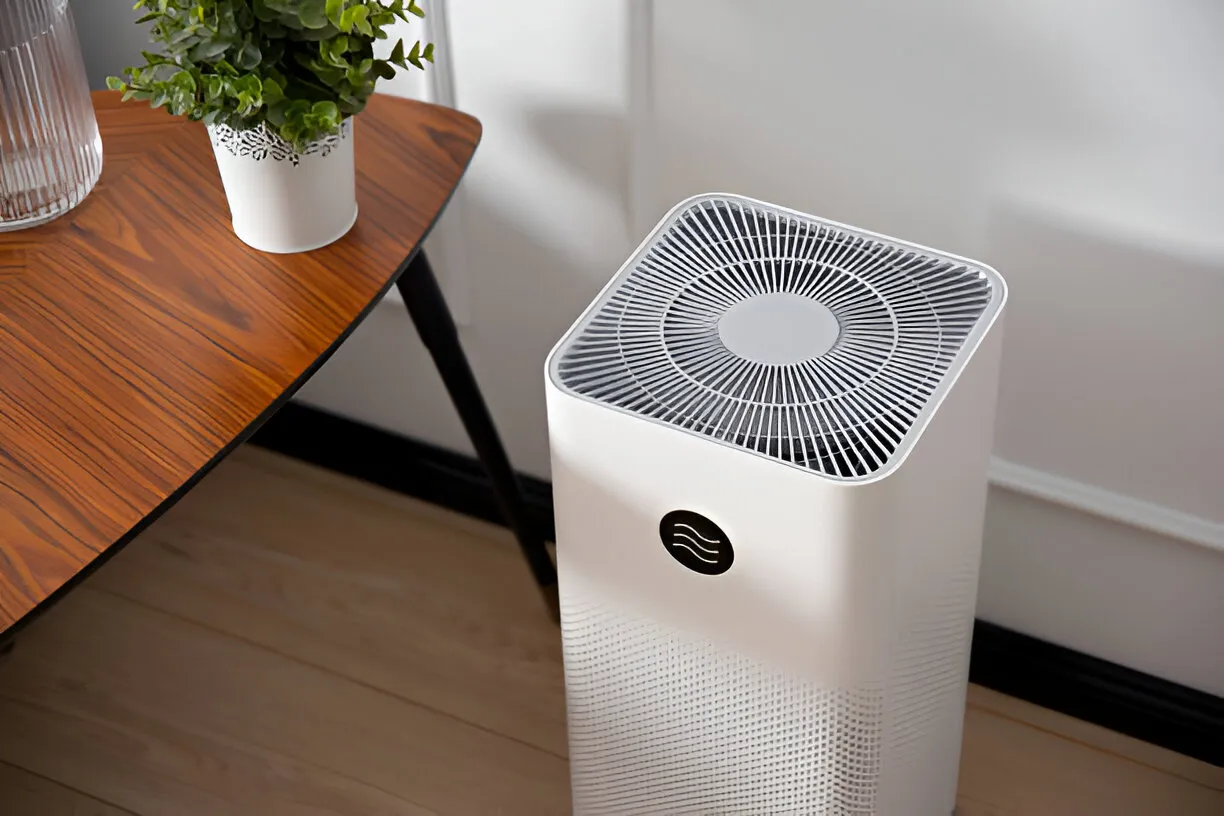
Common residential ventilation options and when they fit
Understanding the main system types helps you match performance to your home and lifestyle.
- Exhaust fans (local and whole-house)
- What they do: remove indoor air and depressurize the house, drawing makeup air from outdoors through leaks and intentional vents.
- Best for: simple moisture control in older, leakier homes or targeted rooms like kitchens and bathrooms.
- Limitations: makeup air is uncontrolled and may bring contaminants or cold air in winter.
- Supply fans
- What they do: push filtered outdoor air into the home, creating positive pressure and forcing stale air out.
- Best for: homes with known sources of outdoor pollution low risk and where filtration is prioritized.
- Limitations: can pressurize attached garages or combustion appliance zones without careful planning.
- Balanced systems
- What they do: provide equal amounts of supply and exhaust air for controlled ventilation without major pressure shifts.
- Best for: more airtight, energy-conscious homes where consistent fresh air and indoor pressure control are priorities.
- Limitations: higher initial cost and installation complexity.
- HRV (Heat Recovery Ventilator)
- What they do: transfer heat between outgoing and incoming air to conserve energy in cold conditions while ventilating.
- Best for: colder months or homes with higher heating loads. In Brice winters, HRVs reduce ventilation heating costs.
- Limitations: does not transfer moisture, so it can dry indoor air in winter.
- ERV (Energy Recovery Ventilator)
- What they do: transfer both heat and some moisture between airstreams, moderating incoming humidity.
- Best for: Brice’s mixed-humid climate where summer humidity control matters and condensation risk exists. ERVs limit the amount of moisture imported during humid months.
- Limitations: slightly less heat exchange efficiency than HRVs in the coldest conditions, but better year-round humidity control.
How ventilation controls humidity and removes pollutants
Ventilation is the primary method for removing indoor-generated pollutants and balancing moisture. Common indoor sources in Brice homes include cooking, showering, indoor plants, pet dander, cleaning products, and off gassing from building materials and furnishings. Uncontrolled humidity leads to mold growth and wood rot; in the summer, high indoor moisture increases perceived temperature and allergen activity.
A properly sized ventilation system:
- Dilutes and removes volatile organic compounds (VOCs) and odors.
- Exchanges stale indoor air that contains carbon dioxide and bioeffluents.
- Controls moisture levels to reduce mold and condensation on windows and cold surfaces.
- Can be paired with filtration to reduce pollen and fine particles entering the home.
Code and indoor air quality considerations
Local building departments and industry guidance require or recommend ventilation rates based on home size and occupancy. Many professionals use standards like ASHRAE 62.2 or the ventilation provisions in the International Residential Code as design benchmarks. Combustion safety matters: any ventilation strategy must preserve adequate combustion air for gas appliances and avoid creating backdrafting conditions.
Choosing the right type for your Brice home
Make the selection based on building tightness, existing HVAC, moisture concerns, and budget. Use this checklist:
- Home airtightness: tight homes perform best with balanced systems (HRV/ERV). Leaky homes may see benefit from targeted exhaust fans but may also gain from sealing and then adding balanced ventilation.
- Primary concern: moisture control points toward ERV in Brice; cold-climate heating efficiency points toward HRV if winter heating is the priority.
- Allergies or high outdoor pollen: choose systems with good filtration and positive supply or balanced ventilation rather than crude exhaust-only approaches.
- Existing HVAC compatibility: many ERV/HRV units integrate with furnace or ducted systems; stand-alone units work for ducted renovation projects.
- Presence of combustion appliances or radon concerns: include pressure management strategies and radon testing data in the design.
Typical installation steps and what to expect
Installation involves planning, measured work, and verification.
- Assessment and sizing: measure home volume, assess leakage, and determine target ventilation rate based on occupancy and code.
- System selection and layout: choose exhaust, supply, balanced, HRV, or ERV and design duct runs and intake/exhaust locations to avoid contaminants and noise issues.
- Ducting and mechanical installation: route insulated ducts, install intake/exhaust hoods with proper backdraft and insect protection, and mount the main unit in a conditioned or semi-conditioned space.
- Controls and integration: set up timers, humidistat/dehumidistat coordination, or demand control ventilation tied to CO2 or humidity sensors as needed.
- Commissioning and testing: measure airflow, balance supply and exhaust, verify pressures around combustion appliances, and test filtration and condensate management.
- Inspection and documentation: ensure compliance with local code requirements and leave a clear user guide for operation and maintenance.
Energy and efficiency trade-offs
Ventilation moves air and therefore energy. Key trade-offs include:
- Heat recovery efficiency: HRVs and ERVs reclaim a significant portion of heating or cooling energy, reducing operational cost compared with uncompensated ventilation.
- ERV vs HRV: ERVs reduce moisture transfer, helping summer comfort and reducing AC load in Brice; HRVs provide slightly better heat recovery in the coldest periods.
- Fan energy: efficient ECM fans and smart controls reduce continuous fan energy use. Consider setback or demand-control strategies that modulate ventilation based on occupancy or indoor air sensors.
- Filtration and pressure: adding high-MERV filtration increases resistance and fan energy; design the system to handle the filter without losing required flow.
Maintenance tips to ensure continuous fresh-air delivery
Regular maintenance keeps performance and indoor air quality consistent.
- Replace or clean filters every 3 to 6 months depending on filter type and seasonal pollen loads.
- Clean intake and exhaust hoods annually and remove debris or insect nests.
- Inspect and clean heat/energy exchange cores yearly; vacuum or wash according to manufacturer instructions.
- Check condensate drains and pans for clogs, especially in warm, humid months.
- Verify fan operation and airflow balance annually; look for unusual noises or vibration.
- Monitor indoor humidity and CO2 levels to confirm the system is achieving design goals.
Hot Deals & Cool Savings

.webp)
New Service Agreement Membership
.webp)
Any New Client Service
Next Service for Referring a New Client
New Service Agreement Membership
Any New Client Service
Next Service for Referring a New Client
.webp)
.webp)

Service Areas
