
IAQ Products in Brice, OH
IAQ products for Brice, OH address allergens, humidity, and odors with installation guidance and maintenance tips. Learn more today.

IAQ Products in Brice, OH
Indoor air quality matters in Brice, OH. Seasonal pollen, humid summers, and cold, dry winters all affect how comfortable and healthy your home feels. This page outlines IAQ products you can use to reduce allergens, control humidity, remove odors, and protect household air for people with asthma, allergies, or other sensitivities.
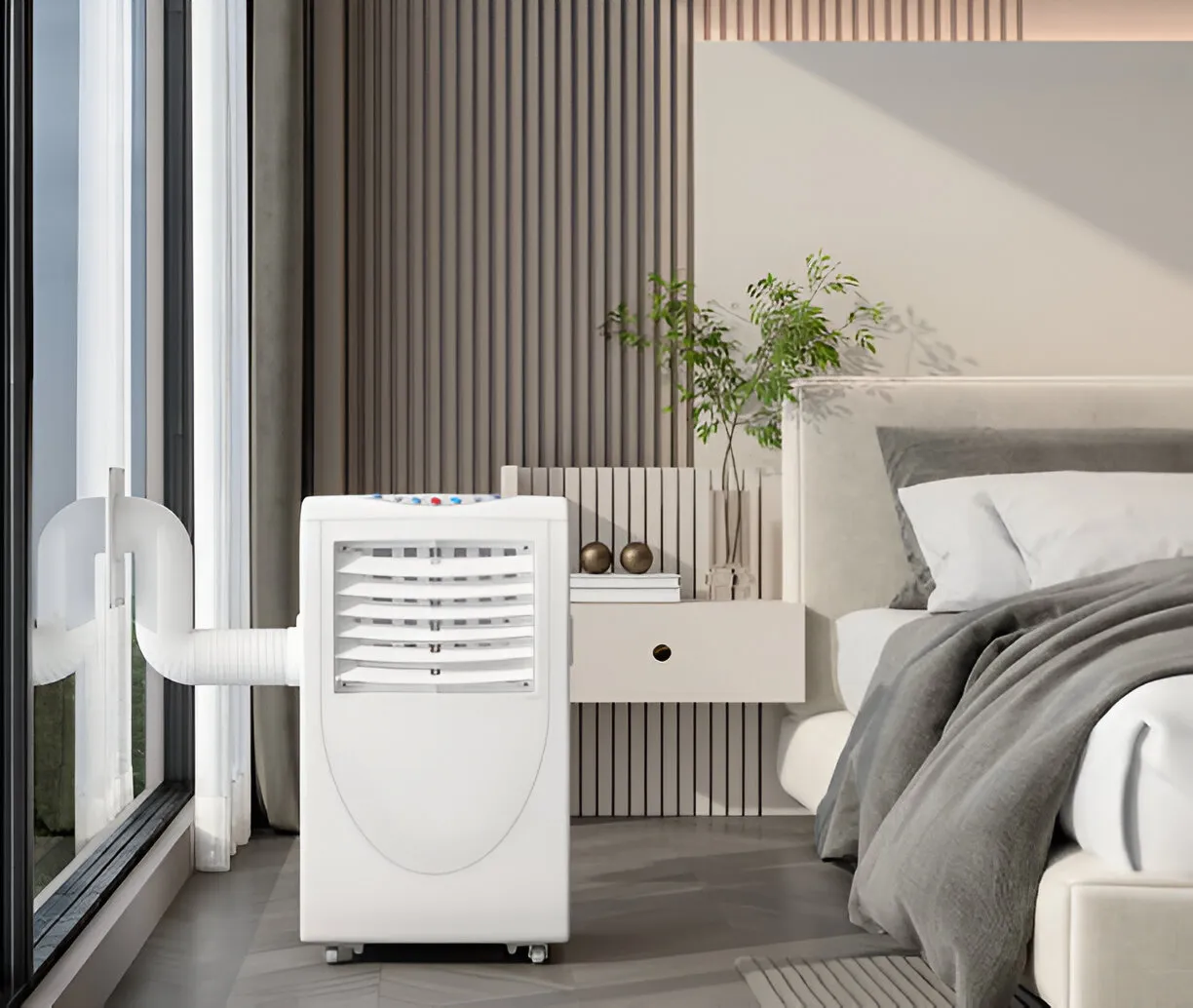
Common indoor air quality issues in Brice, OH homes
- Seasonal pollen and tree pollen in spring that aggravates allergies.
- High indoor humidity in summer, which increases dust mite and mold growth.
- Low indoor humidity in winter, leading to dry skin and irritated respiratory passages.
- Pet dander, dust, and household odors in single-family and older homes.
- Inadequate ventilation in tightly sealed or renovated homes, concentrating pollutants.
Understanding which of these problems affects your home is the first step to selecting effective IAQ products in Brice, OH.
IAQ product types and how they help
Air purifiers
- Best for: rooms or open-plan spaces where particles and odors are the primary concern.
- How they work: HEPA filtration captures 99.97 percent of particles down to 0.3 microns; activated carbon stages reduce VOCs and odors.
- Benefits: Reduces allergens, smoke, and fine dust; useful for allergy and asthma sufferers.
- Ideal for: Apartments, bedrooms, and living rooms; choose a unit sized to room square footage and Clean Air Delivery Rate (CADR).
Whole-house filters and high-efficiency HVAC filters
- Best for: Homes with central heating and cooling systems that need consistent particle reduction throughout the house.
- How they work: MERV-rated filters trap airborne particles as air circulates through HVAC ducts.
- Benefits: Continuous removal of dust, pollen, and larger particles; improves HVAC performance when maintained properly.
- Ideal for: Single-family homes in Brice with existing forced-air systems; consider higher MERV ratings for allergy concerns but confirm compatibility with your HVAC fan.
Humidifiers
- Best for: Winter months when cold, dry air causes discomfort and increases susceptibility to respiratory infections.
- How they work: Adds moisture to circulating air either via whole-house humidifiers integrated into the HVAC system or portable room units.
- Benefits: Reduces dry skin, sore throats, and static electricity; supports comfort for occupants sensitive to dryness.
- Ideal for: Homes with low indoor humidity in winter. Whole-house humidifiers are preferred for consistent levels across larger homes.
Dehumidifiers
- Best for: Basements, crawl spaces, or whole-house use in humid summer months.
- How they work: Extracts excess moisture to lower indoor relative humidity, inhibiting mold and dust mites.
- Benefits: Limits mold growth and musty odors; protects stored items and building materials.
- Ideal for: Brice homes with damp basements or elevated summer humidity. Size unit to the square footage and moisture load.
UV and UV-C systems
- Best for: Supplemental disinfection inside HVAC systems or near ventilated areas where microbial control is needed.
- How they work: Ultraviolet light inactivates bacteria, mold spores, and some viruses on coil surfaces and downstream air.
- Benefits: Reduces microbial growth inside HVAC equipment, improving system efficiency and lowering biological contaminants.
- Ideal for: Homes with recurrent mold on coils, or where enhanced microbial control is desired. Understand safety and placement requirements.
Ventilation accessories
- Best for: Homes that need balanced fresh air exchange without losing energy.
- Products: Energy recovery ventilators (ERVs), heat recovery ventilators (HRVs), and duct booster fans.
- Benefits: Reduces indoor pollutant buildup, controls humidity transfer, and maintains comfortable ventilation rates.
- Ideal for: Newer, tightly sealed homes in Brice that require controlled fresh air intake.
Choosing the right solution for your home and concerns
- Allergies or asthma: Prioritize HEPA air purifiers for bedrooms and whole-house high-efficiency filters. Consider UV in HVAC for microbial control.
- Odors and VOCs: Use activated carbon stages in air purifiers and ensure good ventilation; an ERV can exchange stale indoor air with fresh outdoor air.
- Mold or dampness: Combine dehumidification with ventilation and, if needed, UV on HVAC coils to limit regrowth.
- Large home vs small home: Whole-house filters and whole-home humidifiers/dehumidifiers work best for larger homes. Portable units and room-specific air purifiers suit smaller homes or targeted problem areas.
Installation options and what to expect
- DIY installs: Simple portable air purifiers and many room humidifiers/dehumidifiers are plug-and-play. Replacing standard HVAC filters is typically a homeowner task.
- Professional installation: Whole-house filters, in-duct humidifiers/dehumidifiers, ERVs/HRVs, and UV systems require professional sizing and installation to ensure system compatibility and optimal performance.
- Sizing and placement: Proper sizing by square footage and occupancy is crucial. For whole-house systems, professionals evaluate HVAC capacity and duct layout to prevent airflow problems.
Maintenance and filter replacement schedules
- Portable HEPA air purifiers: Check pre-filters monthly; replace HEPA and carbon filters according to manufacturer guidance, commonly every 6 to 12 months depending on use and pollution levels.
- Whole-house HVAC filters: Replace or clean filters every 1 to 3 months. Higher MERV filters may need more frequent replacement if airflow is impacted.
- Humidifiers: Clean reservoirs monthly during use and descale as recommended. Replace wicks or pads seasonally for evaporative models.
- Dehumidifiers: Empty and clean collection buckets weekly for small units; whole-home dehumidifiers require annual service and periodic coil cleaning.
- UV systems: Replace lamps typically every 9 to 12 months to maintain germicidal output and schedule annual checks on ballast and mounting.
- Ventilation systems: ERV/HRV core cleaning generally twice a year and filter replacement every 3 to 6 months.
Regular maintenance preserves performance, extends equipment life, and maintains warranty coverage.
Warranties and financing expectations
- Warranties: Most IAQ products include manufacturer warranties that vary by item type. Expect limited part warranties of 1 to 5 years on portable units and longer coverage on certain components for whole-house systems. Keep proof of professional installation and maintenance records to support warranty claims.
- Financing: Many dealers and installers offer financing options for larger whole-home systems to spread cost over time. Typical programs include fixed monthly payments and terms tailored to equipment type. Review financing terms, warranties, and maintenance requirements before committing.
Final considerations for Brice homeowners
Selecting the right IAQ products in Brice, OH means matching equipment to your specific indoor concerns, local seasonal patterns, and home layout. In humid summers, prioritize dehumidification and mold prevention. In dry winters, ensure adequate humidification without creating excess moisture. For allergy and asthma control, combine whole-house filtration with targeted HEPA purifiers in bedrooms. Regular maintenance, timely filter replacements, and proper sizing are the most reliable ways to keep indoor air healthy and comfortable year round.
Hot Deals & Cool Savings

.webp)
New Service Agreement Membership
.webp)
Any New Client Service
Next Service for Referring a New Client
New Service Agreement Membership
Any New Client Service
Next Service for Referring a New Client
.webp)
.webp)

Service Areas
