
Whole House Air Purifiers in Brice, OH
Whole-house air purifier installation in Brice, OH improves indoor air by capturing particles and odors. Learn more and schedule today.

Whole House Air Purifiers in Brice, OH
Clean indoor air matters in Brice, OH. With humid summers, cold winters, seasonal tree pollen, and regional dust from nearby agricultural areas, many homes struggle with allergens, odors, and intermittent outdoor smoke. A whole house air purifier integrated with your existing HVAC system treats the air throughout your living space, reducing allergens, particles, odors, and some biological contaminants.
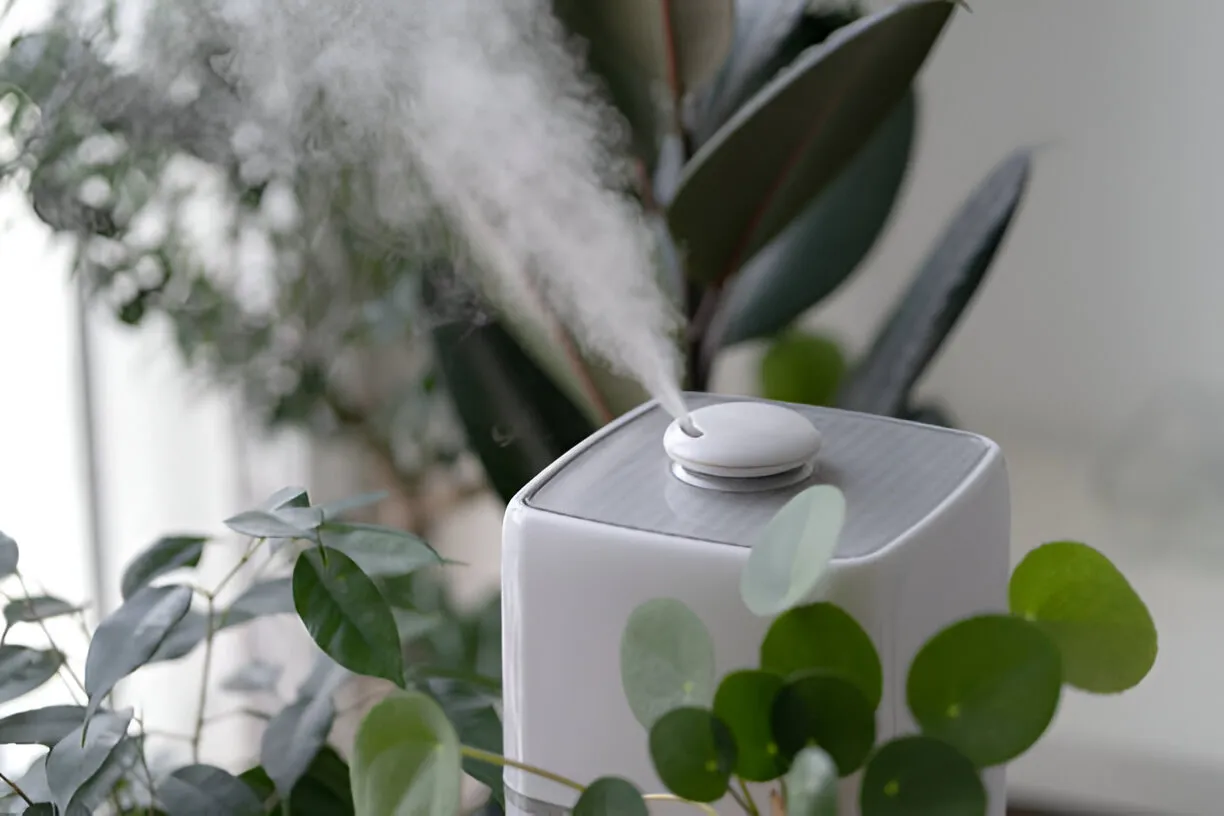
Common whole house air quality challenges in Brice, OH
- Seasonal pollen and grass pollen during spring and summer that aggravate allergies
- High indoor humidity in summer that encourages mold spores and dust mite growth
- Fine dust and agricultural particulates tracked in from surrounding rural areas
- Cooking and household VOCs from cleaning products, paints, and new furnishings
- Occasional regional smoke or urban pollution that penetrates into homes
- Pet dander and household dust in older homes with more air infiltration
Understanding which of these affect your home helps determine the right whole-house solution and filter combinations.
Whole-house purifier types and how they work
Modern whole house systems often combine multiple technologies to address different pollutant types. Key options include:
- HEPA (True HEPA)
- Captures 99.97 percent of particles down to 0.3 microns, including pollen, pet dander, and most fine dust.
- Best for particle removal but produces pressure drop; many furnaces and air handlers require a dedicated bypass housing or a higher-capacity fan to handle HEPA-level filtration.
- Activated carbon
- Adsorbs odors and volatile organic compounds VOCs that HEPA filters do not remove.
- Often used in layered systems with HEPA to address both particles and gases.
- Electrostatic precipitators
- Use an electric charge to collect particles on plates that are washable or replaceable.
- Can be effective for fine particles but some designs produce low levels of ozone. Choose low-ozone-certified units.
- Ultraviolet germicidal irradiation UV
- Targets biological contaminants (bacteria, mold spores, some viruses) by damaging microbial DNA or RNA.
- Most effective when paired with particle filtration; UV alone will not remove particulates or odors.
Combining technologies gives the broadest protection: HEPA for particles, carbon for VOCs and odors, and UV for biological control.
Integration with existing HVAC: sizing and placement
Proper integration is critical for performance and system longevity. Key considerations:
- Match capacity to your HVAC airflow
- Professionals size whole-house purifiers by comparing the home volume (square footage times ceiling height) and the HVAC system airflow in cubic feet per minute CFM. This ensures the purifier can deliver the desired air changes per hour ACH for effective whole-house treatment.
- In-duct versus standalone systems
- In-duct units mount inside the return plenum or in a bypass housing and treat all air that passes through the HVAC system.
- Packaged whole-home units can be added adjacent to an air handler or installed as a separate air cleaner with its own fan for homes with limited HVAC capacity.
- Placement
- Best practice: install the purifier on the return side of the air handler where it treats the entire circulating airflow.
- Avoid locations that restrict airflow or expose filters to excessive moisture unless the unit is rated for those conditions.
- Static pressure and fan capacity
- Adding HEPA or dense carbon stages increases static pressure. Confirm your air handler or furnace can maintain proper airflow or plan a dedicated fan or bypass arrangement.
Maintenance and filter replacement frequency
Maintenance keeps performance high and operating costs predictable. Typical intervals:
- Prefilters: check and replace or clean every 1 to 3 months depending on load
- Activated carbon: replace every 3 to 6 months for high VOC/odor loads or up to 12 months in low-load homes
- HEPA filters: replace every 12 to 24 months depending on usage, airflow, and pollutant load
- Electrostatic plates: clean monthly to quarterly as recommended by the manufacturer
- UV lamps: replace annually to maintain germicidal output; clean quartz sleeves periodically
Always follow manufacturer guidance and include purifier checks in your annual HVAC tune-up to ensure seals, housings, and fans perform properly.
Performance metrics and certifications to consider
When evaluating systems, prioritize measurable performance and safety:
- HEPA rating: look for True HEPA with 99.97 percent capture at 0.3 microns
- MERV and ASHRAE standards: MERV ratings indicate particle capture efficiency for in-duct filters
- CADR Clean Air Delivery Rate: useful for comparing how quickly a unit reduces particles in a space
- AHAM verification and third-party testing: independent performance validation is valuable
- Ozone emissions: avoid devices that generate ozone or verify low-ozone certification
- ENERGY STAR and electrical safety listings: indicate energy performance and electrical safety testing
A professional installer should provide spec sheets and explain how the chosen metrics map to your home size and indoor air quality goals.
Installation process and what to expect
A typical installation follows these steps:
Assessment
- Technician evaluates HVAC capacity, home volume, and specific air quality concerns such as allergies or odors.
System selection and layout
- Selects technology mix (HEPA, carbon, UV, electrostatic) and determines mounting location and any needed fan upgrades or bypass housings.
Installation
- Mount purifier modules in the return plenum or adjacent ductwork, seal penetrations, and integrate controls with the HVAC blower where required.
Commissioning
- Verify airflow, static pressure, and electrical connections. Demonstrate basic maintenance tasks and provide an expected replacement schedule.
Post-install testing
- Optional particle counts or pollutant measurements can quantify improvements.
Expect a professional install to prioritize air sealing, maintain HVAC warranty compliance, and minimize added static pressure.
Expected health and indoor air quality outcomes for Brice homes
With a properly sized and installed whole house air purifier, Brice homeowners can expect:
- Significant reduction in airborne allergens such as pollen, pet dander, and dust
- Noticeably fewer odors and lower VOC concentrations when carbon filtration is included
- Reduced visible dust settling and longer-lasting cleanliness on surfaces
- Lower mold spore levels when combined with humidity control strategies in humid months
- Complementary reduction in airborne pathogens when particle filtration and UV are combined, supporting respiratory health
Outcomes depend on proper sizing, filter maintenance, and addressing sources such as humidity, combustion appliances, and chemical use. For homes in Brice dealing with seasonal pollen and humidity-driven mold, combining HEPA filtration with activated carbon and routine HVAC humidity control provides the best year-round results.
Regular maintenance, periodic performance checks, and choosing certified equipment are the best ways to keep your home breathing cleaner air throughout the seasons in Brice, OH.
Hot Deals & Cool Savings

.webp)
New Service Agreement Membership
.webp)
Any New Client Service
Next Service for Referring a New Client
New Service Agreement Membership
Any New Client Service
Next Service for Referring a New Client
.webp)
.webp)

Service Areas
