
Heating Replacement in Pickerington, OH
Heating replacement in Pickerington, OH delivers comfort, safety, and efficiency with expert installation and clear financing options for homeowners.

Heating Replacement in Pickerington, OH
When winter temperatures drop in Pickerington, OH, a reliable heating system is essential for comfort, safety, and energy efficiency. Replacing an aging or failing furnace, boiler, or heat pump is a major decision.
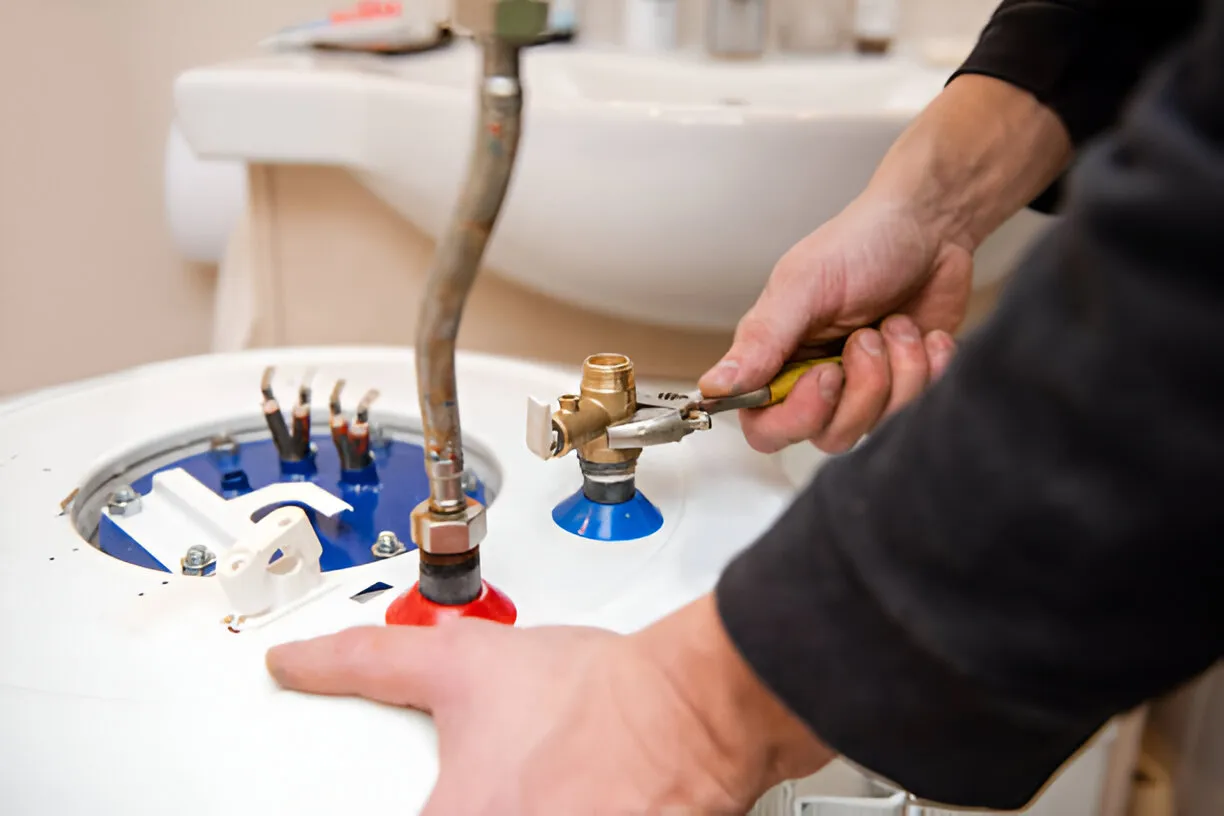
Common signs your heating system needs replacement
Recognizing the right time to replace a heating system prevents emergency breakdowns and reduces long-term costs. Look for these signs in Pickerington homes:
- Age: Most furnaces and boilers over 15 to 20 years are near or past expected life and lose efficiency.
- Frequent repairs: Repeated service calls indicate diminishing reliability and rising lifetime cost.
- Rising energy use: A steady increase in natural gas or electric use for heating, despite similar routines, points to efficiency loss.
- Inconsistent comfort: Cold spots, short cycling, or poor airflow often stem from failing equipment or mismatched capacity.
- Safety indicators: Yellow pilot lights, rust, soot, or a smell of combustion warrant immediate evaluation and often replacement.
- Noisy operation: Grinding, knocking, or rattling that persists after repairs usually signals major component wear.
- Dated technology: Older systems lack modern controls, zoning, and efficiency features that significantly reduce energy use.
Pickerington’s cold winters and older housing stock mean many homes see accelerated wear on heating equipment. Addressing replacement early limits both discomfort and potential safety issues like carbon monoxide risk.
Evaluating replacement options for Pickerington homes
Choice of replacement depends on fuel availability, home layout, ductwork condition, and long-term goals for efficiency and emissions. Typical options:
- High-efficiency gas furnace (condensing furnace)
- Pros: Familiar technology in central Ohio, strong heating output in cold weather, straightforward replacement in homes with existing gas lines.
- Cons: Still relies on fossil fuel; efficiency gains vary by current system.
- Boiler system
- Pros: Efficient for radiant systems and older homes with hydronic heating.
- Cons: More complex piping and potential for higher initial installation labor.
- Cold-climate air-source heat pump
- Pros: Delivers efficient heating and cooling; modern cold-climate models perform well at lower temperatures and can substantially reduce fossil fuel use.
- Cons: Performance and sizing must be matched to local climate and home insulation; may be combined with backup heat in very cold snaps.
- Ductless mini-split heat pumps
- Pros: Ideal for homes with poor or no ductwork, add zoned control and high efficiency.
- Cons: Multiple indoor heads may be required for whole-house comfort.
- Dual-fuel systems
- Pros: Combine a heat pump with a gas furnace to maximize efficiency and comfort across temperature ranges.
- Cons: Higher initial system complexity and careful control strategy needed.
Choosing the right system starts with a professional load calculation and assessment of ducts, insulation, and ventilation.
How a proper evaluation is done
A responsible replacement decision begins with a home-specific evaluation, including:
- Heating load calculation to size equipment correctly (not just “one size fits all”).
- Ductwork inspection for leaks, insulation, and sizing; duct inefficiencies can negate a new system’s savings.
- Combustion safety check for gas-fired systems and carbon monoxide risk assessment.
- Electrical capacity and panel review for heat pump or advanced control installations.
- Review of comfort needs, zoning preferences, and future energy goals (electrification, reducing carbon footprint).
This assessment determines the most cost-effective, comfortable, and code-compliant solution for each Pickerington home.
Cost outlook and energy savings projections
Rather than focusing on specific price tags, evaluate replacement by expected energy savings and payback characteristics:
- Efficiency metrics to compare: AFUE for furnaces/boilers, HSPF/SEER for heat pumps, and the operational impact on fuel bills.
- Typical energy savings: Replacing an older low-efficiency furnace (for example, AFUE in the 60s-70s) with a modern high-efficiency condensing furnace (AFUE in the mid-90s) commonly reduces fuel consumption by a meaningful percentage. Switching to a modern cold-climate heat pump can lower heating energy use further, depending on home insulation and local winter patterns.
- Payback depends on fuel costs, usage patterns, and available incentives. Homes with higher heating loads or poor existing efficiency typically realize faster relative savings.
- Lifecycle view: Consider long-term reliability, maintenance costs, and how a new system impacts resale value and comfort, not just short-term expense.
In Pickerington, where both cold winters and occasional milder months occur, many homeowners find heat pumps or high-efficiency furnaces deliver the best balance of comfort and energy performance.
Removal and disposal of old equipment
Proper removal of existing equipment follows environmental and safety rules:
- Refrigerant recovery: All refrigerants must be recovered by certified technicians per federal regulations to prevent atmospheric release.
- Safe dismantling: Gas and electrical disconnections are handled with combustion and electrical safety checks.
- Recycling and disposal: Metals, compressors, and other components are recycled where possible; hazardous materials are disposed of according to local codes.
- Documentation: Many local jurisdictions and utility programs require documentation of disposal and replacement for rebate eligibility.
Pickerington and central Ohio require licensed handling of fuel-fired and refrigerant-containing equipment; ensure the process follows applicable local and federal regulations.
The replacement installation process
A typical replacement follows clear steps to ensure performance and code compliance:
- Pre-install planning: final equipment selection, permits, and material staging.
- Site preparation: protect flooring and access routes to minimize disruption.
- Old equipment removal and disposal per regulations.
- Mechanical installation: mounting, duct connections, gas/electric hookups, refrigerant lines where applicable.
- System startup and tuning: airflow balancing, combustion analysis for gas equipment, refrigerant charge verification, and thermostat configuration.
- Safety testing: carbon monoxide, pressure, and leak checks; verification of proper venting and condensate drainage.
- Owner orientation: explanation of controls, filter care, and recommended maintenance practices.
- Documentation: warranty registration and compliance paperwork.
Installations can often be completed in a day for like-for-like replacements, while more extensive ductwork or layout changes may require additional time.
Rebates, incentives, and financing options available to Pickerington homeowners
Several incentive streams commonly affect replacement decisions in central Ohio:
- Federal tax credits and efficiency incentives that target high-efficiency heat pumps and electrification upgrades.
- Utility and state rebates for qualifying equipment through regional energy programs and gas/electric providers.
- Manufacturer or distributor incentives tied to specific high-efficiency models.
- Financing options from third-party lenders or through contractor programs to spread equipment cost over time and align payments with energy savings.
Eligibility for these programs depends on equipment type, efficiency ratings, and installation documentation. Factor incentives into the overall lifecycle cost and payback calculation when comparing options.
Why timely replacement matters and maintenance tips
Replacing a failing system restores comfort and reduces safety risk, but long-term performance relies on proper maintenance:
- Benefits of replacement: improved comfort, lower operating costs, reduced breakdown risk, and often quieter operation.
- Maintenance tips to protect your investment:
- Schedule annual tune-ups for heating systems.
- Change filters regularly and keep return vents unobstructed.
- Seal and insulate ducts and attics to maximize system efficiency.
- Use programmable or smart thermostats to reduce wasted runtime.
Making an informed, home-specific replacement choice ensures the new system matches Pickerington weather patterns, your comfort needs, and long-term energy goals.
Hot Deals & Cool Savings

.webp)
New Service Agreement Membership
.webp)
Any New Client Service
Next Service for Referring a New Client
New Service Agreement Membership
Any New Client Service
Next Service for Referring a New Client
.webp)
.webp)

Service Areas
