
Furnace Maintenance in Pickerington, OH
Schedule furnace maintenance in Pickerington, OH to boost safety, efficiency, and reliability. Learn the steps, plans, and how to prepare.

Furnace Maintenance in Pickerington, OH
Keeping your furnace tuned and safe is essential for comfortable, reliable winters in Pickerington. With cold snaps, fluctuating temperatures, and seasonal humidity changes common to central Ohio, routine furnace maintenance prevents breakdowns during the months you need heat most, improves efficiency, and reduces safety risks like carbon monoxide exposure.
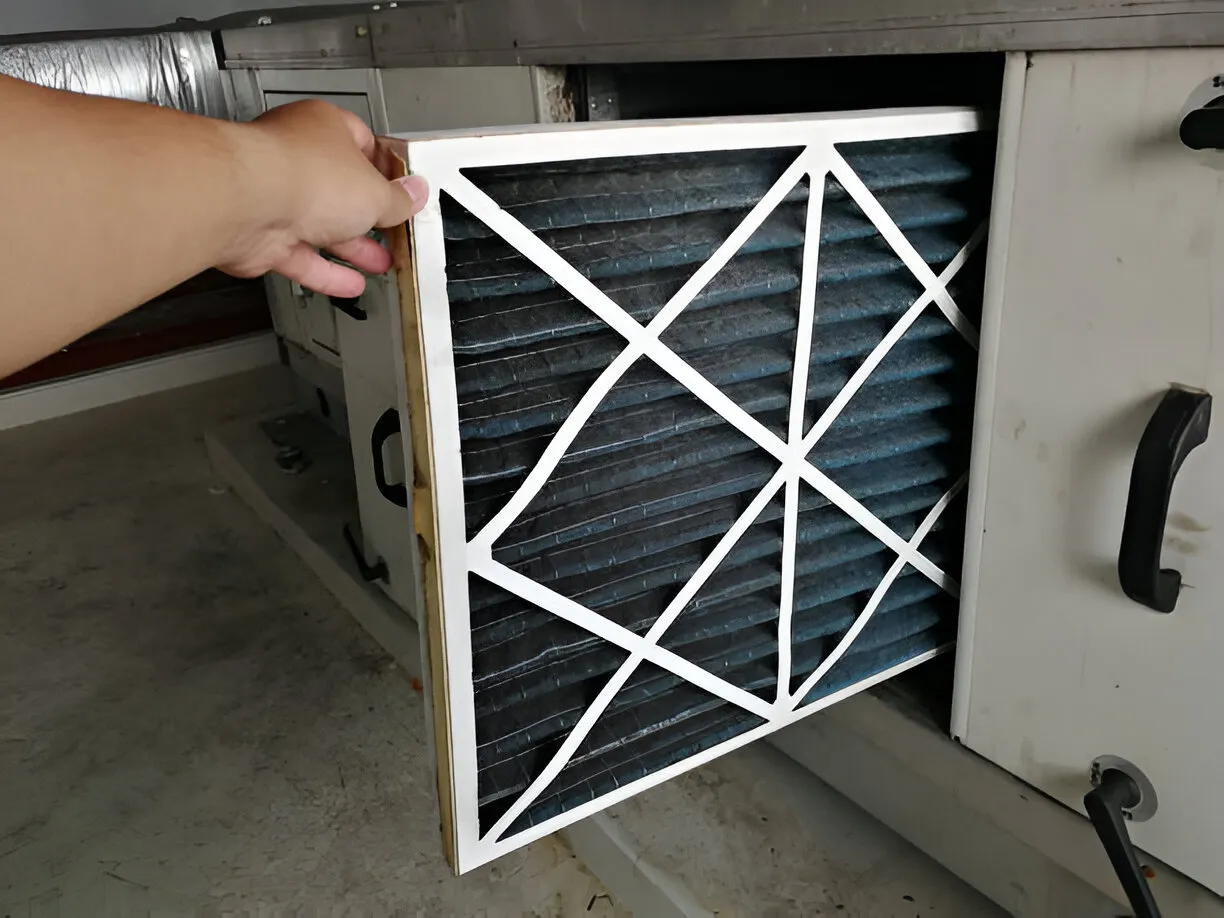
Why furnace maintenance matters in Pickerington, OH
- Winters in Pickerington are cold and can be prolonged. Furnaces run longer and harder, so wear accumulates faster than in milder climates.
- Freeze-thaw cycles and seasonal humidity increases can affect vents, condensate lines, and ductwork performance.
- Many local homes have older systems or mixed heating types (natural gas is common, but electric and oil systems are present), so targeted inspections prevent surprises.
- Regular maintenance helps avoid emergency repairs during peak cold periods and keeps systems operating safely and efficiently.
Typical furnace maintenance checklist
A complete furnace tune-up follows a standardized checklist to ensure safety, efficiency, and reliability. A technician will typically perform these steps:
- Visual inspection of furnace cabinet and surrounding area
- Replace or inspect air filter and note recommended replacement interval
- Check thermostat settings and operation; calibrate if needed
- Inspect burner assembly and ignition system (spark, hot surface ignitor, pilot)
- Inspect and test heat exchanger for cracks or corrosion that could cause carbon monoxide leaks
- Verify proper gas pressure and burner flame characteristics (for gas systems)
- Clean burners and combustion chamber to maintain efficient combustion
- Check flue and venting for blockages, corrosion, or leaks
- Perform combustion analysis where applicable to verify safe, efficient operation
- Inspect and clean condensate lines and traps on high-efficiency (condensing) furnaces
- Lubricate blower motor bearings and inspect belt condition (if applicable)
- Test blower motor, blower wheel, and airflow; clean as needed
- Tighten electrical connections, test controls, safety switches, and limit switches
- Inspect duct connections for leaks and recommend simple fixes
- Check carbon monoxide detector operation and advise on placement/maintenance
- Provide written report and recommended repairs with clear priority levels
Common furnace problems in Pickerington homes
Understanding common issues helps homeowners recognize when maintenance or repair is needed:
- Short cycling (furnace running in short bursts): Often caused by dirty filters, airflow restrictions, or oversized/undersized systems.
- Weak heat or uneven heating: Can result from clogged ductwork, failing burners, or low airflow.
- Noisy operation: Squeals, rattles, or banging may indicate worn blower motors, loose components, or ignition issues.
- Frequent pilot or ignition failures: Ignitor wear, gas valve problems, or inadequate maintenance can be culprits.
- High energy bills in winter: Dirty burners, improper combustion, or cracked heat exchangers reduce efficiency.
- Condensate clogs on high-efficiency units: Ohio’s seasonal debris and humidity can cause condensate traps to clog and cause shutdowns.
- Safety concerns such as suspected carbon monoxide: Cracked heat exchangers or blocked vents require immediate inspection.
Annual vs biannual service plans — what to choose
- Annual maintenance (recommended): For most Pickerington homes with a single-family residence and a standard furnace, a fall tune-up before heating season is sufficient. This catch-all inspection addresses combustion safety, airflow, and prevents winter breakdowns.
- Biannual maintenance (recommended for some situations): Consider two visits per year if you have a high-efficiency condensing furnace (inspect condensate system before and during heating season), live in an older home with an aging system, have heavy household occupants (allergy concerns or heavy dust), or have equipment under frequent use. A spring visit can prep the system after the winter and identify wear before it worsens.
- Membership plans often combine preventative visits with discounts on repairs, priority response, and seasonal inspections tailored to your system type.
What’s included in membership and service plans
Well-designed maintenance plans provide predictable care and added peace of mind, typically including:
- Scheduled annual or biannual inspections and tune-ups
- Priority scheduling during peak heating season and emergency response lanes
- Discount on repair labor and replacement parts
- Diagnostic testing and written maintenance reports
- Possible filter replacement allowances or reminders
- Longer equipment life and improved seasonal efficiency through proactive maintenance
These benefits translate to fewer emergency repairs, lower utility bills, and a safer heating system for households in Pickerington.
How a maintenance visit improves safety and efficiency
- Safety: Technicians test for combustion efficiency and inspect the heat exchanger and venting to reduce carbon monoxide risk.
- Efficiency: Clean burners, proper gas pressure, and correct airflow restore optimal combustion and heat transfer, lowering fuel use.
- Reliability: Tightening electrical connections, lubricating moving parts, and replacing worn components reduce the chance of mid-winter breakdowns.
- Longevity: Regular attention extends the useful life of the furnace and helps you plan replacement on your schedule rather than in an emergency.
Preparing for a maintenance appointment (what to have ready)
To make your scheduled visit efficient and productive, have the following information available:
- Furnace make, model, and approximate age (found on the unit nameplate)
- Any recent symptoms (strange noises, uneven heat, odors, or cycling behavior)
- Location of the furnace and access considerations (basement, closet, attic)
- Preferred windows for access and any pets to secure
- Current filter type and last replacement date
Technicians will typically perform diagnostics and then review any recommended repairs or improvements. Scheduling seasonal visits in early fall (September–October) can avoid the busiest weeks of late November and December.
Maintenance frequency and seasonal timing for Pickerington
- Best time for preventive maintenance: Early fall before sustained cold weather arrives, ideally September or October.
- Consider a spring follow-up if you have a high-efficiency condensing furnace, heavy winter usage, or if your system is older than 12–15 years.
- Avoid scheduling maintenance during peak winter storms when response time is longer and emergency needs surge.
Final considerations and homeowner tips
- Keep the area around your furnace clear for airflow and safe access.
- Change disposable filters monthly during heavy-use months and check permanent filters per manufacturer guidance.
- Install and maintain carbon monoxide detectors on each level of your home and near sleeping areas.
- Track service history and model/serial numbers to help technicians provide accurate diagnostics.
- Regular maintenance is the most effective way to reduce unexpected repair costs, maintain comfort through Pickerington’s cold months, and keep your family safe.
Routine furnace maintenance tailored to Pickerington’s climate protects comfort and safety while maximizing efficiency and equipment life. Whether your system is a standard gas furnace or a high-efficiency condensing model, scheduled inspections and tune-ups are the proven way to avoid winter breakdowns and costly emergency repairs.
Hot Deals & Cool Savings

.webp)
New Service Agreement Membership
.webp)
Any New Client Service
Next Service for Referring a New Client
New Service Agreement Membership
Any New Client Service
Next Service for Referring a New Client
.webp)
.webp)

Service Areas
