
Heating Installation in Pickerington, OH
Professional heating installation in Pickerington, OH. Accurate sizing, code-compliant setup, reliable comfort. Schedule now.

Heating Installation in Pickerington, OH
Installing a new heating system is one of the most important upgrades you can make for comfort, safety, and energy cost control in Pickerington, OH. Winters here bring sustained cold, fluctuating temperatures, and occasional ice that expose undersized or aging systems. A proper heating installation in Pickerington, OH starts with a thorough home assessment and ends with a tested, balanced system that meets local code and your household needs.
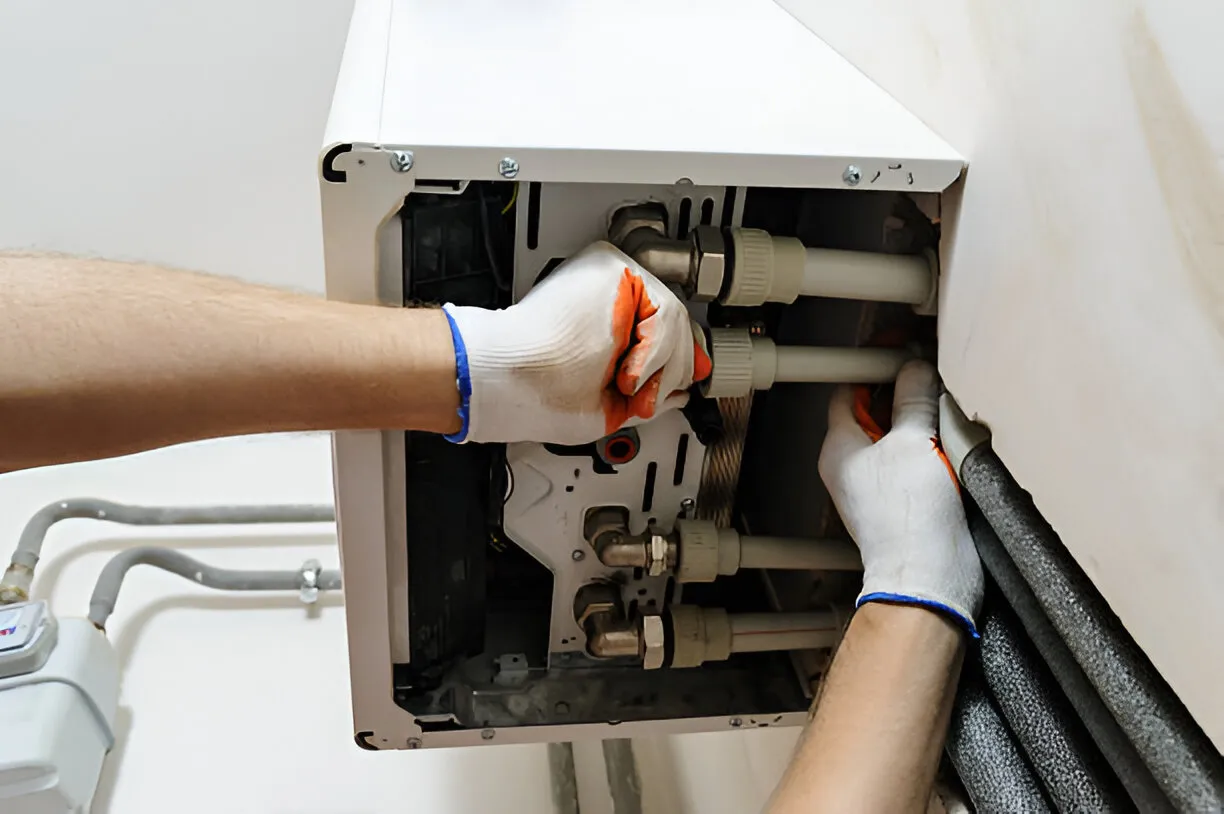
Common heating installation types in Pickerington, OH
- Gas furnaces - Common in central Ohio for reliable heat and lower operating costs compared with electric resistance heat. Modern high-efficiency furnaces offer AFUE ratings above 90 percent.
- Boilers - Hydronic systems are popular in older homes or homes with existing radiator or in-floor heating piping.
- Air-source heat pumps - Increasingly effective even in colder climates when paired with cold-climate models or as part of a hybrid system.
- Ductless mini-split heat pumps - Good option for additions, converted spaces, or homes without ductwork.
- Hybrid systems - Combine a heat pump with a gas furnace to optimize efficiency and comfort across seasons.
Home assessment and load calculations
A reliable installation begins with a complete home assessment and proper sizing. Installers should perform a Manual J heat load calculation to determine how much heating capacity your home actually needs. The assessment includes:
- Square footage, ceiling heights, insulation levels, window types, and orientation
- Air infiltration and ventilation needs
- Existing ductwork layout and condition
- Basements, crawlspaces, and attached garages that affect heat loss
- Family occupancy and comfort preferences
Accurate load calculations prevent common problems: oversized systems that short-cycle and reduce lifespan, or undersized units that struggle to maintain temperature on cold nights. For ducted systems, a Manual D duct design check helps ensure adequate airflow and static pressure.
Equipment selection: efficiency and capacity
Choosing the right equipment balances efficiency, capacity, and durability. Key considerations for Pickerington homes:
- AFUE for furnaces and boilers - higher AFUE means lower fuel use. Modern cold-weather homes typically aim for 90+ AFUE for gas furnaces.
- HSPF and SEER for heat pumps - select cold-climate rated models for reliable winter operation.
- Modulating or two-stage burners and variable speed blowers - improve comfort by reducing temperature swings and improving humidity control.
- Fuel availability - natural gas is common; some homes may use propane, oil, or electric options depending on infrastructure.
- Compatibility with existing ductwork and thermostats, including smart or zoning controls.
Avoid oversizing based on myths. Properly matched equipment leads to longer life, quieter operation, and lower bills.
Professional installation steps
A professional heating installation should follow a clear, documented process:
- Pre-install inspection and permit check - confirm code requirements and whether structural or electrical upgrades are needed.
- Removal of old equipment - safe disconnect, disposal following local rules.
- Ductwork modifications or replacements - sealing, insulating, and resizing as required.
- Venting and combustion air setup for combustion appliances - proper flue routing and clearances.
- Gas, electrical, and refrigerant connections - installed to code and pressure-tested.
- System mounting and mechanical setup - secure install, proper clearances, and condensate management.
- Controls and thermostat installation - ensure compatibility and programming for efficiency.
- Commissioning and initial run - equipment is started under professional supervision and adjusted.
Each step includes safety checks such as leak tests, electrical verification, and ventilation inspections.
Permitting and safety checks in Pickerington
Installations must meet local and state codes. Typical requirements include:
- Building and mechanical permits filed with the city or county
- Inspections for gas piping, combustion appliance venting, and electrical connections
- Carbon monoxide and combustion safety tests
- Verification of proper combustion air, especially in tightly sealed homes
Proper permitting protects homeowners and ensures installations pass required inspections.
Timeline and what to expect
Typical residential installations take from one day for a like-for-like furnace swap up to several days for systems that require ductwork, boiler piping, or structural modifications. Larger projects such as boiler replacements or conversion from oil to gas may require coordination with utility providers and additional inspection scheduling. Winter months increase demand and may extend scheduling lead times, making early planning important.
Post-installation testing and handoff
A complete installation includes thorough testing and documentation:
- Airflow measurements and static pressure checks
- Temperature rise and heat output verification
- Carbon monoxide testing and combustion efficiency readings
- Refrigerant charge verification for heat pumps
- System balancing and zoning adjustments
- Homeowner orientation on operation, filters, and maintenance access
- Provision of equipment manuals and warranty paperwork
These steps confirm the system operates as intended and provide records for future service.
Warranty, registration, and maintenance
New systems typically come with a manufacturer warranty covering parts and sometimes labor, plus an installer workmanship warranty. Important practices:
- Register the equipment with the manufacturer promptly to ensure full warranty coverage
- Keep installation documentation and inspection reports
- Enroll in regular maintenance plan checks to preserve warranty validity and peak efficiency
- Understand which components are covered: some warranties exclude routine wear items or require annual maintenance
Regular seasonal maintenance extends equipment life and helps identify small issues before they become major problems.
Why timely professional installation matters for Pickerington homeowners
Proper heating installation improves year-round comfort, reduces energy use, and lowers the risk of safety hazards like carbon monoxide. In Pickerington, where winters can be long and chilling, the difference between a well-sized, modern system and a mismatched old unit is substantial in cost, reliability, and comfort. Investing in accurate load calculations, quality equipment, code-compliant installation, and good documentation ensures your system serves your home efficiently for many heating seasons.
Maintenance tips to protect your investment: change filters regularly, keep vents and returns unobstructed, and schedule seasonal inspections to catch duct leaks, airflow issues, or combustion irregularities early.
Hot Deals & Cool Savings

.webp)
New Service Agreement Membership
.webp)
Any New Client Service
Next Service for Referring a New Client
New Service Agreement Membership
Any New Client Service
Next Service for Referring a New Client
.webp)
.webp)

Service Areas
