
Heating Replacement in Minerva Park, OH
Heating replacement in Minerva Park, OH: explore steps, costs, incentives, and timelines to upgrade your system. Learn more.

Heating Replacement in Minerva Park, OH
Replacing an aging or failing heating system is one of the most impactful home upgrades for comfort, safety, and long-term energy savings in Minerva Park, OH. Winters in central Ohio are cold and often extended enough that an inefficient or unreliable furnace, boiler, or heat pump can drive utility bills up and leave your home uncomfortable when you need it most.
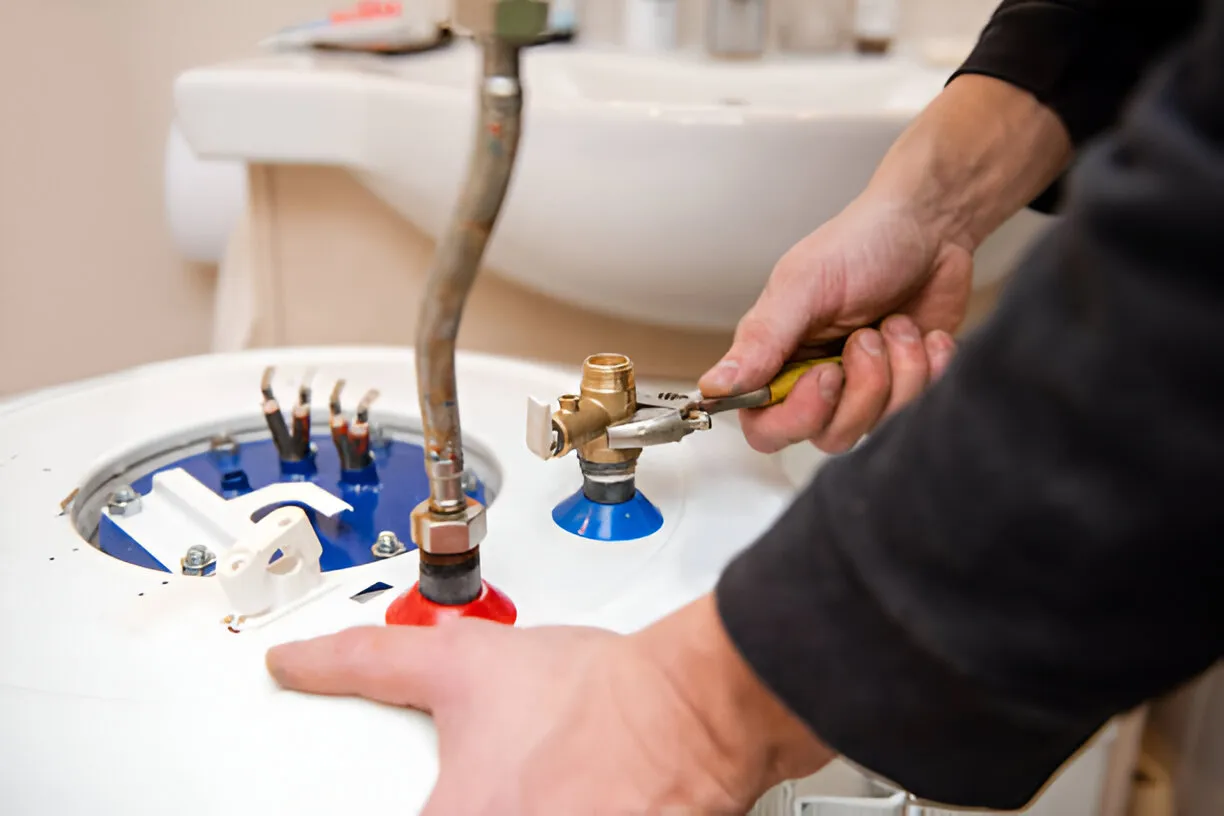
Why consider heating replacement now
Older systems cost more to operate, break down more often, and can underperform in Ohio’s cold months. Consider replacement if you notice:
- Frequent repairs or rising repair costs over the last few years
- Uneven heating between rooms, persistent cold spots, or short cycling
- Growing energy bills despite similar usage patterns
- System age: many furnaces, boilers, and heat pumps approach end-of-life after 15–20 years depending on maintenance
- Safety concerns such as cracked heat exchangers, persistent carbon monoxide detector alerts, or frequent pilot/ignition issues
- Poor indoor air quality tied to failing equipment or leaky ductwork
These are common heating replacement issues in Minerva Park homes, especially in neighborhoods with older housing stock or original systems that have not been updated.
Common heating system types and what to replace with
Minerva Park residences typically have one of several heating systems. Replacement options should be chosen to match your home’s layout, existing ductwork, fuel availability, and comfort goals.
- Gas furnaces (forced air): High-efficiency condensing furnaces with variable-speed blowers improve comfort and efficiency versus older single-stage units. AFUE rating is the key efficiency metric to compare.
- Boilers (hot water or steam): Modern condensing boilers recover more heat and are far more efficient than older non-condensing models.
- Air-source heat pumps: Cold-climate heat pumps and hybrid (dual fuel) systems perform well in central Ohio, providing both heating and cooling with high efficiency.
- Ductless mini-splits: Ideal for additions, room-by-room upgrades, or homes without ductwork. They offer zoned comfort and strong efficiency.
- Hybrid systems: Pairing a heat pump with a high-efficiency furnace gives optimal efficiency across varying winter temperatures.
The replacement process — what to expect
A professional replacement follows several clear steps designed for safety, performance, and code compliance:
- Assessment and load calculation
- A certified technician inspects your home, evaluates existing equipment, and performs a heating load calculation (Manual J) to size the new system correctly. Oversized or undersized equipment causes inefficiency and comfort problems.
2. System selection and planning
- Equipment options are compared by efficiency ratings, fuel source, compatibility with existing ducts, and noise/space considerations.
3. Permitting and scheduling
- Local permits and inspections may be required. A timeline is scheduled accounting for equipment lead times and inspection windows.
4. Removal and site preparation
- The old unit, controls, and any obsolete components are disconnected and removed using safe procedures that protect the home interior.
5. Installation and integration
- New equipment is installed, ductwork or piping modifications made, safety systems tested, and controls (including smart thermostats) integrated.
6. Commissioning and testing
- The system is calibrated, airflow and temperature balance are verified, combustion and venting are tested if applicable, and the homeowner receives operational guidance.
Removal and disposal procedures
Responsible removal is essential. Proper procedures include:
- Safe disconnect of fuel, electrical, and refrigerant lines (refrigerant must be recovered per federal regulations)
- Proper handling of potential hazards (e.g., asbestos insulation on very old equipment or contaminated components)
- Transport and disposal through licensed recycling and disposal facilities, with recycling of metal and refrigerant reclamation where possible
- Documentation of disposal per local codes and inspectors
These steps protect your family and ensure compliance with Ohio and federal environmental and safety rules.
Efficiency and cost-savings comparison
Replacing a low-efficiency furnace or boiler with a modern high-efficiency model reduces fuel consumption and decreases operating costs. Heat pumps can offer even larger seasonal savings because they move heat rather than generate it. When comparing options, consider:
- Efficiency ratings (AFUE for furnaces/boilers, HSPF/SEER for heat pumps)
- Expected fuel price trends (gas vs. electricity)
- Maintenance needs and service life expectancy
- Whole-home comfort improvements and potential reductions in repair expenses
A properly sized, high-efficiency system often pays back over time through lower utility bills and reduced repair frequency.
Expected costs and what affects price
Instead of universal pricing, understand the factors that determine replacement cost:
- Type and efficiency of the selected equipment
- Size (capacity) required by the home’s heating load
- Condition and configuration of ductwork or piping; major duct repairs or replacements increase project scope
- Need for gas line upgrades, electrical circuit upgrades, chimney or venting modifications, or structural accommodations
- Labor complexity and permit/inspection requirements
- Additional features such as zoning, air cleaners, or smart thermostats
Projects typically fall into entry-level, mid-range, or premium scopes depending on those variables. Financing options and utility or manufacturer incentives can change the short-term economics of a higher-efficiency choice.
Incentives and financing
Homeowners in the central Ohio area may qualify for a mix of incentives:
- Utility rebates for high-efficiency equipment or heat pump installations
- Manufacturer rebates on select models during promotional periods
- State or federal tax credits for certain energy-efficient heating systems
- Flexible financing options offered through local contractors or third parties to spread payments over time
Eligibility depends on the equipment selected, your household income, and program rules. Documentation of equipment specifications and installation is typically required to claim incentives.
Installation timeline and guarantees
Typical replacement timelines:
- Simple furnace swap: often completed in a single day once equipment is on-site
- More complex installs (boiler, duct modifications, heat pump with outdoor unit relocation) may require multiple days and additional inspections
- Permit and inspection windows can extend total project time by several days to a couple weeks
Guarantees commonly offered:
- Manufacturer equipment warranties (many modern systems include multi-year component warranties)
- Installer workmanship warranties for labor and installation quality
- Options to enroll in routine maintenance plans to preserve warranties and extend equipment life
Long-term benefits and maintenance
Replacing aging heating equipment improves year-round comfort, reduces breakdown risk, and supports better indoor air quality. Pairing replacement with seasonal maintenance—filter changes, annual tune-ups, and periodic duct inspections—maximizes lifespan and efficiency. For Minerva Park homes, investing in a properly sized, modern system provides dependable warmth through Ohio winters while minimizing energy use.
A well-planned heating replacement aligns equipment selection with your home’s needs, local climate considerations, and long-term energy goals, delivering measurable comfort and value for years to come.
Hot Deals & Cool Savings

.webp)
New Service Agreement Membership
.webp)
Any New Client Service
Next Service for Referring a New Client
New Service Agreement Membership
Any New Client Service
Next Service for Referring a New Client
.webp)
.webp)

Service Areas
