
Heating Installation in Minerva Park, OH
Heating installation in Minerva Park, OH: professional, code-compliant setup for safety, comfort, and efficiency. Schedule an upgrade today.

Heating Installation in Minerva Park, OH
Installing a new heating system is one of the most important investments for Minerva Park homes. Winters in central Ohio are cold and often damp, so a properly sized, code-compliant, and efficiently installed system makes your home safer, more comfortable, and less expensive to heat.
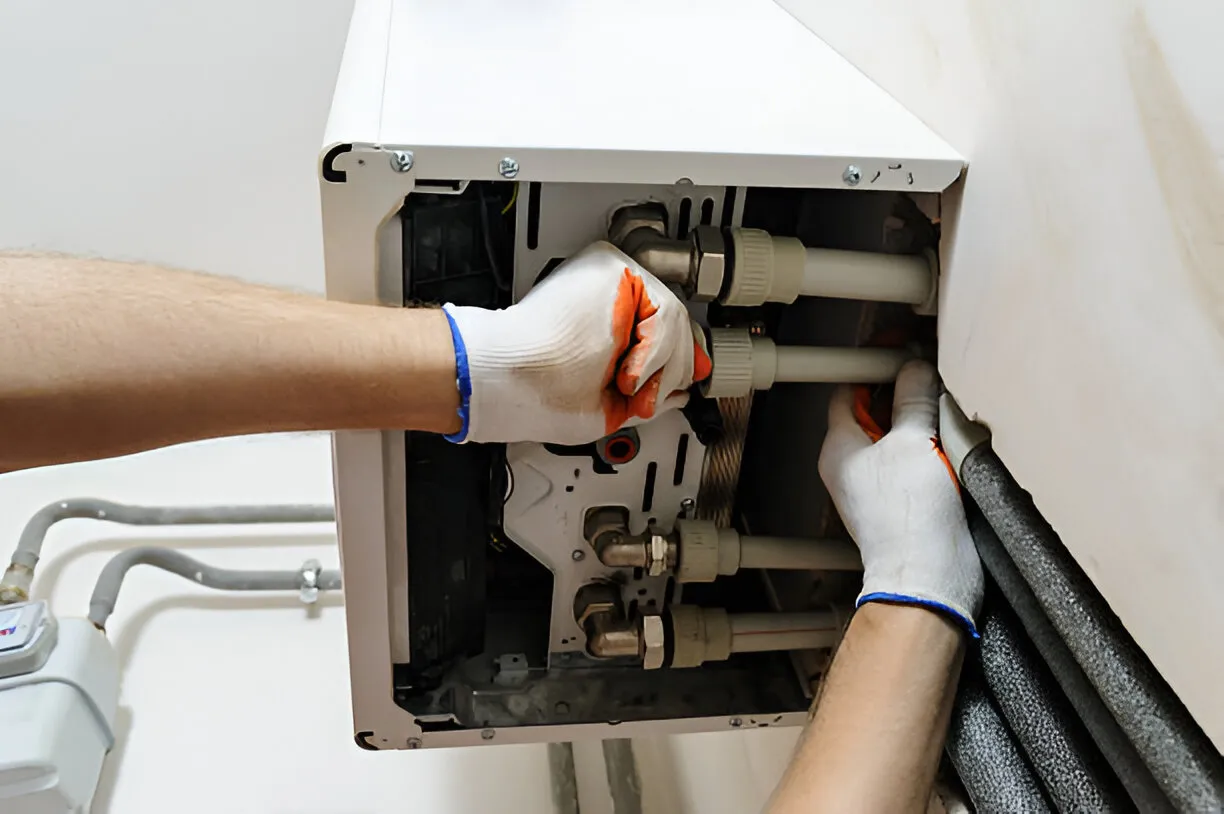
Common heating system types and common issues in Minerva Park
- Gas furnaces (conventional and high-efficiency condensing): common where natural gas is available. Typical issues include age-related failures, cracked heat exchangers, and inefficient operation.
- Boilers (hot water or steam): often found in older homes. Problems include leaking pipes, sediment buildup, and inefficient burners.
- Heat pumps (air-source and ductless mini-splits): increasingly popular for energy savings and year-round comfort. Performance can vary in very cold snaps unless paired with a backup heat source.
- Hybrid systems (heat pump + gas furnace): combine efficiency and cold-weather reliability.
- Ductless split systems: ideal for room additions, converted garages, or homes with limited ductwork.Common installation-related pain points: improperly sized equipment, inadequate ductwork, poor combustion venting, and missed permitting or inspection steps that can lead to safety or warranty issues.
Home assessment and load calculations
A professional installation starts with a thorough home assessment and precise load calculation:
- Manual J heating load calculation: measures the exact heating demand based on square footage, insulation, window types, orientation, air infiltration, and local climate data for Minerva Park. This prevents oversized or undersized equipment.
- Manual D duct design review: ensures the duct system can deliver the right airflow to each room. Many comfort problems stem from ducts not matched to new equipment.
- Fuel and venting evaluation: confirms natural gas, propane, or electrical availability and appropriate venting/chimney conditions.
- Home envelope checklist: insulation levels, attic and basement conditions, and window performance are reviewed because they influence equipment choice and sizing.
Why this matters: Correct sizing reduces short cycling, improves comfort, extends equipment life, and protects warranties.
Equipment selection guidance (efficiency ratings and models)
Selecting the right system balances efficiency, capacity, reliability, and your home’s characteristics.
- Furnaces: look at AFUE (Annual Fuel Utilization Efficiency). Modern high-efficiency condensing furnaces typically exceed 95% AFUE and are best for cold winters in Minerva Park if natural gas is used.
- Boilers: efficiency is also shown as AFUE. Condensing boilers provide the best efficiencies for hydronic systems.
- Heat pumps: evaluate HSPF (heating seasonal performance factor) and cold-climate performance. Many modern air-source heat pumps perform well in Ohio winters and may qualify for incentives.
- Ductless systems: SEER (cooling) and HSPF ratings; best for targeted zones and where ductwork is impractical.
- Controls and thermostats: smart thermostats and zoning increase comfort and maximize system efficiency.Model selection should factor manufacturer reputation, local serviceability, replacement part availability, and proven performance in central Ohio conditions.
Step-by-step installation process and typical timelines
- Pre-install planning and permit pull (1–7 business days typical): finalize equipment, perform load calculations, and obtain required local permits.
- Site preparation (day before or morning of install): protect floors, confirm clear access, and prepare fuel and electrical shutoffs.
- Removal of old equipment (half day to one day): safe disposal and preparation for new connections.
- Equipment installation (1–3 days depending on system): duct and vent modifications, gas piping, electrical upgrades, condensate and drain hookups, and mounting of boilers or heat pumps.
- Commissioning and testing (several hours): system startup, burner tune, airflow balancing, combustion analysis for gas appliances, safety checks, and thermostat setup.
- Inspection scheduling (1–14 days, depending on local inspector availability): building and gas/combustion inspections as required by Minerva Park / Franklin County codes.
Complex retrofits, significant ductwork changes, or structural modifications may require additional time.
Site preparation checklist for homeowners
- Clear access to mechanical rooms and outdoor unit locations.
- Move vehicles from driveways if exterior units need delivery.
- Provide a level surface for outdoor equipment (pad or curb).
- Ensure pets and children are secured during work.
- Confirm fuel/electrical shutoffs and provide access to utility meters if needed.
- Prepare for occasional water or minor debris; technicians should protect floors but clearing clutter helps.
Permitting and code compliance in Minerva Park
Professional installers ensure compliance with Ohio residential codes and local Minerva Park/Franklin County requirements:
- Building permits and gas permits are typically required for furnace, boiler, and gas line work.
- Combustion air, venting, and flue sizing must meet code to prevent backdrafting or carbon monoxide hazards.
- Carbon monoxide detectors are required in homes with fuel-burning appliances—installers will advise correct placement.
- Licensed technicians arrange inspections and provide documentation for final approval and warranty validation.
Financing options and incentives
Many homeowners combine financing options to make a high-efficiency installation affordable:
- Straight home improvement loans or HVAC-specific financing plans through lenders.
- Possible federal, state, or utility rebates and incentives for high-efficiency heat pumps, furnaces, or boilers. Eligibility often depends on equipment ratings and installer certification.
- Energy-efficiency tax credits may be available for qualifying equipment; consult a tax professional for current rules.
Installers typically provide documentation of equipment efficiency and specifications necessary for rebate or tax claims.
Warranty coverage and post-installation testing
- Manufacturer warranty: covers defects in the heat exchanger, compressors, or major components; lengths vary by model and manufacturer.
- Labor warranty: covers workmanship for a set period; confirm duration and what is included.
- Extended service plans or maintenance agreements: protect your investment and often extend the useful life of the system.Post-installation testing includes:
- Combustion analysis and carbon monoxide checks for gas appliances.
- Airflow testing, duct leakage evaluation, and thermostat calibration.
- System efficiency verification under operating conditions and final customer orientation on controls and maintenance tasks.
Long-term benefits and maintenance advice
A properly installed, correctly sized heating system delivers:
- Better and more even comfort throughout your home.
- Lower fuel bills due to higher efficiency and correct operation.
- Reduced repair frequency and longer equipment life with routine maintenance.Recommended maintenance: annual heating tune-up before the cold season, filter changes as recommended, periodic duct inspections, and keeping outdoor equipment clear of debris and snow.
Hot Deals & Cool Savings

.webp)
New Service Agreement Membership
.webp)
Any New Client Service
Next Service for Referring a New Client
New Service Agreement Membership
Any New Client Service
Next Service for Referring a New Client
.webp)
.webp)

Service Areas
