
Furnace Tune-Up in Minerva Park, OH
Professional furnace tune-up service in Minerva Park, OH ensures safer, more efficient heating with inspection, cleaning, and tests.

Furnace Tune Up in Minerva Park, OH
A professional furnace tune up in Minerva Park, OH keeps your heating system running safely, reliably, and efficiently throughout cold Central Ohio winters. A comprehensive tune up goes beyond a quick visual check: it is a methodical inspection, cleaning, adjustment, and testing process that uncovers worn components, restores efficient operation, and reduces the chance of mid-winter breakdowns. For homeowners in Minerva Park, where temperatures regularly dip below freezing and humidity shifts seasonally, proactive furnace maintenance is one of the most cost-effective ways to protect comfort and limit unexpected repair bills.
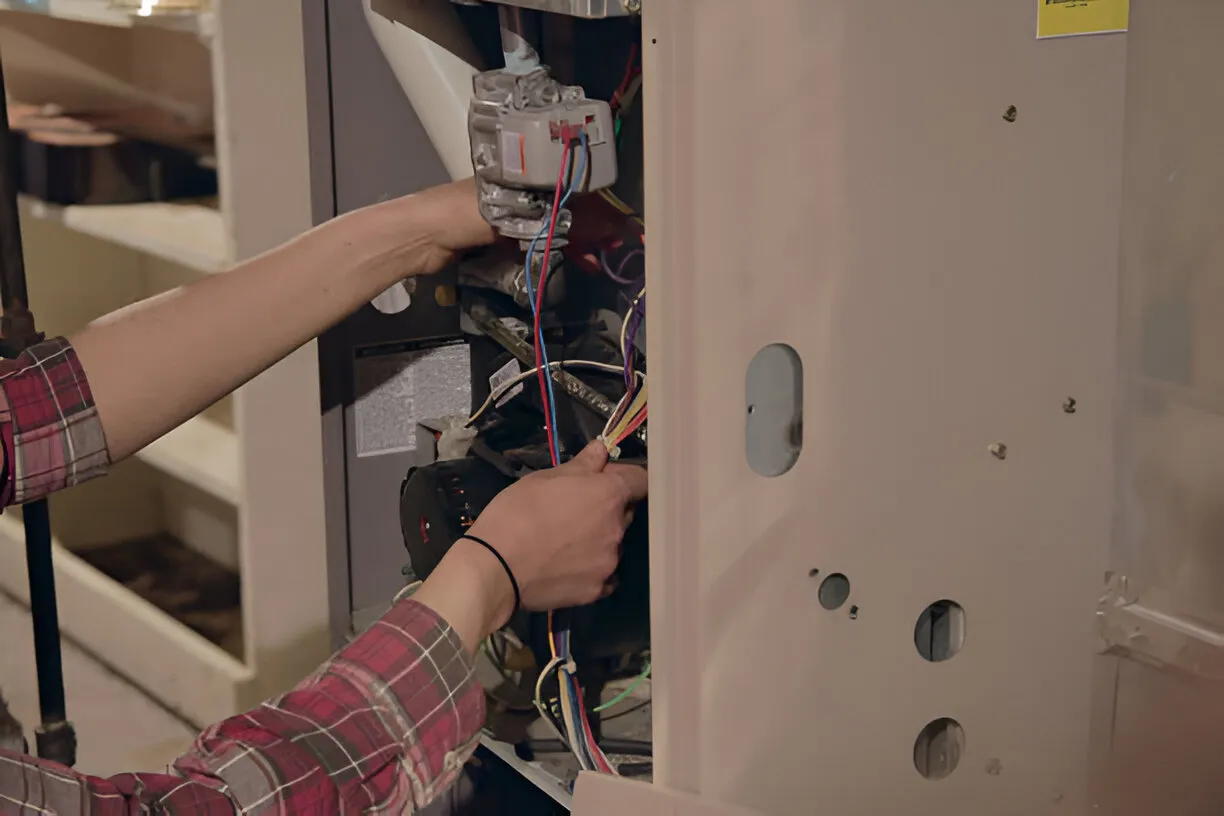
Common furnace problems in Minerva Park homes
- Dirty air filters and restricted airflow that reduce efficiency and strain the blower motor
- Ignition or pilot problems caused by soot buildup, age, or faulty controls
- Worn belts, bearings, or motors leading to noise, reduced output, or failure
- Dust and debris on heat exchangers and burners that lower combustion efficiency
- Poor thermostat calibration or loose electrical connections causing short cycling
- Duct leaks and poor insulation that waste heat and increase runtime
These issues are more likely to cause trouble during Minerva Park’s prolonged heating season, when furnaces run longer and small problems accelerate.
What a furnace tune-up appointment includes (step-by-step checklist)
A thorough tune up follows a standard checklist to ensure no critical item is missed. Typical steps performed during the appointment include:
1. Initial system review
- Confirm furnace model, age, service history, and any owner-observed issues
- Record thermostat settings and basic operating behavior
2. Safety shutdown and inspection
- Turn off power and gas where required
- Inspect flue, venting, and combustion area for obstructions or corrosion
3. Air filter and airflow check
- Inspect and replace or recommend replacement of the air filter
- Measure blower performance and check air handler access for debris
4. Combustion and burner service
- Clean burners and inspect for proper flame pattern
- Check pilot assembly or ignition system and clean if needed
5. Heat exchanger and combustion chamber inspection
- Inspect for cracks, corrosion, or soot accumulation that can indicate trouble
- Clean surfaces to restore heat transfer efficiency
6. Electrical and control checks
- Tighten electrical connections, inspect relays and contactors
- Test safety switches and limit controls
7. Blower and motor maintenance
- Clean blower wheel, lubricate bearings if applicable, and test motor amperage
- Verify belt condition and tension on older systems
8. Gas pressure and fuel system check
- Verify proper gas pressure and inlet connections where accessible
- Check for leaks and confirm burner sequencing
9. System ignition and cycling tests
- Start system and monitor for proper ignition, run sequence, and shutdown
- Check for short cycling or delayed ignition signs
10. Final performance verification
- Measure temperature split across the heat exchanger, check flue temperature, and confirm stable operation
- Leave a summary of findings and recommended repairs or replacements
Cleaning and adjustment tasks performed
- Replace or recommend the correct air filter for indoor air quality and airflow
- Vacuum and brush burners, combustion chamber, and accessible heat exchanger surfaces
- Clean the blower wheel and housing to restore airflow efficiency
- Adjust burner orifice alignment and flame sensor cleaning to ensure reliable ignition
- Tighten, secure, and label electrical wiring and terminal connections
- Lubricate motors and moving parts where manufacturer allows
These tasks reduce friction, improve heat transfer, and return the system to manufacturer tolerances.
Performance and safety tests
- Combustion and CO check (where equipment and local codes allow) to confirm safe combustion and no dangerous carbon monoxide levels
- Temperature rise and supply-return temperature differential to confirm heating capacity
- Static pressure and airflow verification to ensure ducts and blower are balanced
- Operational cycle monitoring to observe startup, run time, and shutdown behavior
- Safety control testing (limit switches, pressure switches, rollout switches) to ensure all protective devices trip properly
Documenting these tests provides evidence the system is both efficient and safe for continued operation.
Expected outcomes after a professional tune up
- Improved energy efficiency and lower fuel use through cleaner burners and better airflow
- More consistent home temperature and reduced short cycling
- Quieter operation from properly adjusted motors and secured components
- Extended equipment life by preventing excessive wear on parts
- Reduced risk of emergency breakdowns during peak cold spells
Homeowners in Minerva Park often notice quicker heat recovery on cold mornings and fewer temperature swings after a full service.
Recommended frequency
- Annual furnace tune up is recommended as a baseline for most gas and oil furnaces, performed before the heating season begins.
- Homes with older equipment (10+ years), high usage, or residents with respiratory concerns may benefit from semi-annual checks.
- Systems in dusty environments or homes with pets may need more frequent filter changes and inspections.
Regular scheduling ensures issues are caught early and seasonal wear is addressed before it leads to failure.
How tune-ups reduce the risk of emergency failures
A tune up identifies worn components, electrical hotspots, and unsafe combustion conditions that commonly cause sudden breakdowns. By cleaning ignition components and burners, adjusting airflow, and verifying controls, techs eliminate many root causes of no-heat calls. Replacing a filter, tightening an electrical connection, or identifying a failing capacitor during maintenance avoids the chain reaction that leads to a costly emergency repair during freezing weather.
Minerva Park-specific considerations and maintenance tips
- Central Ohio winters and freeze-thaw cycles increase run time and stress on older furnaces. Prioritize a pre-winter tune up.
- If your Minerva Park home has an older duct system or uninsulated crawlspace, mention drafts and uneven heating to the technician; airflow balancing can make a noticeable difference.
- Consider a higher-efficiency filter and checking humidification in very dry winter months to improve comfort and reduce static electricity.
Regular tune ups are an investment in safety, reliability, and long-term savings. For Minerva Park homeowners who depend on consistent winter comfort, a professional furnace tune up reduces surprises, improves efficiency, and helps keep your heating system performing at its best throughout the season.
Hot Deals & Cool Savings

.webp)
New Service Agreement Membership
.webp)
Any New Client Service
Next Service for Referring a New Client
New Service Agreement Membership
Any New Client Service
Next Service for Referring a New Client
.webp)
.webp)

Service Areas
