
Heating Replacement in Hilltop, OH
Discover heating replacement in Hilltop, OH to boost comfort and lower bills. Learn signs, options, costs, incentives, and financing.

Heating Replacement in Hilltop, OH
Replacing an outdated or failing heating system is one of the most effective ways to restore comfort, cut winter energy bills, and reduce the risk of mid-season breakdowns in Hilltop, OH homes. With cold central Ohio winters and many houses in the Hilltop neighborhood built several decades ago, aging furnaces, undersized equipment, and worn ductwork are common.
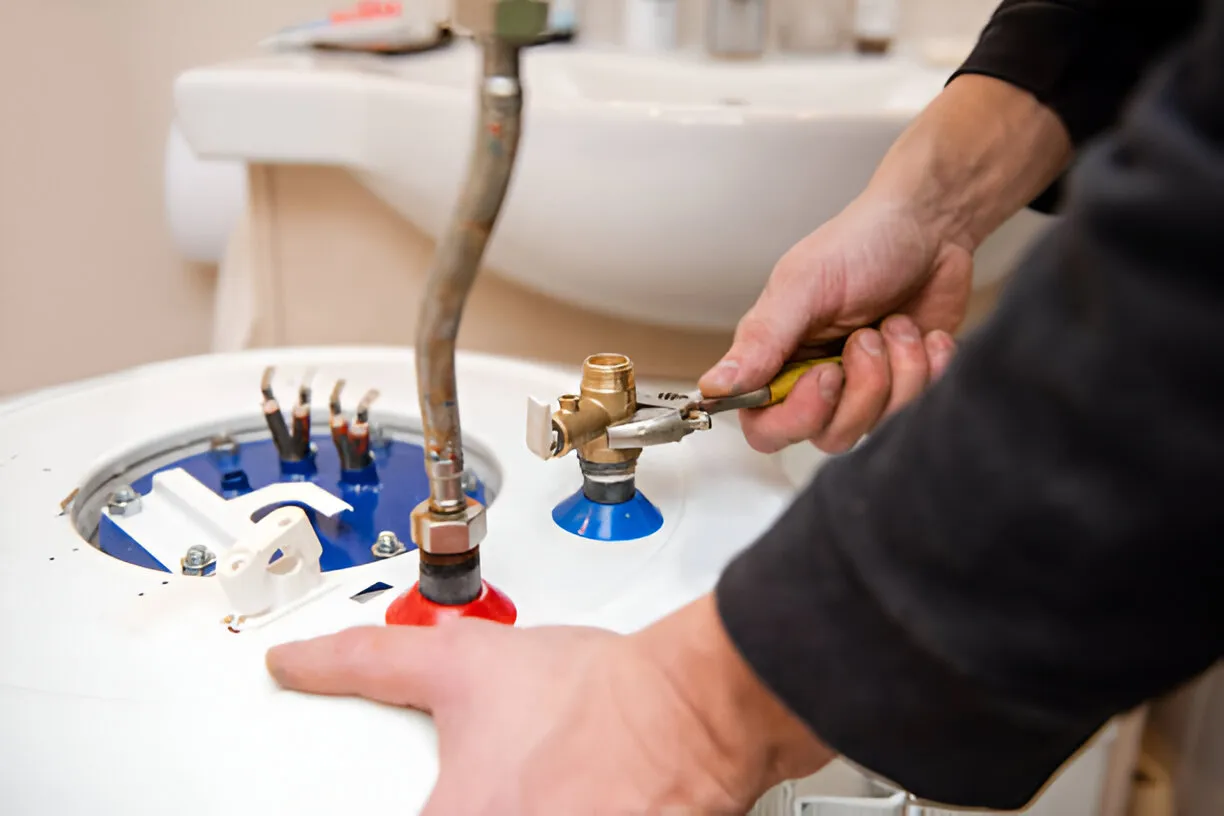
Signs it’s time to replace your heating system
Knowing when to replace a heater can protect you from sudden failures and rising operating costs. Common replacement indicators for Hilltop homes include:
- Frequent repairs. If service calls are getting routine rather than occasional, replacement often makes more financial sense than continuing repairs.
- Age of the system. Furnaces and boilers past their expected service life are less reliable and less efficient, especially in older Hilltop houses.
- Rising energy bills. A steady increase in heating costs with no change in usage often points to declining equipment efficiency.
- Uneven heating and comfort complaints. Older systems, undersized equipment, or leaky ducts can cause cold spots in basements or upper floors common in local two-story and split-level homes.
- Safety or indoor air quality concerns. Frequent carbon monoxide or combustion-related warnings, rust, or visible leaks indicate the system should be replaced, not patched.
- Noisy operation and frequent cycling. Excessive noise, short cycling, or inability to maintain set temperatures suggest underlying failure or poor sizing.
Comparing high-efficiency models for Hilltop, OH
When replacing heating equipment, you’ll choose between several modern options. Each has strengths depending on your home’s layout, fuel availability, and comfort priorities.
- High-efficiency gas furnaces (AFUE-rated).
- Pros: Reliable in cold Ohio winters, strong heating capacity, quick recovery.
- Considerations: Look for variable-speed blowers and modulating burners for quieter, more consistent heat. Proper sizing and ductwork condition matter for achieving efficiency gains.
- Heat pumps (air-source and ductless).
- Pros: High efficiency for much of the year and excellent for lowering energy use when paired with electric rates and home insulation improvements.
- Considerations: Cold-climate heat pumps and dual-fuel systems perform well in Columbus-area winters, but older, poorly insulated homes may still need supplemental heat.
- Boilers and condensing boilers.
- Pros: Great for homes with existing hydronic systems (radiators or in-floor heating); condensing models extract extra heat for improved efficiency.
- Considerations: Boiler replacement can be more complex if conversion from a furnace system is necessary.
- Hybrid or dual-fuel systems.
- Pros: Combine a heat pump with a gas furnace to optimize efficiency across temperature ranges—useful in central Ohio’s variable winter conditions.
A professional home heating load calculation (Manual J) will determine the right type and size. Selecting the right system, not just the highest efficiency rating, is the key to long-term comfort and value.
What affects cost and how to evaluate ROI
Rather than looking only at upfront cost, evaluate replacement as a long-term investment in comfort, safety, and energy savings. Key factors that influence cost and ROI:
- Equipment type and efficiency rating. Higher-efficiency models cost more up front but can deliver significant savings over time in fuel and utility bills.
- System size and complexity. Larger homes, multi-zone systems, or conversions between fuel types require more labor and materials.
- Ductwork condition and modifications. Sealing, insulating, or resizing ducts improves system performance but raises initial project scope.
- Installation quality. Proper installation by licensed technicians preserves efficiency and reliability; poor installation erodes expected savings.
- Local fuel and electricity prices. Changes in natural gas and electricity costs in Ohio influence payback timelines.
- Home envelope improvements. Adding insulation or sealing air leaks at the same time amplifies the efficiency gains from a new system.
Evaluate ROI by comparing projected annual energy savings, reduced repair costs, improved comfort, and equipment lifespan. A well-sized, high-efficiency system plus proper ductwork and insulation typically yields the best long-term value for Hilltop homes.
Removal and disposal of old equipment
Safe, compliant removal is part of any professional heating replacement:
- Disconnect and safety checks. Technicians safely shut off fuel, electricity, and water connections, and verify no hazards before removal.
- Refrigerant and hazardous material handling. If replacing a heat pump or equipment containing refrigerant, EPA-compliant recovery is required. Combustion appliances are handled per safety regulations.
- Recycling and disposal. Metal, copper, and electronic components are recycled where possible; older equipment that contained regulated materials is disposed of according to Ohio and local Columbus-area regulations.
- Permits and inspections. Local building permits and final inspections may be required for replacements involving fuel lines, venting, or major duct changes.
Proper removal protects your property and ensures legal compliance while minimizing environmental impact.
Typical timeline for a replacement project
Project duration depends on complexity. A straightforward like-for-like furnace replacement in a typical single-family Hilltop home often fits into a single workday with a daytime install and testing. More complex projects—such as switching from a furnace to a heat pump, adding zoning, replacing ducts, or installing a boiler—can take multiple days to complete. Permit processing and scheduling inspections can extend timelines, so planning with your installer is important for an accurate schedule.
Incentives and financing options to ease the upgrade
Upgrading to a high-efficiency system can be made more attainable by leveraging incentives and financing commonly available in Ohio:
- Utility rebates and local incentive programs. Energy providers and municipal programs often offer rebates for qualifying high-efficiency equipment, smart thermostats, or home performance upgrades.
- State and federal tax programs. Certain energy-efficient heating equipment and electrification upgrades may qualify for tax credits or incentives — check current eligibility rules for Ohio homeowners.
- Manufacturer and dealer promotions. Occasional rebates or bundled discounts on equipment and accessories can reduce net cost.
- Financing and loan options. Many homeowners use low-interest financing, home improvement loans, or energy-efficiency financing programs to spread the investment over time.
- Property-assessed or PACE-style programs. For larger retrofits, some areas offer financing repaid through property tax assessments.
Ask about available local and statewide programs to understand eligibility and documentation requirements when planning a replacement.
Final considerations and maintenance advice
Replacing your heating system is a major home investment that improves year-round comfort and can reduce long-term costs when done right. For Hilltop homes, pay special attention to system sizing, ductwork condition, and the interaction between the new system and home insulation. After replacement, enroll in a regular maintenance plan to preserve efficiency, extend equipment life, and catch issues early. Routine maintenance and timely upgrades to controls (like programmable thermostats) maximize the returns from your new heating system and keep your home comfortable through Ohio winters.
Hot Deals & Cool Savings

.webp)
New Service Agreement Membership
.webp)
Any New Client Service
Next Service for Referring a New Client
New Service Agreement Membership
Any New Client Service
Next Service for Referring a New Client
.webp)
.webp)

Service Areas
