
Furnace Tune-Up in Hilltop, OH
Furnace tune up in Hilltop, OH delivers safer, more efficient heating. Schedule professional service for reliable comfort this season.

Furnace Tune Up in Hilltop, OH
A regular furnace tune up is one of the most cost-effective ways to keep your Hilltop, OH home warm, safe, and energy efficient through cold Central Ohio winters. A professional tune up is more than a quick check — it is a systematic inspection, cleaning, and testing process that restores performance, uncovers small problems before they become breakdowns, and helps your furnace operate reliably when temperatures drop.
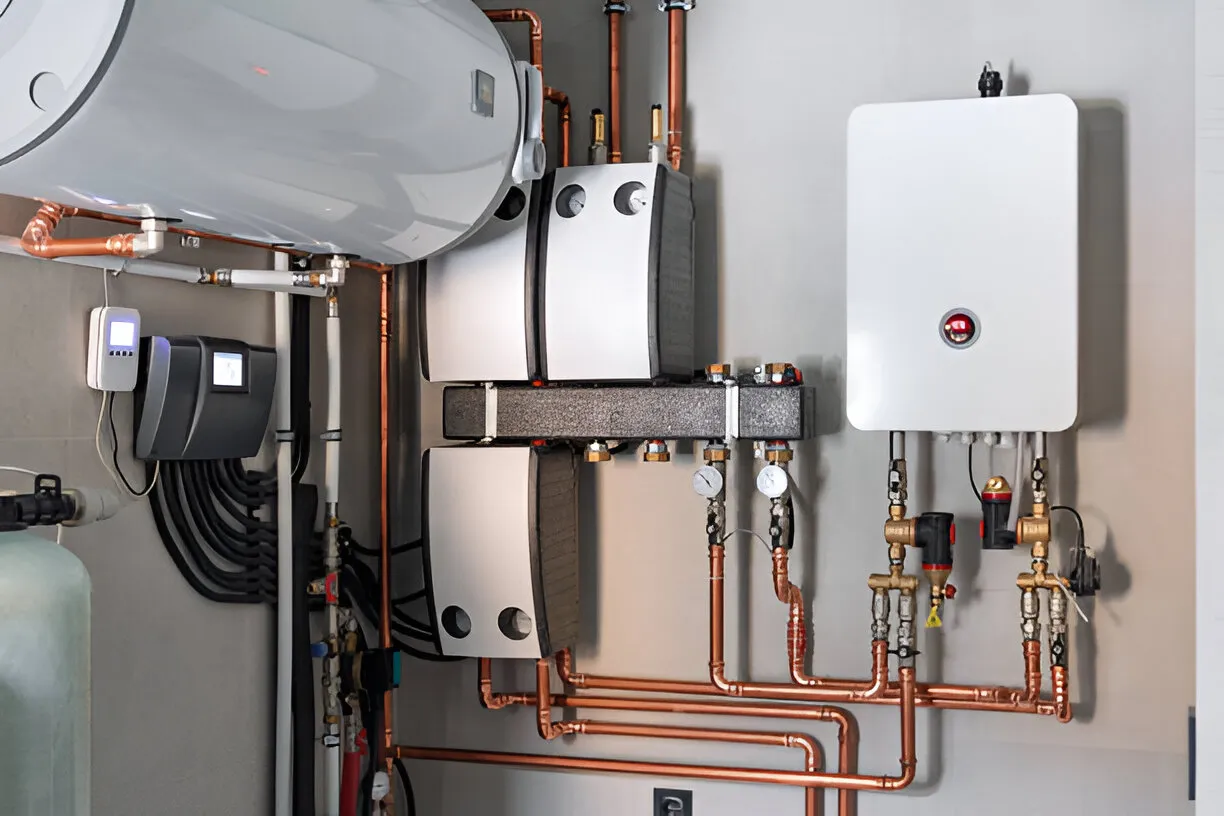
Why a Hilltop furnace tune up matters
Hilltop homes face cold, damp winters and occasional heavy freezes. Older homes in the neighborhood often have older heating equipment or longer duct runs that increase the strain on a furnace. A tune up addresses those local challenges by improving heat delivery, reducing fuel use, and lowering the chance of mid-winter failures when service is in high demand. Regular maintenance also reduces safety risks like incomplete combustion and carbon monoxide exposure.
Common furnace problems seen in Hilltop homes
- Reduced heat output or uneven heating across rooms
- Rising energy bills during the heating season
- Frequent short cycling (furnace turns on and off rapidly)
- Strange sounds: rattling, squealing, or rumbling at startup
- Yellow or lazy burner flame instead of steady blue flame
- Soot buildup or visible dust coming from vents
- Persistent thermostat or control board errors
What a standard furnace tune up covers (step-by-step)
A thorough tune up follows a consistent checklist so nothing is missed. Technicians performing a professional furnace tune up in Hilltop, OH typically perform these tasks:
- Pre-inspection and safety checks
- Visual inspection of the entire furnace cabinet, venting, and surrounding area for obvious issues.
- Check for gas leaks or unusual smells.
- Verify carbon monoxide alarm status if present.
2. Filter and airflow verification
- Inspect and replace or recommend replacing disposable filters.
- Check blower assembly, motor, and wheel for dust, balance, and proper rotation.
- Verify air return and supply paths, and recommend duct inspection if airflow is restricted.
3. Cleaning burners, ignition, and heat transfer surfaces
- Clean burners and burner ports to restore proper flame pattern.
- Clean the combustion chamber and heat exchanger surfaces to improve heat transfer.
- Remove dust and debris from coils and internal components.
4. Ignition, controls, and safety device testing
- Test ignition system (hot surface ignitor or pilot) and flame sensors.
- Inspect and test safety switches, limit controls, and pressure switches.
- Verify proper operation of the thermostat and control board.
5. Combustion and performance checks
- Observe burner flame quality and color to confirm efficient combustion.
- Measure temperature rise across the heat exchanger to ensure correct heat transfer.
- Check system startup and shutdown sequences for proper timing and control.
6. Venting and exhaust inspection
- Inspect flue pipe and chimney connections for corrosion, blockage, or improper draft.
- Verify vent termination outside the home is clear of debris or pests.
7. Mechanical adjustments and lubrication
- Tighten electrical connections, inspect wiring for wear, and secure panels.
- Lubricate moving parts where applicable (blower motor bearings, fans).
- Check belts and pulleys if present for wear and tension.
8. Final system evaluation and recommendations
- Record key performance readings and note any repairs or parts that may be needed soon.
- Provide homeowner-friendly explanations of findings and recommended next steps.
Expected benefits after a professional tune up
- Improved fuel efficiency and lower heating bills due to cleaner burners and proper calibration
- Fewer unexpected breakdowns in the coldest months because weak components are identified early
- Longer equipment life through reduced wear and correct adjustments
- Safer operation with checks on combustion, venting, and CO risk factors
- More consistent comfort with improved airflow and balanced heat distribution
- Compliance with many manufacturer maintenance requirements to preserve warranty coverage
How long a tune up takes and recommended frequency
- Typical time: 45 to 90 minutes for a single-unit residential furnace, depending on age and condition.
- Recommended frequency: annually, ideally in late summer or early fall (September to early October) before Hilltop temperatures require full heating. Annual service is especially important for older systems or homes with pets, smokers, or high dust levels.
Signs you should book a tune up now
- Furnace is making new or louder noises
- Heating bills spike without an increase in usage
- Rooms are colder than usual or unevenly heated
- Furnace is more than 10 years old and has not had recent maintenance
- Visible soot, yellow flame, or frequent cycling
Minor DIY checks you can do before professional service
- Replace or clean the furnace filter monthly during heavy use months
- Keep the area around the furnace clear of clutter and combustibles
- Ensure outside vent terminations are clear of leaves, snow, or debris
- Test home carbon monoxide detectors monthly
Long-term maintenance strategy for Hilltop homeowners
- Annual professional tune up every fall to prepare for winter demand
- Change filters regularly — higher MERV filters can improve indoor air quality but may need more frequent replacement or blower inspection
- Consider a maintenance agreement for scheduled visits and potential priority scheduling during cold snaps
- If your home has older ducts, plan an air duct inspection or cleaning every few years to preserve airflow and indoor air quality
A well-executed furnace tune up gives Hilltop homeowners confidence that their heating system will operate efficiently and safely through winter. Regular tune ups reduce the chance of emergency repairs, help control operating costs, and keep household comfort consistent when temperatures drop.
Hot Deals & Cool Savings

.webp)
New Service Agreement Membership
.webp)
Any New Client Service
Next Service for Referring a New Client
New Service Agreement Membership
Any New Client Service
Next Service for Referring a New Client
.webp)
.webp)

Service Areas
