
Heating Installation in Hilltop, OH
Hilltop, OH heating installation experts: from assessment and load calculations to furnace, boiler, or heat pump installation. Learn more.

Heating Installation in Hilltop, OH
Replacing or installing a new heating system is one of the most important home investments you can make in Hilltop, OH. Winters in the Columbus area bring prolonged cold, intermittent snow, and damp conditions that make reliable, efficient heat essential for comfort and energy savings.
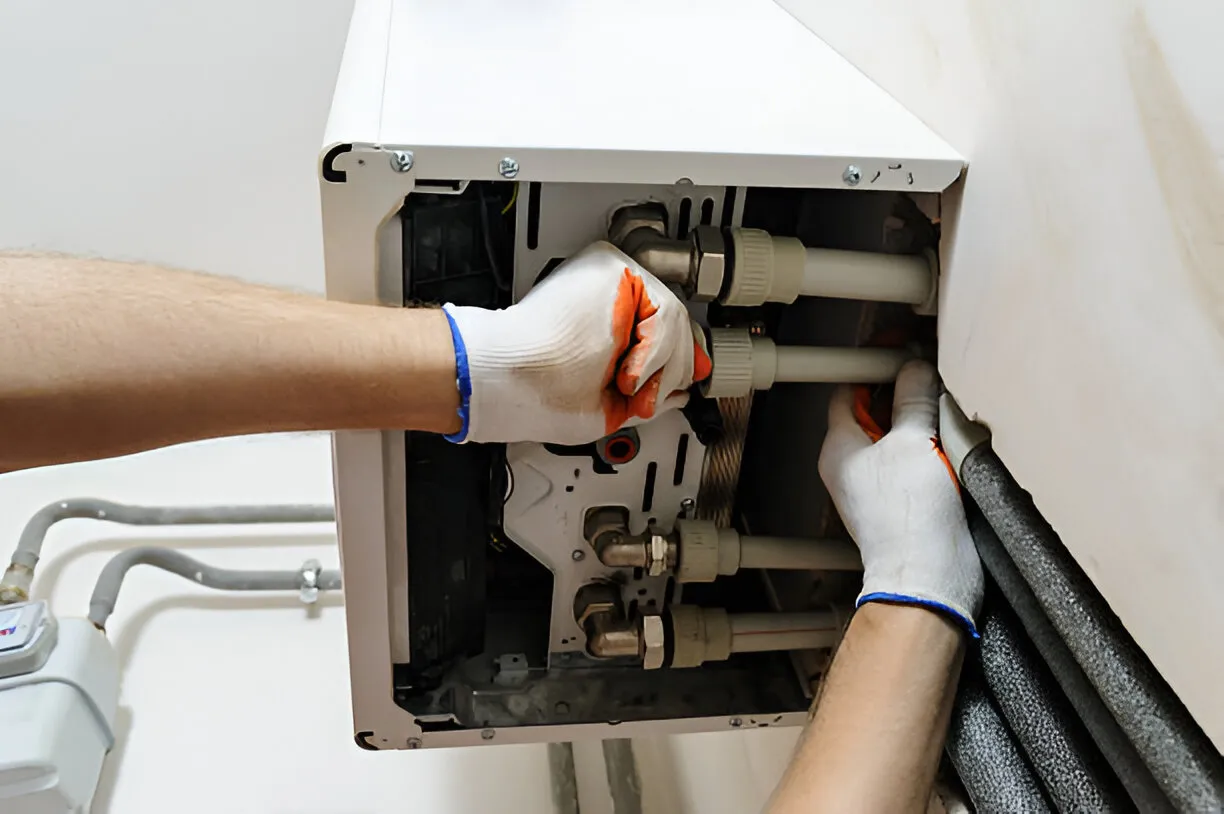
Why a proper heating installation matters in Hilltop, OH
Hilltop includes a mix of older and mid-century homes, many with existing ductwork or hydronic systems. Improperly sized equipment or rushed installs commonly cause:
- Short cycling, higher energy bills, and uneven rooms
- Premature component failure and more frequent repairs
- Poor indoor air quality when ductwork is not sealed or balanced
A correct installation tailored to your home’s layout, insulation, and local climate prevents these problems and ensures reliable heat during Columbus winters.
Common heating installation needs in Hilltop
- Furnace installation in Hilltop homes (gas or electric) for homes with existing forced-air systems
- Boiler installation for hydronic/radiator systems in older houses or additions
- Heat pump installation and ductless heat pump systems for high-efficiency heating and cooling, including cold-climate air-source models
- Conversion from boiler to forced air or hybrid systems requiring duct design or radiator removal
- Ductwork replacement, sealing, and airflow balancing for older or leaky systems
Home assessment and load calculations
A professional installation starts with a thorough home assessment. Key elements include:
- Evaluating insulation, windows, orientation, and air leakage to determine heat loss
- Measuring room-by-room heat requirements using a Manual J load calculation so the system is sized correctly
- Inspecting and testing ducts, vents, and existing distribution to determine if Manual D duct design or repairs are needed
- Considering hot water heating needs and plumbing layout for boiler installations
Accurate load calculations avoid oversizing (which wastes energy and leads to short cycling) and undersizing (which leaves rooms cold). For Hilltop homes with older insulation or drafty windows, the calculation often reveals higher heating demand than a simple rule-of-thumb would show.
Equipment selection: furnaces, boilers, and heat pumps
Choosing the right equipment depends on your home type, fuel availability, and efficiency goals.
Furnaces
- Gas furnaces are common in the area and offer strong heating capacity; look for high AFUE ratings for efficiency
- Electric furnaces or air handlers paired with heat pumps are options where natural gas is not available
- Consider two-stage or modulating furnaces to improve comfort and reduce cycling
Boilers
- Best for homes with existing radiators or in-floor hydronic systems
- Modern condensing boilers offer higher efficiency, especially in homes with low return-water temperatures
- Boiler installation may require updates to piping, expansion tanks, and controls
Heat pumps
- Cold-climate air-source heat pumps now perform well in Ohio winters and can replace a furnace while providing air conditioning in summer
- Ductless mini-splits are ideal for additions, finished basements, or homes without ducts
- Hybrid systems (heat pump + backup gas furnace) combine efficiency with reliable cold-weather performance
When selecting equipment, consider lifecycle cost, local fuel prices, and whether you want advanced controls or zoning.
Professional installation steps
A professional installation follows a clear sequence to deliver safe, efficient performance:
- Pre-install inspection and load calculation verification
- Removal and safe disposal of old equipment and any hazardous materials
- Structural preparation: framing, venting pathways, and placement for clearances
- Ductwork modifications, sealing, or new duct design if required
- Gas line, combustion air, or electrical wiring installed to code by licensed trades
- Equipment mounting and connection to distribution system (ducts, radiators, or refrigerant lines)
- Startup, calibration, and system commissioning: airflow balancing, combustion testing for gas equipment, refrigerant charging for heat pumps
- Safety testing and final inspections
- Owner walkthrough and documentation delivery: manuals, warranty information, and maintenance recommendations
Typical installations can range from a day for simple furnace swaps to several days when ductwork or boiler piping must be replaced.
Permits, inspections, and licensing in Hilltop and Ohio
Heating installations in Hilltop fall under Columbus and Franklin County permitting and Ohio mechanical codes. Important points:
- Mechanical or HVAC permits are normally required for furnace, boiler, and heat pump replacements or system changes
- Gas line and combustion appliance installations typically require separate permits and post-installation inspections
- Electrical work may require an electrical permit and inspection if new circuits or disconnects are added
- Installers should be properly licensed and bonded under Ohio regulations; verify credentials and proof of insurance
- Final municipal inspections confirm safe venting, combustion performance, and code compliance
Following permitting and inspection processes protects homeowners, preserves resale value, and ensures insurance compliance.
Warranty, registration, and post-install support
Understand two warranty layers:
- Manufacturer warranty: covers major components (compressors, heat exchangers) and varies by brand and model; many high-efficiency units include limited-time parts and conditional labor coverage
- Installer warranty: covers workmanship and installation-related issues for a specified period
Best practices after installation:
- Register manufacturer warranties promptly, as some require registration within a set timeframe
- Keep a copy of permits, inspection reports, and startup documentation
- Enroll in a maintenance plan to maintain warranty validity and maximize equipment life
Financing and rebates available to Hilltop homeowners
Affordable options often exist to make high-efficiency systems more attainable:
- Federal tax credits and incentives sometimes apply to qualifying heat pumps and energy-efficient equipment
- Local utility rebates (from electric or gas providers serving Columbus) may offer incentives for high-efficiency heat pumps, condensing furnaces, or weatherization upgrades
- State or regional energy programs can provide rebates or low-interest loans for energy upgrades
- Financing through lender programs, home improvement loans, or equipment financing plans may be available to spread costs
Ask your chosen contractor or check local utility resources for up-to-date rebate and tax incentive eligibility before final equipment selection, as certain models or installation practices are required.
Benefits of a professional, code-compliant installation and maintenance tips
A correctly installed system delivers:
- Steadier indoor temperatures and improved comfort throughout the home
- Lower utility bills with properly sized, high-efficiency equipment
- Fewer emergency repairs and longer equipment life
To protect your investment:
- Schedule seasonal maintenance, including filter changes, combustion checks, and airflow testing
- Seal and insulate ducts and key distribution points
- Upgrade thermostats to programmable or smart models to optimize runtime
A professional installation combined with routine maintenance is the most reliable way to ensure comfortable, efficient heating for Hilltop homes through winter and long-term performance.
Hot Deals & Cool Savings

.webp)
New Service Agreement Membership
.webp)
Any New Client Service
Next Service for Referring a New Client
New Service Agreement Membership
Any New Client Service
Next Service for Referring a New Client
.webp)
.webp)

Service Areas
