
Heating Replacement in German Village, OH
Heating replacement options in German Village, OH, with high-efficiency systems, installation, costs, and financing to maximize comfort.

Heating Replacement in German Village, OH
Replacing a heating system is one of the most impactful upgrades you can make for comfort, safety, and long-term energy savings in German Village homes. Older furnaces and boilers that struggle through Columbus winters can drive up utility bills, create uneven temperatures in historic rowhouses, and risk breakdowns at the worst times.
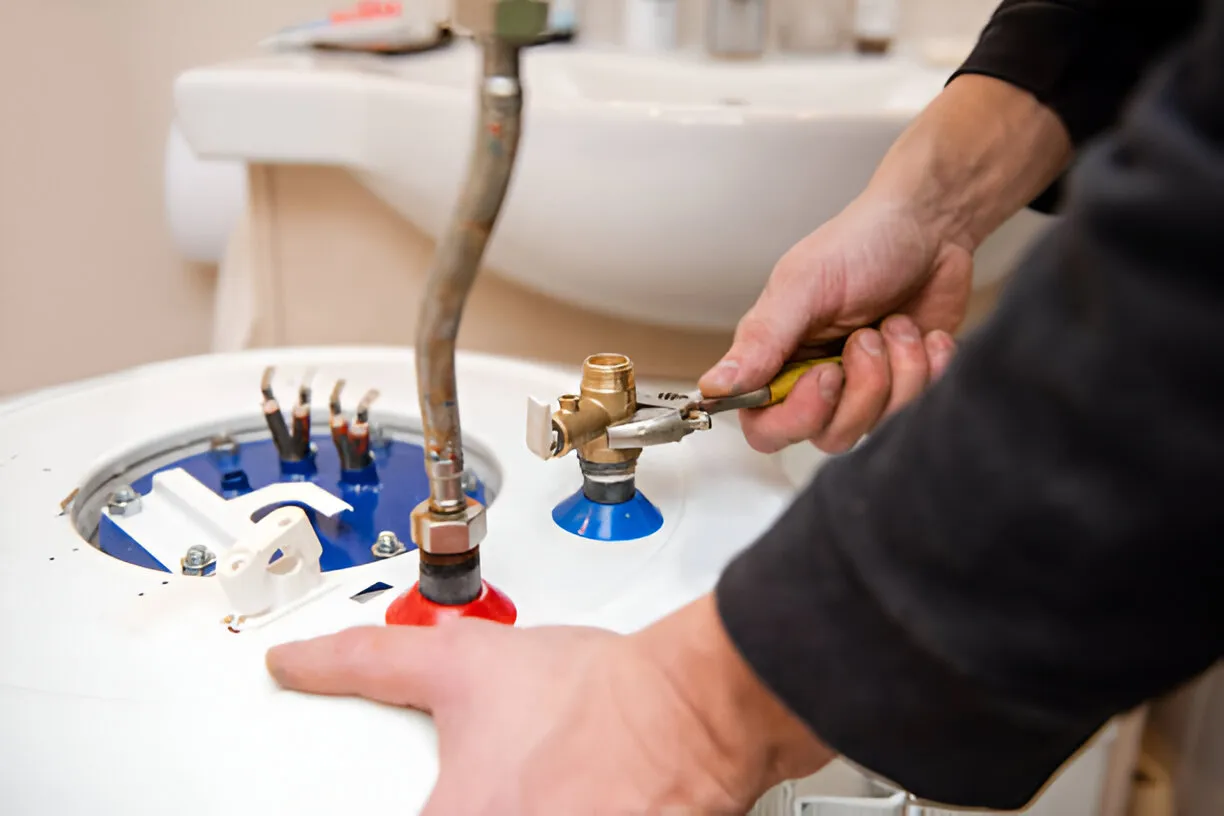
When to Replace Your Heating System
Replace your heating system when you see consistent signs that point beyond repair:
- Frequent breakdowns or rising repair frequency
- Furnace or boiler age: many systems older than 15-20 years are good candidates for replacement
- Noticeable efficiency loss or sudden spikes in heating bills
- Persistent cold spots, poor humidity control, or noisy operation
- Safety concerns such as cracked heat exchangers, persistent carbon monoxide alarms, or fuel leaks
- Incompatibility with modern controls or poor ductwork performance
In German Village, many homes are older, with tight basements, radiators, or compact utility spaces. Those conditions make proper sizing, venting, and system type especially important when deciding on replacement.
Common Heating Replacement Types in German Village
Historic and varied housing in German Village means several replacement options are common:
- High-efficiency gas furnaces (condensing, AFUE 90%+): good for homes with existing gas lines and forced-air systems
- Boilers (modern condensing or modulating boilers): often ideal for homes with radiators or hydronic baseboards
- Cold-climate heat pumps and ductless mini-splits: increasingly viable for Ohio winters and excellent for homes without ductwork
- Hybrid systems: pairing a heat pump with a high-efficiency furnace for optimized seasonal performance
- Full system conversions: for homes switching fuel types or converting from boilers to forced-air or vice versa
Each option has tradeoffs for installation complexity, space needs, and long-term operating costs, especially in older German Village structures with preservation constraints or limited exterior placement options.
How Replacement Is Diagnosed and Recommended
A proper replacement recommendation is based on more than age. Expect a professional process that includes:
- Home heating load calculation (Manual J) to size equipment accurately
- Inspection of existing distribution (ductwork or piping), insulation, and ventilation
- Evaluation of combustion safety, chimney or vent conditions, and fuel source
- Discussion of long-term goals: improved comfort, lower bills, quieter operation, or zoning control
Accurate sizing avoids short-cycling and inefficiency that are common when old units are simply swapped for oversized replacements.
Comparing Modern High-Efficiency Systems
When evaluating modern systems for German Village homes, consider these benefits and limitations:
- High-efficiency condensing furnaces and boilers: provide significantly higher AFUE than older models, reduce fuel consumption, and offer tighter combustion controls. Require proper venting and, for boilers, often fit well where radiators remain.
- Heat pumps (air-source or cold-climate): deliver excellent efficiency and cooling with a single system. Newer models perform well in colder temperatures and can reduce reliance on fossil fuels. May require supplemental heat in extreme cold depending on model and home insulation.
- Ductless mini-splits: minimal disruption to historic interiors, provide room-by-room zoning, and are good for additions or homes without ductwork.
- Smart zoning and controls: modern thermostats and zoning dampers improve comfort while reducing runtime and costs.
Choosing the right technology is balancing upfront investment, space constraints in German Village homes, and the typical Columbus heating season where cold winters make heating efficiency a priority.
Cost vs Savings Analysis (what to expect)
While upfront investment varies by system and home specifics, replacement produces predictable benefits:
- Reduced monthly heating bills due to higher efficiency and better control
- More consistent comfort and fewer repairs, lowering maintenance costs over time
- Improved home value and longer system lifespan backed by modern warranties
- Potential eligibility for utility rebates and federal or state energy incentives that improve return on investment
Typical efficiency gains can lead to a meaningful reduction in fuel use compared with decades-old equipment. A careful estimate will include projected energy savings over the expected life of the new system and how those savings compare to the initial cost, helping you choose the right balance of upfront expense and long-term benefit.
Removal and Disposal of Old Equipment
Proper removal protects your home and the environment:
- Old furnaces, boilers, and heat pumps are safely disconnected and removed with attention to combustion fuel shutoff and refrigerant recovery where applicable
- Oil tanks, if present, require specialized handling and code-compliant decommissioning
- Refrigerants from heat pumps are recovered and recycled per environmental regulations
- Units and components are recycled or disposed of according to local disposal rules and waste codes
Historic neighborhoods like German Village may have additional requirements for exterior work or visible equipment, so removal and replacement plans account for preservation considerations and permitting.
Typical Installation Process
A professional replacement generally follows these steps:
- Pre-install assessment and system selection based on load calculations
- Removal and safe disposal of existing equipment
- Any necessary duct or hydronic piping upgrades, including sealing and insulation
- Installation of new equipment, proper venting, and condensate management
- Electrical and gas connections, plus combustion and safety testing
- Commissioning and demonstration of system operation and controls
Installations in German Village often require extra planning for vehicle access, staging in narrow streets, or working within older foundations and tight mechanical rooms.
Financing and Incentives
Many homeowners use financing to align replacement costs with long-term savings. Typical options include:
- Flexible financing plans that spread payments over months or years
- Manufacturer promotions that reduce equipment costs
- Utility rebates or local incentives for high-efficiency equipment and heat pumps
- Federal or state tax incentives when applicable for energy-efficient upgrades
Availability and terms vary, and pairing incentives with the right system choice often improves payback timelines.
Expected Performance Improvements and Maintenance
After replacement you can expect:
- Quieter operation, faster warm-up, and more even temperatures
- Improved indoor air quality with upgraded filtration and sealed ductwork
- Better humidity control and comfort during cold Columbus winters
- Lower energy use, fewer emergency repairs, and longer expected service life
Regular maintenance, such as annual tune-ups and filter changes, preserves efficiency and protects warranties.
Replacing your heating system in German Village, OH is an investment in comfort, safety, and long-term savings. Thoughtful equipment selection, careful sizing, and compliant installation that respects historic home constraints deliver the most reliable results and the best return over time.
Hot Deals & Cool Savings

.webp)
New Service Agreement Membership
.webp)
Any New Client Service
Next Service for Referring a New Client
New Service Agreement Membership
Any New Client Service
Next Service for Referring a New Client
.webp)
.webp)

Service Areas
