
Furnace Tune-Up in German Village, OH
Furnace tune up in German Village, OH keeps your heating safe and efficient this winter. Schedule service now to protect warranties and avoid costly outages.

Furnace Tune Up in German Village, OH
A furnace tune up is a focused inspection and adjustment that keeps your heating system safe, reliable, and efficient during Columbus area winters. In German Village, where many homes are historic brick houses with older duct layouts and tighter building envelopes, a professional tune up prevents breakdowns on the coldest nights, helps protect warranties, and reduces energy waste. Below is a clear guide to what a tune up includes, why it matters for German Village homes, how the service is performed, and how it fits into routine maintenance plans.
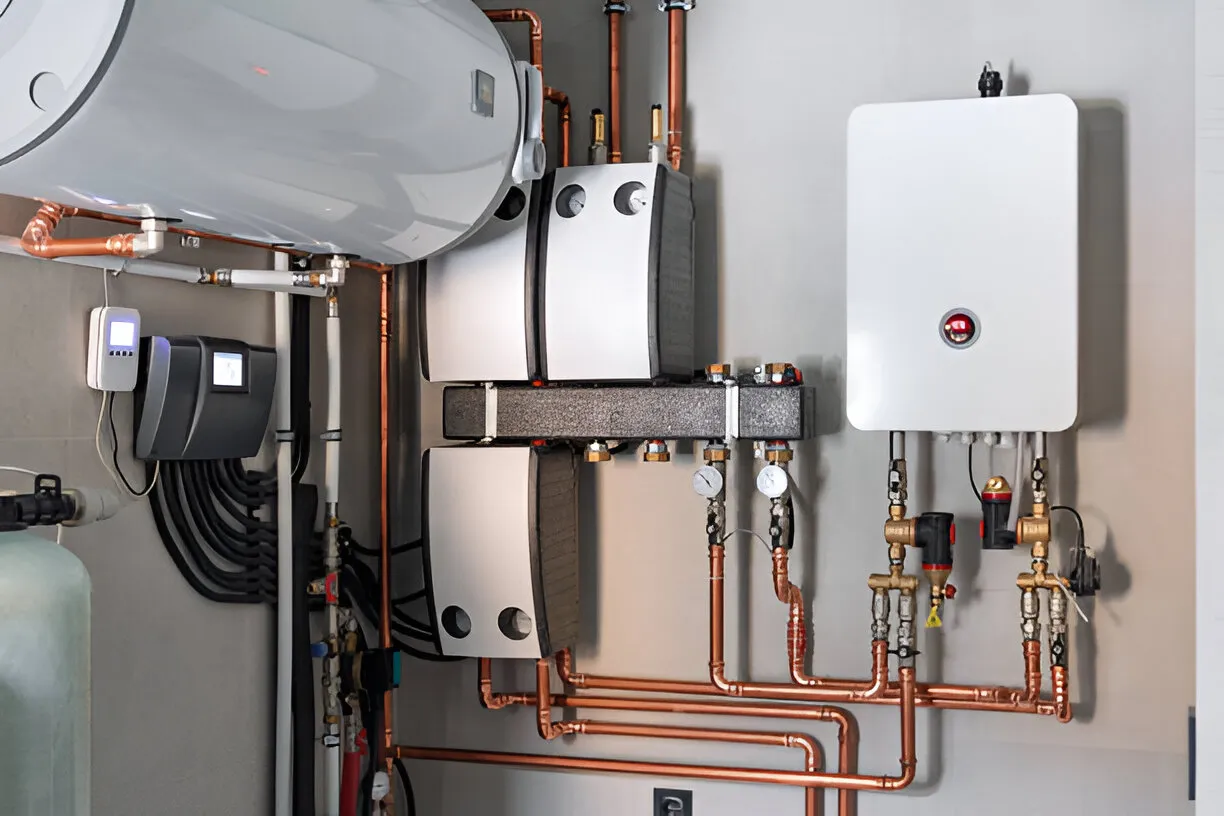
What a furnace tune up covers (standard checklist)
A complete furnace tune up inspects mechanical, electrical, and combustion components and makes targeted adjustments to return the system to factory-intended performance. Typical items on the checklist:
- Visual safety inspection
- Check for gas leaks, signs of soot, rust, or corrosion
- Inspect heat exchanger for cracks or damage (critical for safety)
- Verify clear combustion air intake and flue/venting path (chimney condition in older homes)
- Burner and combustion system
- Burner cleaning and removal of deposits
- Ignition system evaluation (hot surface ignitor or pilot system)
- Combustion analysis when applicable to ensure proper fuel/air mix
- Airflow and distribution
- Inspect and clean the blower assembly (blower wheel and housing)
- Lubricate motor bearings and moving parts where serviceable
- Measure airflow and check filter condition; recommend proper filter type and replacement frequency
- Controls, safety switches, and thermostat
- Test high-limit switches, pressure switches, and safety interlocks
- Verify thermostat calibration and proper cycling (including programmable settings)
- Tighten and inspect electrical connections; test starters and relays
- Venting, flue, and chimney
- Check flue pipe connections and chimney liner integrity in masonry chimneys
- Inspect for signs of backdrafting or improper venting common in tightly sealed older homes
- Final system performance tests
- Monitor system startup/shutdown, flame quality, temperature rise, and overall run cycle
- Provide a written tune-up summary noting adjustments, parts replaced, and recommended repairs
Why a tune up is especially important in German Village
German Village has many older, character homes with narrower basements, historic chimneys, and sometimes original ductwork. Those conditions create specific challenges:
- Older furnaces and chimneys are more prone to venting or backdrafting issues when homes are tightly air-sealed.
- Tight spaces and limited access can hide air leaks, dirty blower wheels, or restricted airflow that reduce efficiency and increase wear.
- Columbus winters bring sustained cold stretches; a well-tuned furnace avoids stressful long runtime and reduces the risk of mid-winter failures.
- Freeze-thaw cycles and seasonal humidity can accelerate corrosion in venting and electrical contacts if not checked regularly.
A tune up addresses these local vulnerabilities by ensuring safe combustion, proper venting, and optimal airflow tailored to older home configurations.
Benefits of a professional tune up
- Improved efficiency and comfort: Clean burners and correct airflow reduce wasted fuel and deliver steadier heat.
- Reduced risk of breakdowns: Identifying worn components early prevents emergency repairs during cold snaps.
- Longer equipment life: Proper lubrication and tight electrical connections minimize premature motor and control failure.
- Safety assurance: Heat exchanger checks, carbon monoxide risk reduction through proper venting, and verified safety controls protect occupants.
- Warranty protection: Many manufacturers require documented annual maintenance to keep warranty coverage valid; a professional tune up provides the necessary records.
- Better indoor air quality: Replacing or recommending the right filter and removing dust from the blower lowers allergens and dust circulation.
Typical duration and what affects how long it takes
A standard furnace tune up generally takes between 45 minutes and 90 minutes. Factors that affect duration include:
- Furnace type and age (older or complex systems require more inspection)
- Accessibility of the unit (tight basements, utility closets, or historic installations can add time)
- Extent of cleaning required (severely soiled burners or blower assemblies take longer)
- Need for additional diagnostics (combustion analysis or duct leakage checks)
- Any immediate repairs or parts replacement found during inspection
Technicians will prioritize safety checks first and document findings, noting items that may require follow-up service.
Common repairs or adjustments discovered during tune ups
During a tune up, technicians often identify items that need attention to restore reliable operation:
- Dirty burners or clogged burners requiring cleaning
- Worn blower belts or misaligned blower wheels
- Faulty or weak ignition components
- Loose electrical terminals or corroded contacts
- Restricted airflow from dirty filters or blocked return vents
- Minor venting issues or chimney clearance concerns in masonry chimneys
- Thermostat miscalibration or improper programming
Addressing these items promptly reduces operating costs and avoids more expensive failures later.
How tune ups integrate with maintenance plans and warranties
Routine tune ups are typically included in annual maintenance plans that provide scheduled inspections and benefits such as priority service and discounted repairs. For many furnace manufacturers, documented annual maintenance is a condition of the limited warranty. Keeping records from each tune up—service reports, component notes, and dates of service—helps preserve warranty eligibility and demonstrates proactive care.
Maintenance plans also provide a predictable service cadence that aligns with seasonal needs in German Village: fall furnace tune ups before the first cold stretch and an optional spring check if you have a combined heating and cooling maintenance agreement.
Simple homeowner maintenance tips between tune ups
- Replace or clean air filters every 1 to 3 months depending on filter type and household conditions (pets, combustible dust, or smoking increase frequency).
- Keep returns and supply registers unobstructed by furniture or drapes.
- Ensure exterior vents and chimney caps are clear of debris and nesting material, especially in spring and fall.
- Test carbon monoxide detectors monthly and replace batteries annually.
- Program thermostats to minimize extreme cycling and reduce unnecessary run time.
A professional furnace tune up is the single most effective preventative measure homeowners can take to ensure safety, maintain efficiency, and protect heating equipment—particularly in German Village where older building traits and winter severity make dependable heating essential. Regular tune ups, documented maintenance, and attention to the items above keep your system ready for the season and help avoid costly interruptions when temperatures drop.
Hot Deals & Cool Savings

.webp)
New Service Agreement Membership
.webp)
Any New Client Service
Next Service for Referring a New Client
New Service Agreement Membership
Any New Client Service
Next Service for Referring a New Client
.webp)
.webp)

Service Areas
