
Heating Installation in German Village, OH
Heating installation services in German Village, OH: load calculations, permits, expert installation to improve comfort and efficiency. Learn more.

Heating Installation in German Village, OH
Replacing or installing a heating system in a German Village home requires more than picking the highest efficiency label. Older brick rowhouses, tight basements, and preserved historic exteriors create unique constraints that affect equipment placement, ductwork, and venting.
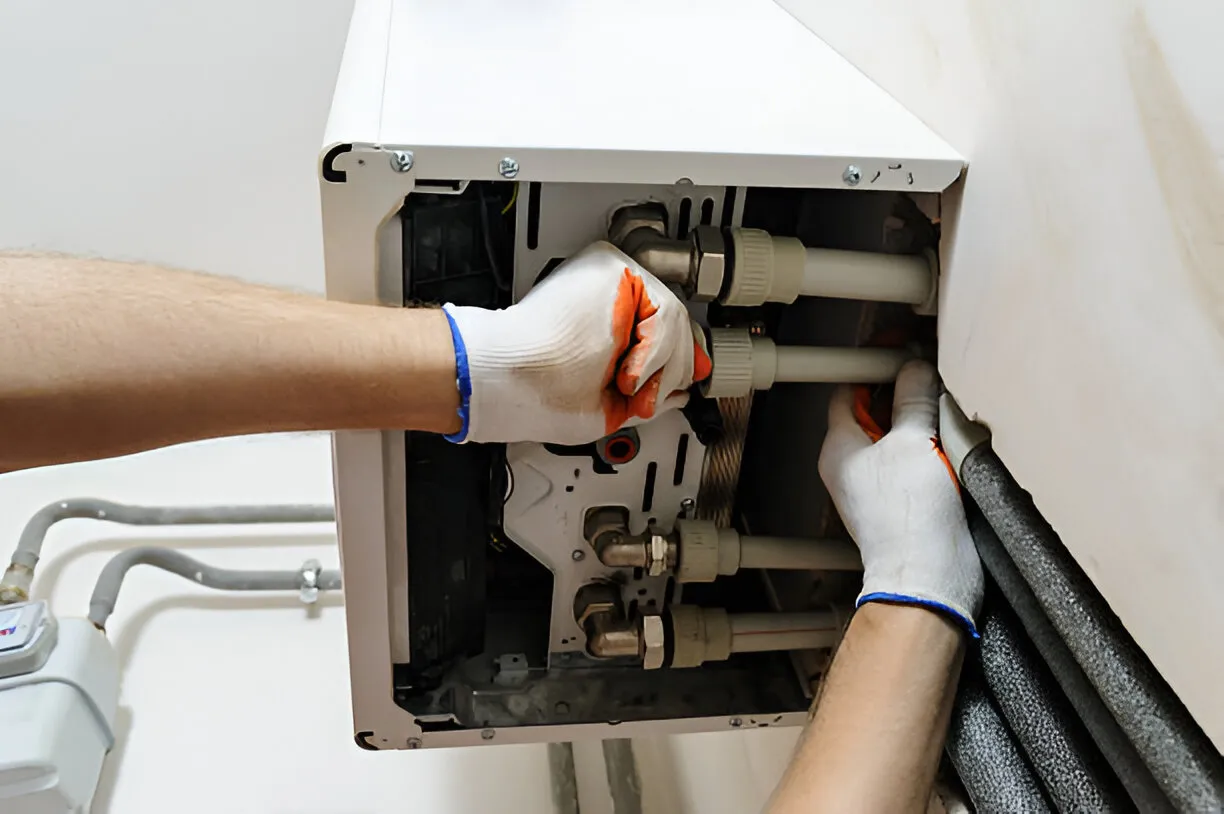
Why a tailored heating installation matters in German Village
German Village experiences cold Midwest winters with frequent subfreezing nights. Combined with older construction and drafty windows in historic homes, an undersized or improperly installed heating system leads to uneven temperatures, high energy bills, and premature equipment wear. A correct installation ensures comfort, efficiency, and safety while respecting space and historic constraints common in this neighborhood.
Common heating types and issues in German Village homes
- Gas furnaces: Common in older Columbus homes, but small basements or tight closets can complicate venting and replacement.
- Boilers: Hydronic systems are frequent in historic houses; rusted sections, old cast-iron radiators, and inefficient burners are typical problems.
- Heat pumps and ductless mini-splits: Increasingly popular for efficiency and zoning, especially where ductwork is limited. Cold-climate models perform well even through Ohio winters.
- Ductwork issues: Narrow joists, undersized or leaky ducts, and poor insulation cause loss of efficiency and uneven heating.
- Space constraints and exterior placement: Historic district rules and narrow lot lines can limit outdoor unit placement and require creative solutions for vents and condensers.
Home assessment and load calculations
A complete installation begins with a professional home assessment, not a rule-of-thumb estimate. Key steps include:
- Walk-through to identify fuel type, equipment location, duct layout, insulation levels, window types, and occupancy patterns.
- Measuring conditioned square footage, ceiling heights, and exterior wall orientation.
- Performing a Manual J load calculation to determine required heating capacity based on actual heat loss factors.
- Evaluating ductwork with a duct leakage test and static pressure reading when ducts are present.
- Checking combustion safety, venting paths, and clearance requirements for gas equipment.
Accurate load calculations prevent oversizing, which causes short cycling and lower efficiency, and undersizing, which leaves rooms cold.
Equipment selection: efficiency, sizing, and practicality
Equipment choice depends on your home’s load, space, budget, and modernization goals:
- High-efficiency gas furnaces: Good fit where natural gas is available. Look for AFUE ratings and modulating or variable-speed blowers for better comfort.
- Condensing boilers and modern hydronic systems: Ideal for homes with existing radiator networks; condensing technology boosts efficiency.
- Air-source heat pumps and ductless mini-splits: Excellent for zoning and for homes without ductwork. Cold-climate models have improved low-temperature performance.
- Hybrid or dual-fuel systems: Combine heat pump efficiency with gas backup for the coldest days.
- Sizing considerations: Match the system capacity to the Manual J results and the ductwork capacity. Oversized equipment increases energy use and reduces comfort.
For German Village rowhouses or homes with tight mechanical spaces, compact or wall-mounted units and creative venting routes are often necessary to meet both functional and historic preservation requirements.
Permitting and code compliance
Permits and inspections are required for most heating installations in Columbus and the surrounding area. Typical compliance items include:
- Building and mechanical permits filed with local authorities.
- Proper venting, combustion air, and gas line sizing per code.
- Electrical connections to meet NEC requirements.
- Inspections for safety and code adherence before final approval.
- Historic district considerations for exterior work where visible equipment or penetrations may require special review.
Licensed professionals normally handle permit submission and inspection scheduling to ensure code compliance.
Professional installation steps and timeline
A typical professional installation follows these steps:
- Pre-install planning and materials staging.
- Old system disconnect and safe removal with proper disposal.
- Rough-in: duct modifications, gas piping, flue or vent installation, and electrical work.
- Equipment set, secured, and connected.
- Insulation, sealing, and finishing touches to restore access panels or closet doors.
- Startup and commissioning with full system testing.
- Homeowner walk-through and documentation handoff.
Timeline expectations:
- Simple furnace swap: typically 1 day to complete.
- Boiler replacement or extensive hydronic work: 1 to 3 days depending on piping complexity.
- Heat pump or mini-split installation: 1 to 2 days; multiple zones add time.
- Major ductwork rework or retrofits: several days to a week depending on scope.
Installers will plan to minimize disruption and protect floors and finishes in older homes.
Post-installation testing and documentation
After installation, thorough testing ensures safety and efficiency:
- Combustion and carbon monoxide testing for fuel-burning appliances.
- Airflow measurements, static pressure checks, and refrigerant charge verification for heat pumps.
- Thermostat calibration and zoning checks.
- Leak testing on gas and hydronic systems.
- A full system walkthrough and written documentation including model numbers, operating instructions, and recommended maintenance schedules.
Keep warranty documents and installation records for future service and for any local incentive claims.
Warranty, service coverage, and maintenance
Most modern heating systems carry manufacturer parts warranties and installer workmanship warranties. Typical coverage elements:
- Manufacturer parts warranty (length varies by component and brand).
- Limited warranties on heat exchangers or compressors for higher-efficiency models.
- Installer workmanship warranty covering labor for a specified period.
- Recommended annual maintenance to preserve warranty eligibility and system performance.
Retain all warranty paperwork and schedule annual tune-ups to extend service life and maintain efficiency.
Financing and rebate options in German Village, OH
Many homeowners take advantage of financing plans or energy incentives to manage upfront costs and improve payback:
- Local utility rebates or energy efficiency programs that reduce the cost of qualifying high-efficiency systems.
- State and federal incentives for certain heat pumps or weatherization measures, which can lower net cost.
- Financing plans with fixed monthly payments available through lenders associated with HVAC providers.
- Bundled savings when combining insulation, air sealing, and HVAC upgrades to reduce overall energy loads.
Documentation from the installer and proof of professional installation are often required to claim rebates or tax credits.
Long-term benefits and maintenance tips
A professionally planned and installed heating system delivers:
- More consistent comfort across rooms.
- Lower energy bills when sized and commissioned correctly.
- Improved indoor air quality through proper filtration and duct sealing.
- Extended equipment life with routine maintenance.
Maintenance basics: change filters regularly, schedule annual tune-ups, keep return vents clear, and seal gaps around doors and windows to reduce heat loss.
A carefully executed heating installation in German Village, OH protects the character of historic homes while delivering modern comfort, safety, and efficiency. Proper assessment, accurate sizing, compliant permitting, and thorough commissioning are the keys to long-term performance.
Hot Deals & Cool Savings

.webp)
New Service Agreement Membership
.webp)
Any New Client Service
Next Service for Referring a New Client
New Service Agreement Membership
Any New Client Service
Next Service for Referring a New Client
.webp)
.webp)

Service Areas
