
Heating Replacement in Amlin, OH
Heating replacement in Amlin, OH: learn when to replace, compare options, rebates, costs, and installation timelines; energy savings. Learn more.

Heating Replacement in Amlin, OH
Replacing your home heating system is a major decision. In Amlin, OH, where winters are cold and heating runs are long, selecting the right replacement can cut energy bills, improve comfort, and reduce emergency repairs.
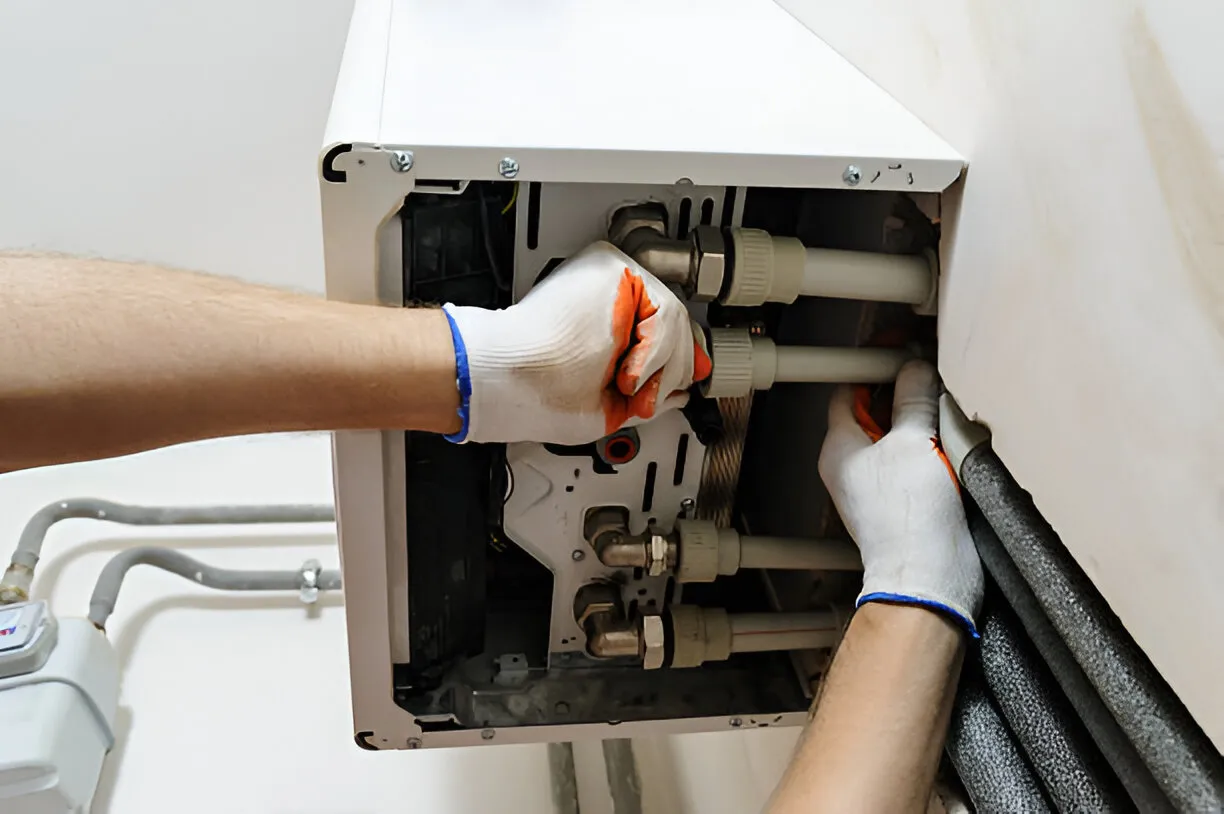
When to Replace Your Heating System
Consider replacement when one or more of the following apply:
- Unit age is 15–20 years (older furnaces and boilers lose efficiency and parts become scarce).
- Frequent and increasingly costly repairs.
- Uneven room temperatures, long run times, or inability to maintain set temperature.
- Rising energy bills despite regular maintenance.
- Safety concerns: persistent carbon monoxide alerts, cracked heat exchanger, or pilot/ignition failures.
- System uses phased-out refrigerant or has obsolete controls that prevent modern thermostats and zoning.
In Amlin, prolonged cold spells and freeze/thaw cycles can expose aging equipment to failures that may justify replacement sooner rather than later.
Common Heating Replacement Options (and which Amlin homes they fit)
- High-efficiency gas furnaces (AFUE 92%+)
- Best for homes on natural gas seeking straightforward replacement of an existing furnace.
- Pros: reliable heat, strong performance in cold weather.
- Cons: requires proper venting; savings depend on gas rates.
- Condensing boilers
- Good for homes with hydronic (radiator) systems.
- Pros: high efficiency, comfortable radiant heat.
- Cons: higher install complexity; requires condensate handling.
- Cold-climate heat pumps (air-source)
- Increasingly practical for central Ohio winters, especially paired with a supplemental system or backup heat.
- Pros: significant electrical efficiency, can also cool in summer.
- Cons: may need a backup in extreme lows for some homes; proper sizing and refrigerant charge are critical.
- Ductless mini-splits
- Ideal for additions, homes without ductwork, or targeted zone heating.
- Pros: zoned control, high efficiency.
- Cons: multiple indoor units can increase upfront cost.
- Hybrid systems (heat pump + gas furnace)
- Combine efficiency of a heat pump with reliable backup heat for the coldest days.
- Pros: optimized seasonal performance and operating cost.
- Cons: higher initial investment and more complex controls.
Energy Savings and Cost-Benefit Analysis
When evaluating replacement, focus on lifecycle cost, not only purchase price. Key factors:
- Efficiency ratings: AFUE for furnaces/boilers, HSPF/EER/SEER for heat pumps. Higher ratings usually mean lower annual fuel costs.
- Local fuel prices: Amlin households on natural gas will see different savings than those on electric or propane.
- Usage patterns: Longer heating seasons increase the value of efficiency gains.
- Ductwork and envelope: Poorly sealed ducts or an uninsulated attic can erode savings; pairing replacement with duct sealing and insulation creates better ROI.
A simple approach:
- Estimate current annual heating cost.
- Calculate expected percentage savings with a new system (manufacturer data and energy calculators can help).
- Divide upgrade cost by annual savings to get a rough payback period.Long-term factors like warranty length, expected life (15–25 years), and maintenance costs should be included. In many Amlin homes, moving from an old, low-AFUE furnace to a high-efficiency model or a modern heat pump often yields measurable monthly savings, especially when combined with weatherization.
Removal and Disposal of Old Equipment
Proper removal protects your home and the environment:
- Refrigerant recovery: Heat pumps and air-source systems require EPA-compliant refrigerant recovery.
- Safe disposal of combustion equipment: Furnaces and boilers often contain metals and components that are recyclable; any contaminated condensate or oils must be handled per regulations.
- Ductwork and debris removal: Old filters, insulation, and rusted plenums should be cleaned out and disposed of.
- Documentation: A disposal receipt and refrigerant recovery records are useful for rebate applications and future service.
Amlin homeowners benefit from installers who follow local disposal regulations and minimize disturbance during removal.
Typical Installation Timeline
Timelines vary by system complexity and property specifics, but a general guide:
- Pre-install assessment & load calculation: same-day or within a week.
- Permit approval (if required): 1–7 business days depending on local jurisdiction.
- Equipment ordering: 1–14 days depending on model availability.
- Installation day(s):
- Furnace swap: usually 1 day for a straightforward replacement.
- Heat pump or split system: 1–3 days (indoor/outdoor units, line sets, and electrical).
- Boiler or major hydronic changes: 2–4 days.
- Commissioning and testing: completed on final day.Always expect potential delays from specialized parts, permit processing, or ductwork modifications.
Rebates and Financing (what to look for)
- Federal tax credits and state energy programs: energy-efficient heat pumps and certain high-efficiency furnaces may qualify for credits or rebates; eligibility often depends on equipment rating and installation standards.
- Utility rebates: check central Ohio and local utilities for HVAC rebates or weatherization incentives.
- Financing options: many homeowners use financing to spread the capital cost over time; terms and availability vary.
Keep records of equipment model numbers, efficiency ratings, and installation invoices for rebate and tax credit applications.
Post-Installation Testing and Verification
A thorough startup includes:
- Combustion analysis for gas appliances to verify safe and efficient combustion.
- Carbon monoxide checks in living spaces and at combustion appliance vents.
- Refrigerant charge verification and airflow testing on heat pumps/air conditioners.
- Thermostat calibration and zoning checks to confirm setpoints and schedules work as intended.
- Duct leakage and airflow balancing to ensure each room receives the expected airflow.
- System efficiency baseline: note operating parameters and projected seasonal performance.
Technicians should leave a clear explanation of operating procedures and maintenance intervals. For Amlin homes, ensure drainage and outdoor unit placement prevent freeze-related issues and allow easy service access during heavy snow.
Maintenance and Long-Term Considerations
A new system performs best with regular care:
- Annual tune-ups: clean burners/heat exchangers, check controls, inspect flue/venting.
- Replace filters seasonally or as recommended.
- Keep outdoor units clear of snow and debris; provide airflow clearance.
- Schedule mid-life efficiency checks to confirm performance and preemptively replace components.
Making replacement decisions with attention to local weather patterns, fuel costs, and your home’s envelope will deliver the best long-term comfort and value for Amlin residences.
Hot Deals & Cool Savings

.webp)
New Service Agreement Membership
.webp)
Any New Client Service
Next Service for Referring a New Client
New Service Agreement Membership
Any New Client Service
Next Service for Referring a New Client
.webp)
.webp)

Service Areas
