
Furnace Service in Amlin, OH
Furnace service in Amlin, OH. Schedule preventive maintenance, diagnostics, and reliable repairs to keep your home warm and efficient. Learn more today.

Furnace Service in Amlin, OH
When winter temperatures drop in Amlin and across central Ohio, a reliable furnace is essential for comfort, safety, and energy efficiency. Professional furnace service in Amlin, OH focuses on diagnosing problems quickly, restoring safe operation, and preventing emergency breakdowns.
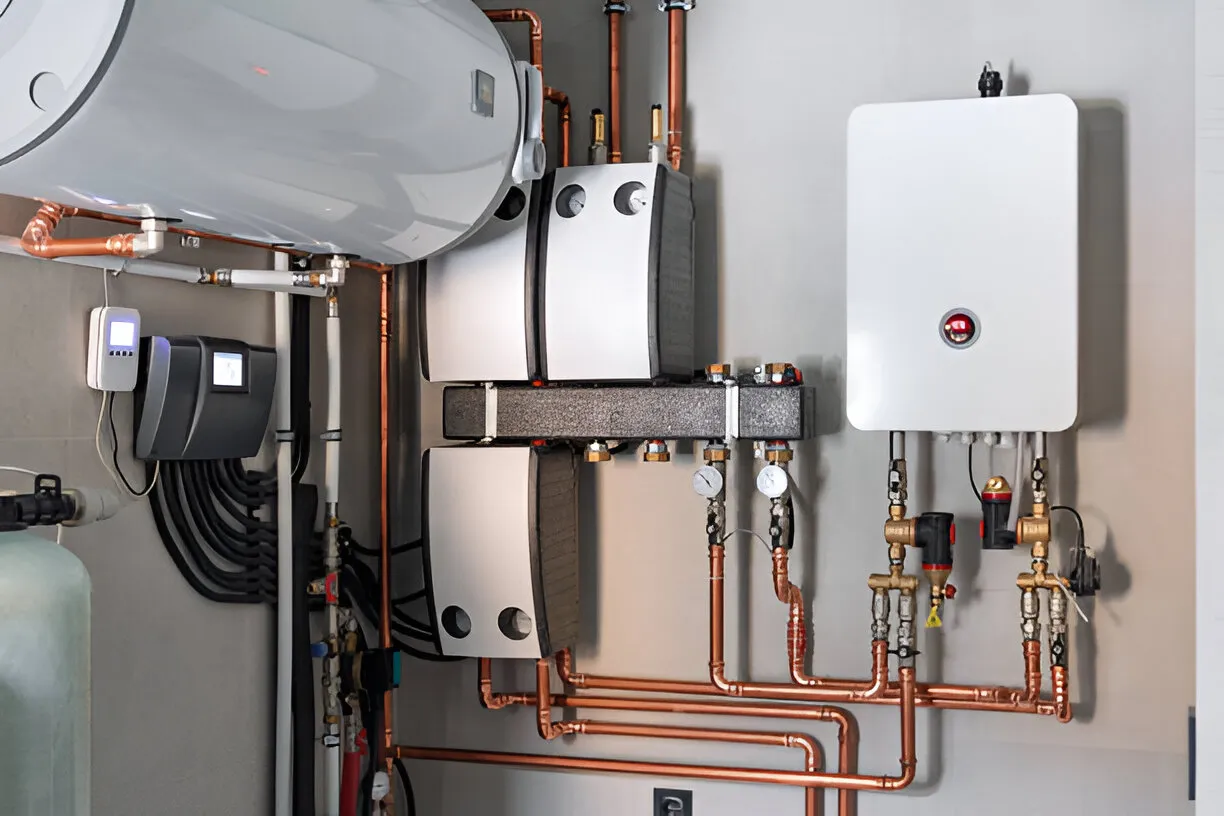
Comprehensive furnace services for Amlin homes
- Diagnostics: Systematic inspections to identify root causes of heating problems, from electrical faults to combustion issues.
- Preventive maintenance: Seasonal tune-ups to restore peak efficiency and reduce the risk of mid-winter failures.
- Repairs: On-site repair of igniters, burners, heat exchangers, motors, control boards, and other components.
- Safety inspections: Carbon monoxide testing, vent and flue checks, and heat exchanger examinations to ensure safe operation.
- Service plan options: Regular maintenance agreements that include scheduled tune-ups, discounts on repairs, and priority scheduling.
- Scheduling & visit details: Clear timelines for appointments, what technicians inspect, and the deliverables customers receive after the visit.
- Technician credentials & guarantees: Licensed, trained and insured HVAC technicians, safety-focused procedures, and workmanship assurances.
Common furnace issues in Amlin, OH
Amlin homeowners face the same furnace problems common across central Ohio, often exacerbated by seasonal extremes:
- No heat or intermittent heating: Can stem from a failed thermostat, ignition problems, or fuel supply interruptions.
- Short cycling (turning on and off frequently): Often caused by airflow restrictions, an oversized unit, or faulty controls. Short cycling increases wear and utility costs.
- Strange noises: Rattles, bangs, or squeals frequently indicate loose components, a failing blower motor, or delayed ignition.
- Uneven heating or cold spots: Duct leaks, blocked vents, or failing blowers create inconsistent warmth across rooms.
- Decreased efficiency and rising energy bills: Dirty burners, clogged filters, and poor combustion reduce performance.
- Safety concerns: Cracked heat exchangers or blocked vents can lead to unsafe combustion byproducts. Carbon monoxide risks increase if vents are obstructed by snow, leaves, or wildlife—an issue in rural and suburban properties near Amlin.
What a professional diagnostic and inspection includes
A thorough furnace diagnostic follows a consistent, safety-first process:
- Initial interview: Review symptoms, recent changes, and any error codes or unusual behavior.
- Visual inspection: Evaluate cabinet, burners, wiring, filters, and access panels.
- Electrical and control checks: Verify thermostats, control boards, relays, and safeties.
- Combustion and venting inspection: Test flame quality, examine the heat exchanger for cracks, and confirm proper flue draft.
- Airflow assessment: Check filters, blower operation, ductwork condition, and return/ supply vents.
- Safety testing: Measure for carbon monoxide, test limit switches and rollout sensors, and confirm proper combustion air.
- Efficiency evaluation: Compare operation against expected performance and note parts nearing end of life.
- Written findings: Clear documentation of issues, recommended repairs, and an explanation of repair vs replacement options.
Common repairs and when replacement is recommended
- Typical repairs: Igniter or pilot assembly replacement, blower motor servicing, control board repairs, capacitor or inducer motor replacement, and sealing or replacing damaged ducts.
- Parts and warranties: Quality parts and labor warrantied in writing help ensure long-term reliability.
- Repair vs replacement considerations: Replacement is usually recommended when the furnace is older (typically 15+ years), the heat exchanger is compromised, repair costs approach the value of a new unit, or when efficiency gains justify an upgrade. Local fuel costs and expected winter severity in Amlin factor into that decision.
Preventive maintenance and service plans
Regular maintenance is the most cost-effective way to avoid failures and extend furnace life:
- Seasonal tune-up checklist: Clean burners and flame sensors, replace or clean filters, lubricate motors, tighten electrical connections, inspect the heat exchanger, test safety controls, and verify flue and vent integrity.
- Benefits of planned maintenance: Improved efficiency, smoother starts, fewer emergency repairs, longer equipment life, and often lower heating bills during cold months.
- Service plan features to expect: Scheduled fall inspections, priority scheduling during peak season, discounts on repairs, and documentation of service history—helpful for home resale and warranty compliance.
Technician credentials, safety standards, and guarantees
Furnace service should be performed by trained, licensed, and insured professionals who follow industry safety practices:
- Training and certification: Technicians typically hold HVAC certifications (for example, NATE) and complete ongoing training for modern high-efficiency systems.
- Licensing and insurance: Proper Ohio licensing and liability coverage protect homeowners and ensure compliance with local codes.
- Safety-first processes: Carbon monoxide testing, combustion efficiency checks, and heat exchanger inspections are standard to confirm safe operation.
- Guarantees: Expect clear, written warranties on parts and workmanship and transparent documentation of any recommended follow-up work.
What to expect during a furnace service visit
- Appointment window and arrival: Technicians arrive within a scheduled window, identify themselves, and explain the service scope.
- Duration: Most diagnostics and basic tune-ups take between 45 minutes and 2 hours, depending on system condition.
- Deliverables: A written service report outlining findings, any recommended repairs or replacements, and notes on system efficiency.
- Transparency: Clear explanations of problems, repair options, and the expected outcomes of each choice.
Final benefits and homeowner maintenance tips for Amlin residents
Regular furnace service keeps homes in Amlin safer, warmer, and more efficient through Ohio’s cold winters. Simple homeowner steps extend the time between service calls:
- Replace or clean filters every 1–3 months during heavy use.
- Keep returns and supply registers unobstructed.
- Maintain clear access to the furnace area and combustibles at a safe distance.
- Install and test carbon monoxide detectors on every level of the home.
- Schedule an annual professional tune-up before the heating season begins.
Well-executed furnace service in Amlin, OH reduces emergency repairs, lowers heating costs, and ensures safe, reliable heat for your household throughout the winter months.
Hot Deals & Cool Savings

.webp)
New Service Agreement Membership
.webp)
Any New Client Service
Next Service for Referring a New Client
New Service Agreement Membership
Any New Client Service
Next Service for Referring a New Client
.webp)
.webp)

Service Areas
