
Heating Repair in Amlin, OH
Heating Repair in Amlin, OH: fast on-site diagnosis and repair for furnaces, boilers, heat pumps, and ductless systems. Learn more.

Heating Repair in Amlin, OH
Keeping your home warm and safe through Amlin winters depends on a reliably functioning heating system. Heating Repair in Amlin, OH addresses urgent breakdowns, recurring performance problems, and safety issues that are common in central Ohio homes. Whether you have a gas furnace, boiler, heat pump, or ductless system, understanding typical faults, the diagnostic process, on-site repair workflow, expected response times, parts and labor considerations, technician qualifications, and warranty norms helps you make confident decisions when your system needs service.
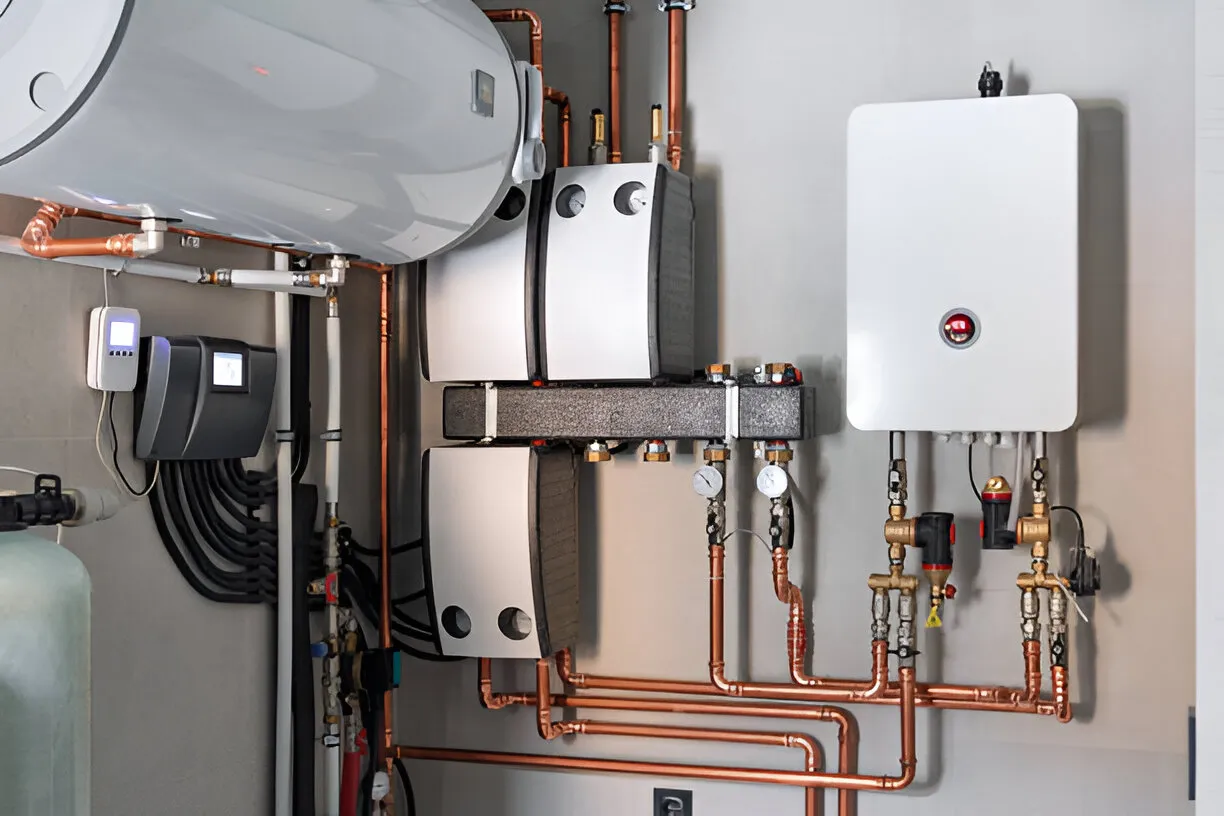
Common heating system problems in Amlin, OH homes
Amlin experiences cold winters and occasional deep freezes that put heavy demand on heating equipment. These are the most frequent issues technicians see:
- No heat at all: complete failure to produce warm air or hot water. Causes include pilot/ignition failure, thermostat malfunction, or electrical faults.
- Insufficient heat or uneven heating: rooms stay cold while others are warm. Often due to airflow restrictions, clogged filters, undersized equipment, or failing burners.
- Short cycling: furnace or heat pump turns on and off frequently. Common causes are overheating, a dirty flame sensor, faulty thermostat, or airflow problems.
- Strange noises: banging, rattling, or whistling can signal cracked heat exchangers, loose ductwork, failing motors, or burner issues.
- Ignition and pilot problems: modern electronic ignitors and older pilot assemblies both fail and prevent system start.
- Blower or fan failures: reduced airflow and poor distribution; often caused by worn motors, belts, or control issues.
- Fuel or venting problems: blocked flues, improper combustion, or fuel delivery issues in propane or oil systems.
- Heat pump-specific: frozen outdoor coils, low refrigerant charge, or reversing valve faults that reduce heating performance.
How heating diagnostics are performed on site
A clear, methodical diagnosis narrows down the root cause before parts are replaced. Typical diagnostic steps include:
- Customer interview: review recent symptoms, timing, thermostat settings, and any error codes.
- Safety checks: test for carbon monoxide and natural gas or propane leaks; verify proper venting and combustion safety.
- Thermostat and control inspection: confirm correct wiring, calibration, and set points.
- Electrical and component checks: measure voltages, currents, and continuity to motors, relays, transformers, and boards.
- Fuel and combustion analysis: visual burner inspection and combustion efficiency testing on gas and oil systems.
- Airflow and duct inspection: measure static pressure, check filters, dampers, and supply/return registers.
- Heat exchanger and refrigerant checks: inspect for cracks or leaks; check refrigerant pressures on heat pumps.
- Operational run test: start the system through a full heat cycle to observe behavior and performance.
These steps prevent unnecessary part swaps and target the actual failure mode.
Typical on-site repair workflow
On-site repairs follow an organized process to restore safe, reliable operation with minimal disruption:
- Arrival and safety setup: ensure work area is safe and test for gas or CO.
- Confirm diagnosis: explain the identified problem and typical repair approach in plain terms.
- Repair or replacement: repair components when feasible; replace failed parts when necessary to restore function and reliability.
- System adjustment and calibration: set gas pressures, adjust burners, tune airflow, and calibrate thermostat controls.
- Performance verification: run the system through multiple cycles and measure temperatures, pressures, and safety limits.
- Cleanup and homeowner review: remove debris, secure work area, and explain what was fixed and why.
Technicians bring common parts for faster on-the-spot repairs; for specialized components, they return with OEM or equivalent parts and complete the job promptly.
Expected response times for Amlin, OH
Response standards vary by provider and season, but homeowners can typically expect:
- Emergency heating failures in winter: same-day or within 24 hours when temperatures are dangerously low.
- Non-emergency repairs: scheduled within 24 to 72 hours depending on parts availability and workload.
- After-hours and weekend coverage: many service teams offer extended options during peak cold snaps.
Local weather and peak demand during extended cold spells can affect availability, so documented response windows are helpful when evaluating repair options.
Parts, labor, and warranty considerations
Understanding parts and labor expectations helps set realistic outcomes:
- Parts used: common replacement parts include ignitors, control boards, blower motors, gas valves, heat exchangers, burners, pressure switches, compressors (for heat pumps), and thermostats.
- OEM vs aftermarket parts: OEM parts match manufacturer specifications and often carry longer warranties; high-quality aftermarket parts can be more affordable and still reliable.
- Labor coverage: workmanship warranties vary; many providers offer limited labor guarantees for a defined period after repair.
- Manufacturer warranties: major components like furnaces and heat exchangers often include multi-year factory warranties. Warranty lengths and terms depend on manufacturer registration and product line.
- Documentation: receive a written summary of repairs performed, parts installed, and any warranties that apply to both parts and labor.
Technician qualifications and safety standards
Qualified technicians servicing Amlin homes typically hold:
- EPA 608 certification for refrigerant handling (required for heat pump work).
- State licensing or contractor registration where applicable.
- Training on gas appliance combustion and heat exchanger safety.
- Ongoing manufacturer training for newer high-efficiency systems and control technology.
- Background-checked, insured personnel who follow standard safety protocols, including carbon monoxide testing and combustion analysis on gas-fired equipment.
Always verify that a technician performs a safety check after repair and provides clear documentation of the work completed.
Why timely heating repair matters in Amlin
Prompt repair preserves comfort and safety, and reduces long-term costs:
- Prevents frozen pipes and water damage during deep freezes.
- Lowers energy bills by restoring efficient combustion and airflow.
- Extends equipment life by avoiding damage from continued operation with a fault.
- Reduces safety risks associated with gas leaks, carbon monoxide, and cracked heat exchangers.
Preventive maintenance tips for Amlin homeowners
Small actions reduce emergency repairs:
- Replace or clean filters regularly, typically every 1 to 3 months.
- Schedule annual tune-ups before the heating season to inspect combustion, seals, and controls.
- Keep vents and registers unobstructed and clear exterior units of debris.
- Test carbon monoxide detectors monthly and replace batteries as needed.
- Insulate exposed pipes, especially in unheated basements and crawl spaces.
- Consider a programmable or smart thermostat for better temperature control and diagnostics.
A clear understanding of common problems, diagnostic methods, repair workflows, realistic response times, parts and warranty expectations, and technician qualifications will help Amlin homeowners make informed decisions when heating issues arise. Prompt, well-documented repairs protect comfort, safety, and long-term equipment value during Amlin's cold season.
Hot Deals & Cool Savings

.webp)
New Service Agreement Membership
.webp)
Any New Client Service
Next Service for Referring a New Client
New Service Agreement Membership
Any New Client Service
Next Service for Referring a New Client
.webp)
.webp)

Service Areas
