
Heating Repair in Berwick, OH
Heating repair in Berwick, OH: fast diagnostics, trusted fixes, clear pricing. Schedule service now for reliable warmth and safety.

Heating Repair in Berwick, OH
Keeping your home warm and safe through Berwick winters depends on a healthy heating system. Whether you have a natural gas furnace, electric furnace, heat pump, or boiler, timely heating repair prevents cold nights, higher utility bills, and safety hazards like carbon monoxide exposure.
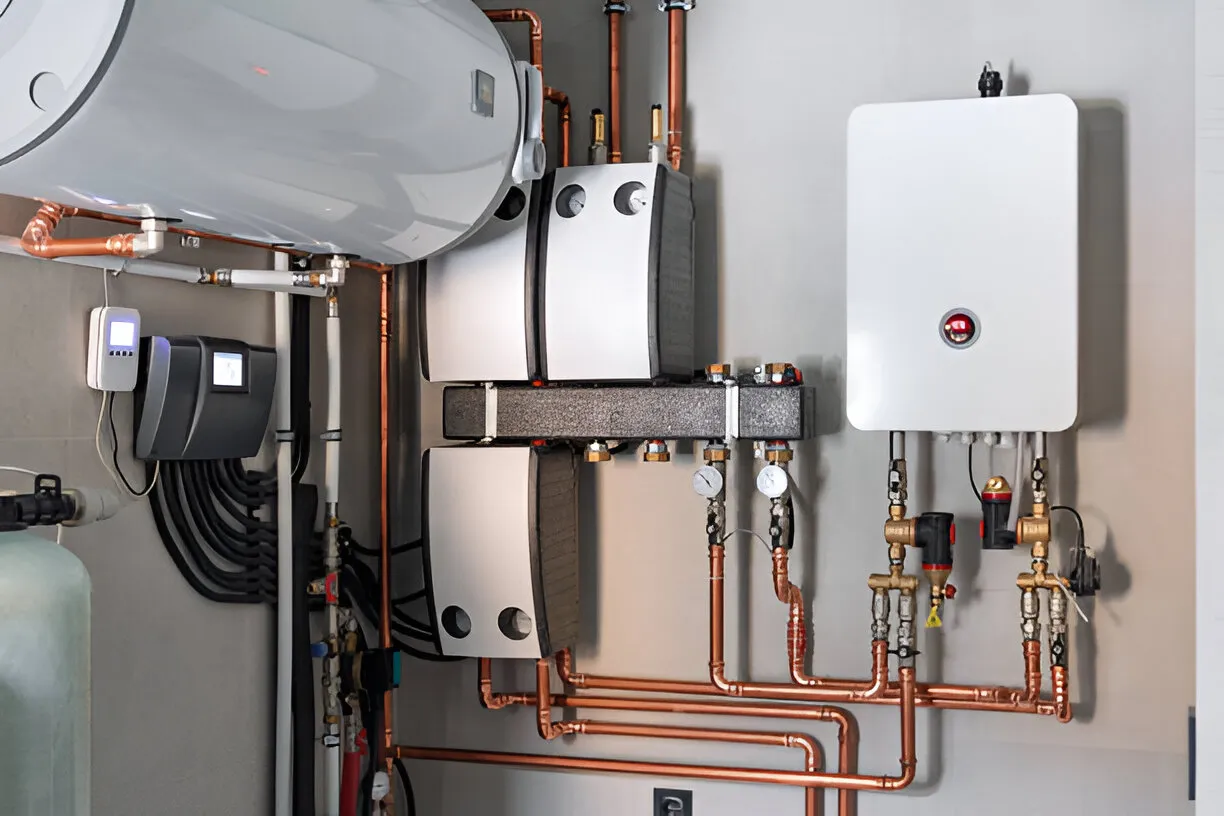
Why timely heating repair matters in Berwick, OH
Berwick experiences cold winters with frequent below-freezing temperatures and occasional ice storms. That climate stresses heating systems: longer runtimes, frozen condensate lines on heat pumps, and higher wear on ignition and blower components in furnaces. Delaying repairs in this region increases the risk of breakdown during extreme cold, raises heating bills, and can create safety concerns in gas-fired systems. Prompt diagnostics and repairs restore reliability, improve comfort, and can extend equipment life.
Common heating system issues in Berwick homes
Furnaces
- No heat or intermittent heat
- Furnace runs but house stays cold
- Loud banging, rattling, or squealing noises
- Furnace cycles on and off frequently (short cycling)
- Pilot light problems or electronic ignition failure
- Blower motor not running or weak airflow
- Yellow or flickering burner flame (combustion issue risk)
- High gas smell or suspected carbon monoxide (safety concern)
Heat pumps
- Reduced heating capacity or weak airflow
- Unit short-cycling or running continuously
- Ice buildup on outdoor coil or frequent defrost cycles
- Loud compressor noise or hard-start symptoms
- Low refrigerant charge causing poor heating
- Backup heat strips running too often in winter
- Reversing valve or control failure
Other systems (boilers, ductless units)
- Low boiler pressure, no hot water to radiators
- Uneven temperature between rooms (zoning/duct issues)
- Thermostat communication or sensor faults
Symptom checklist and what it often means
- Cold rooms while system runs: clogged air filter, closed/blocked vents, failing blower, duct leaks, or low refrigerant.
- System won’t start: thermostat, power disconnect, limit switch, or control board failure.
- Strange noises: loose components, collapsed ductwork, failing motor bearings, or combustion problems.
- System cycles frequently: oversized thermostat settings, dirty flame sensor, shorted components, or refrigerant imbalance.
- Frequent pilot or ignition failures: dirty burners, faulty ignitor, or gas supply issue.
- Visible ice or frost on outdoor coil (heat pump): low refrigerant or poor airflow; urgent in Berwick winters.
How diagnostics work (what technicians check)
- Safety first: verify power, gas supply, and check for carbon monoxide or gas leaks.
- Visual and electronic inspection of control board, wiring, thermostat, and limit switches.
- Combustion and venting check for gas furnaces (flame color, heat exchanger condition).
- Airflow assessment: filters, blower motor, ductwork, and vents.
- Refrigerant and pressure checks for heat pumps; inspect compressor and reversing valve.
- Operational test under load to observe cycling patterns and symptom reproduction.A thorough diagnostic visit typically takes 30–90 minutes depending on complexity and system access.
Typical repair procedures
Furnace repairs
- Filter replacement and airflow restoration
- Ignitor or flame sensor cleaning/replacement
- Blower motor repair or replacement, belt replacement
- Limit switch and pressure switch replacement
- Control board diagnostics and replacement
- Gas valve or burner cleaning; heat exchanger inspection (cracked heat exchanger often leads to replacement recommendation)
Heat pump repairs
- Refrigerant leak detection and repair, recharge if feasible
- Defrost control and sensor replacement
- Compressor hard-start kit or compressor replacement
- Reversing valve repair or replacement
- Outdoor fan motor and contactor replacement
- Repair of supplemental electric heat elements
Repair timeframes vary: many common repairs are completed in 1–4 hours; major component replacements or hard-to-access systems can take longer or require parts orders.
Expected response times and warranties
- Typical response times in the Berwick area: same-day for many service requests during business hours, next-day scheduling for non-emergencies. Emergency or after-hours calls may be prioritized in extreme weather.
- Diagnostic appointments generally scheduled in a morning or afternoon window; technicians usually need 30–90 minutes on site.
- Warranties: expect short-term labor warranties (commonly 30–180 days) and manufacturer part warranties that vary by component (typically 1–10 years). Warranty terms depend on the part and manufacturer; ask about coverage specifics for new parts or repairs.
Pricing estimates (ranges to set expectations)
- Diagnostic fee: commonly in the range of $75–$150
- Thermostat replacement: $100–$300 (thermostat model dependent)
- Ignitor or flame sensor: $150–$350
- Blower motor replacement: $400–$900
- Control board replacement: $300–$800
- Refrigerant recharge or leak repair: $150–$600 depending on leak complexity and refrigerant type
- Compressor replacement (heat pump): $800–$2,500+ depending on unit and labor
- Heat exchanger issues: often push toward replacement due to cost and safety concerns
These are typical local ranges; final pricing depends on system brand, accessibility, part availability, and labor required.
Repair versus replacement: clear decision guidelines
Consider replacement when:
- The unit is older than 12–15 years (heat pumps) or 15–20 years (furnaces/boilers).
- Repair cost approaches or exceeds 50% of the cost of a new system.
- The system requires frequent repairs (multiple calls in a single heating season).
- The unit has a cracked heat exchanger (safety risk) or failing compressor.
- You want better energy efficiency—modern systems deliver measurable savings in cold Ohio winters.
Repair is appropriate when:
- The system is less than 8–10 years old and the issue is a single failed component.
- Repair restores reliable operation and passes safety checks.
- Short-term ownership or budget constraints make replacement impractical.
When considering replacement, also factor in improved efficiency (lower bills), possible rebates or tax incentives, and the lifespan and warranty of a new system.
Preventive maintenance and homeowner tips
- Replace or clean filters every 1–3 months during heavy use months.
- Schedule annual heating tune-ups before peak winter months to catch issues early.
- Keep outdoor units clear of snow and debris; avoid closing vents in unused rooms which can create pressure issues.
- Install and maintain carbon monoxide detectors near sleeping areas for gas systems.
- Address odd smells, discoloration of the pilot flame, or unusual noises immediately—small symptoms often signal larger problems.
Timely heating repair in Berwick, OH preserves comfort, reduces energy costs, and maintains safety for your home. When symptoms appear, a prompt professional diagnosis ensures accurate fixes, clear cost expectations, and a recommendation that balances short-term repair needs against long-term system value.
Hot Deals & Cool Savings

.webp)
New Service Agreement Membership
.webp)
Any New Client Service
Next Service for Referring a New Client
New Service Agreement Membership
Any New Client Service
Next Service for Referring a New Client
.webp)
.webp)

Service Areas
