
Heating Installation in Berwick, OH
Heating installation in Berwick OH: learn how we assess your home, select systems, and complete permits. Learn more.

Heating Installation in Berwick, OH
Replacing or installing a new heating system is one of the most important investments for comfort, safety, and long‑term energy costs in Berwick, OH homes. With central Ohio’s cold winters and variable weather, the right system sized and installed correctly keeps your living space comfortable, reduces utility bills, and avoids costly mid‑winter failures.
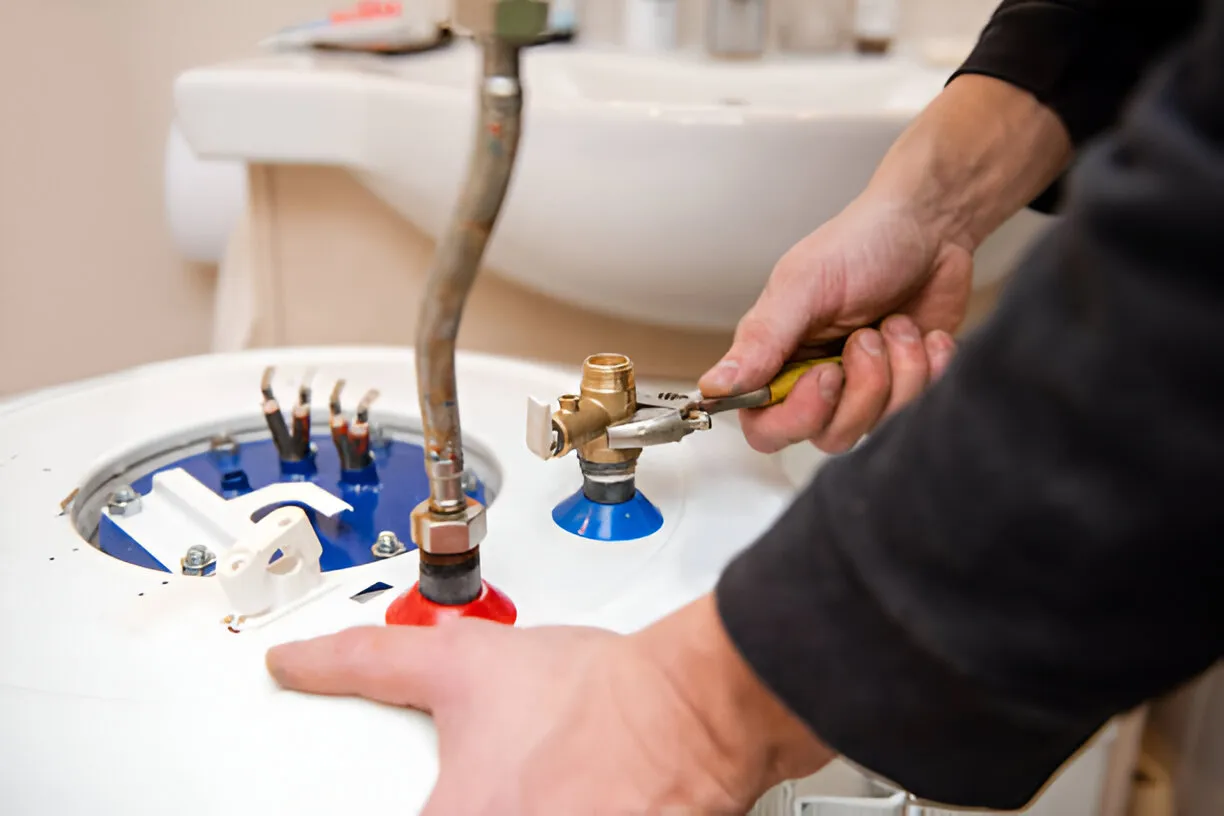
Common heating system types and best fits for Berwick homes
- Gas Furnaces (mid‑ and high‑efficiency) — Common in older Berwick houses with existing gas lines. High AFUE furnaces (90%+) deliver lower operating costs in colder months.
- Electric Heat Pumps (air‑source and ductless mini‑split) — Efficient year‑round for moderate winters; modern cold‑climate heat pumps perform well in central Ohio and can provide both heating and cooling. Ideal for homes without gas service or where electrification is desired.
- Boilers (hot water/steam) — Found in homes with hydronic systems or radiators. Boilers offer comfortable, even heat; new condensing boilers are more energy efficient.
- Ductless Split Systems — Good for room additions, older homes without ductwork, or as supplemental heat to reduce central system size.
- Hybrid systems — A heat pump paired with a gas furnace for the most efficient operation across temperature extremes common in Berwick.
Site assessment and load calculations
A reliable installation begins with a professional site assessment and accurate load calculation:
- Perform a full walkthrough of the home: measure conditioned space, inspect insulation, windows, ductwork, basement/attic conditions, and existing combustion vents.
- Use Manual J load calculation methods to determine the exact heating capacity your home needs. Oversized equipment short cycles, wastes energy, and shortens system life; undersized equipment will struggle on the coldest days.
- Evaluate ductwork condition and sizing (Manual D recommendations) or the need for ductless options if ducts are inadequate.
- Identify ventilation and combustion air needs for safety and code compliance.
System and brand selection
Selecting the right brand and model depends on your priorities—efficiency, reliability, sound level, and long‑term operating costs.
- Compare efficiency ratings (AFUE for furnaces/boilers; HSPF and SEER for heat pumps). Higher ratings often yield bigger utility savings but cost more up front.
- Match equipment size (output) to calculated heat load, not to square footage alone.
- Consider local serviceability and parts availability when choosing brands; widely supported manufacturers simplify maintenance and future repairs.
- Evaluate features such as variable speed motors, two‑stage heating, smart thermostat compatibility, and advanced safety controls.
Installation process and typical timeline
A professional installation follows clear steps to minimize disruption and ensure long‑term performance:
- Pre‑installation planning and permit submission (1–3 business days to obtain permits in many jurisdictions).
- Equipment delivery and staging (same day as start or scheduled day).
- Removal of old equipment and preparation of installation area (half‑day to one day).
- Mechanical installation: setting new equipment, duct or piping connections, electrical wiring, gas line connection and pressure testing (1–3 days depending on job complexity).
- Control and thermostat setup, condensate management, and ventilation adjustments (same day as mechanical work).
- Final inspections and testing (often same day as installation or following scheduled municipal inspection).
Overall timeline: a straightforward furnace swap in a typical Berwick home is often completed in 1 day; more complex installs (boilers, major duct changes, conversions from oil to gas or adding a heat pump) can take 2–4 days or longer.
Code, permits, and inspection assistance
Local building codes and gas/electrical rules must be followed for safety and insurance compliance:
- A licensed installer will determine which permits are required by Berwick and Columbus‑area authorities and submit permit applications.
- Required inspections may include mechanical, gas pressure test, combustion safety, and electrical hookup inspections.
- Proper ventilation, combustion air, and flue/chimney connections are inspected to prevent carbon monoxide hazards.
- Documentation of permits and inspection sign‑offs is provided for your records.
Energy‑efficiency considerations and potential savings
Efficiency choices affect comfort and monthly bills:
- Upgrading to a higher AFUE furnace or a cold‑climate heat pump can cut winter heating costs noticeably in Berwick’s cold months.
- Sealing and insulating ductwork, adding programmable thermostats, and improving home insulation amplify system efficiency.
- Check for available local utility rebates and federal incentives for efficient equipment—these can reduce purchase cost and improve payback.
- Consider lifecycle cost, not just purchase price: fuel type, projected efficiency, and maintenance needs determine long‑term value.
Post‑install testing, safety checks, and customer handoff
Proper commissioning ensures safe, efficient operation:
- Measure airflow, static pressure, and thermostat calibration to confirm balanced distribution.
- For combustion equipment: perform combustion analysis, flue draft checks, and carbon monoxide testing.
- Test electrical connections, control sequences, and emergency shutdowns.
- Provide a clear walkthrough of system operation, filter replacement, thermostat programming, and maintenance intervals. Paperwork typically includes equipment manuals, warranty registration instructions, and permit/inspection records.
Warranty, maintenance, and financing options
Understanding protection and payment options helps you plan:
- Manufacturer warranties commonly cover heat exchangers and major components for several years; labor warranties from the installer vary. Confirm both parts and labor coverage and what actions (like annual maintenance) are required to keep warranties valid.
- Maintenance agreements or annual tune‑ups extend equipment life and preserve warranty compliance; routine service reduces the risk of mid‑season failures.
- Financing solutions are commonly available through manufacturers and third‑party lenders to spread costs over time; terms vary and are subject to credit approval. Ask about options that match your budget and long‑term goals.
Why timely installation matters and maintenance tips
Installing the right system properly minimizes emergency repairs and maximizes comfort:
- Installing or replacing a heating system before the coldest months prevents last‑minute rushes and potential downtime.
- Simple homeowner maintenance between professional visits: change filters regularly, keep vents unobstructed, and clear outdoor units of debris.
- Schedule annual heating tune‑ups to maintain efficiency, catch minor issues early, and keep warranties valid.
A well‑sized, code‑compliant heating installation matched to your Berwick home’s needs delivers reliable comfort through central Ohio winters, lower operating costs, and peace of mind from proper testing and warranty protection.
Hot Deals & Cool Savings

.webp)
New Service Agreement Membership
.webp)
Any New Client Service
Next Service for Referring a New Client
New Service Agreement Membership
Any New Client Service
Next Service for Referring a New Client
.webp)
.webp)

Service Areas
