
Furnace Repair in Berwick, OH
Furnace Repair Berwick OH: Fast, reliable diagnostics and durable repairs for older homes. Schedule service now for quick heat and peace.

Furnace Repair in Berwick, OH
When your furnace fails on a freezing Central Ohio night, it is more than an inconvenience — it is a disruption to daily life and a potential safety concern. Furnace Repair in Berwick, OH focuses on fast, accurate diagnostics and durable repairs tailored to local homes. Berwick residents often have older, forced-air gas furnaces or mid-efficiency systems that react differently to Ohio winters, so understanding common issues, the diagnostic process, and sensible maintenance will help you make the right repair decisions.
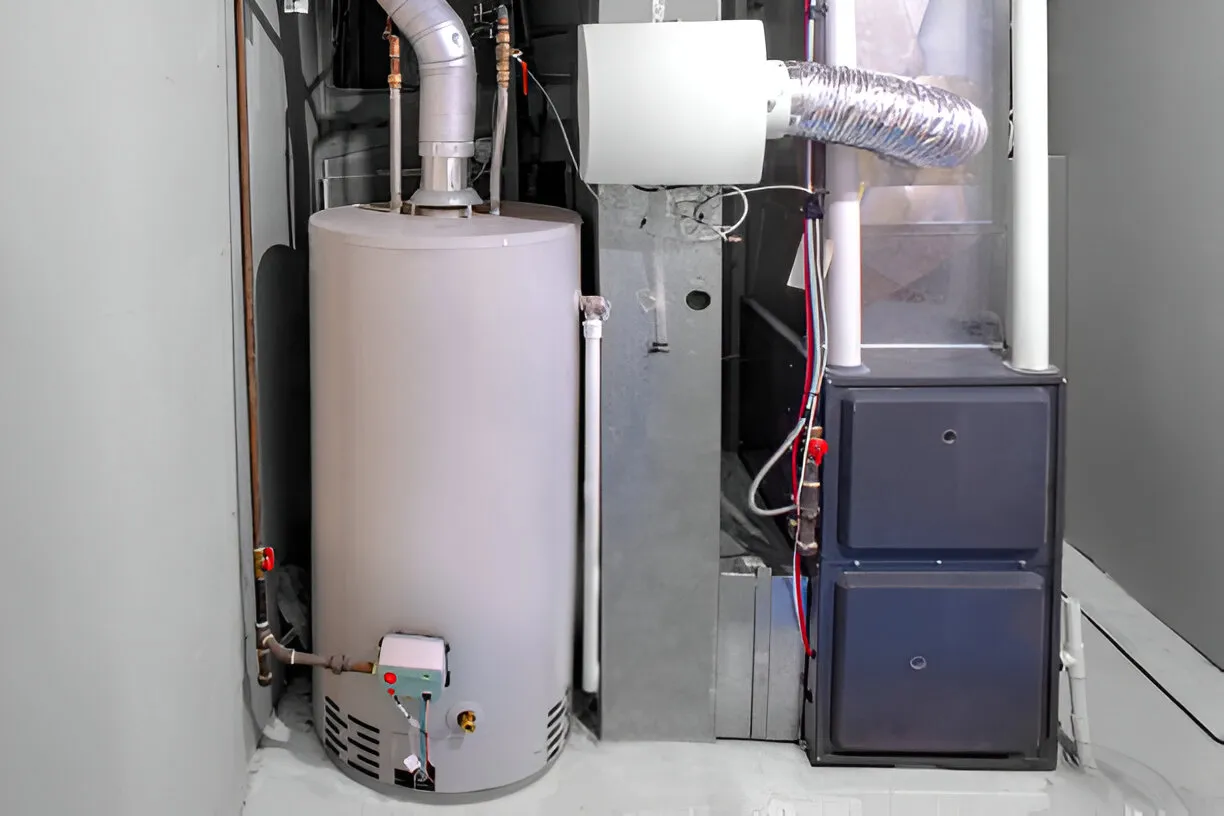
Why timely furnace repair matters in Berwick
- Winters in Berwick bring prolonged cold spells and rapid temperature swings. Small faults that can be managed early in the season commonly become complete failures during cold snaps.
- Older homes and tighter energy codes in the Columbus metro mean furnaces that are poorly tuned or incorrectly vented lose efficiency quickly and may create safety risks.
- Prompt diagnosis prevents secondary damage (damaged heat exchangers, scorched blower motors, frozen pipes) and reduces the chance of emergency calls on nights or weekends.
Common furnace problems in Berwick homes
- Furnace won’t start or intermittent starting: often caused by thermostat issues, failed ignitors, or control board faults.
- Weak or no heat: clogged air filters, failing burners, a cracked heat exchanger, or a malfunctioning gas valve.
- Frequent short cycling (turning on and off rapidly): usually due to airflow restriction, faulty limit switch, or improper thermostat placement.
- Blower fan running but no heat: problems with the gas ignition system, flame sensor, or heat exchanger.
- Strange noises (clanking, squealing, rattling): loose panels, worn bearings in the blower motor, or failing inducer motors.
- Unusual odors or soot: poor combustion, blocked vents, or burner misalignment.
- Pilot light or ignition failures: worn flame sensors, dirty burners, or failing electronic ignitors.
- Carbon monoxide risk and venting problems: cracked heat exchangers or blocked flue pipes can produce dangerous combustion byproducts.
What a technician checks during a furnace diagnostic
Technicians follow a systematic diagnostic workflow to pinpoint the cause and recommend the most cost-effective solution:
- Initial safety inspection: check for gas leaks, open flames, soot, proper venting, and working carbon monoxide detectors.
- Thermostat verification: confirm settings, wiring, batteries, and thermostat calibration.
- Visual and operational check: observe the furnace during a full start-up cycle to note ignition behavior, flame quality, and response times.
- Airflow evaluation: inspect filters, return grilles, ductwork, and blower operation to detect restrictions or balance issues.
- Component testing: measure voltages, continuity, and performance of the ignitor, flame sensor, limit switch, pressure switch, inducer motor, and control board.
- Combustion and vent testing: assess burner condition, combustion efficiency, and flue draft to rule out heat exchanger cracks and vent blockages.
- Documentation and recommendation: technicians explain findings in simple terms, list recommended repairs or part replacements, and outline safety concerns and options.
Typical replacement parts and what they mean for your system
- Ignitor or pilot assembly: common failure point on electronic ignition furnaces; replacement restores reliable starting.
- Flame sensor: often just needs cleaning, but replacement resolves persistent flame-sensing faults.
- Control board: a failed board can cause intermittent or complete system failure; replacement often resolves multiple erratic symptoms.
- Inducer motor / draft inducer: necessary for proper venting; a failing motor risks incomplete combustion.
- Pressure switch and limit switch: safety controls that shut the system down when airflow or draft is improper.
- Gas valve: essential for safe fuel delivery; replacement requires experienced service.
- Blower motor and belts: worn motors or belts cause poor airflow and noisy operation.
- Heat exchanger: cracked exchangers are a major safety concern; in many cases replacement of the furnace or heat exchanger assembly is required due to safety and code considerations.
- Capacitors, relays, and transformers: common electrical components that affect blower and control operation.
Emergency furnace repair response and safety guidance for Berwick residents
- Priority issues: no heat during below-freezing temperatures, suspected gas leaks, and any indication of carbon monoxide (CO) exposure are treated as emergencies.
- Safe immediate steps: if you smell natural gas, evacuate the building immediately and contact your gas utility and emergency services from a safe location. If you suspect CO (headache, nausea, dizziness, multiple occupants feeling ill), evacuate and seek emergency assistance.
- On-site triage: technicians prioritize restoring safe operation — temporary measures may include isolating faulty circuits, securing vents, or safely shutting down the appliance until permanent repairs are completed.
- After-hours situations: many repair services offer evening and weekend responses for Berwick neighborhoods during cold snaps; expect technicians to focus on safety, temporary fixes to restore heat, and scheduling follow-up for parts that must be ordered.
Pricing guidelines (what affects the cost)
Rather than specific prices, expect repair cost to depend on:
- Diagnostic complexity and time required to isolate the fault.
- Parts needed: small items (sensors, filters) are lower cost; major components (control boards, heat exchangers, blower motors) increase total expense.
- Labor intensity: components inside compact or hard-to-access furnaces raise labor time.
- Age and condition of the furnace: older units may require more labor or multiple parts; sometimes a replacement is more economical long term.
- Safety considerations: if the heat exchanger is cracked or there is a venting hazard, repair decisions will factor in safety and local code compliance.Understanding these factors helps set expectations without relying on a single quoted number.
Preventive maintenance tips to avoid future breakdowns
- Replace or clean filters every 1 to 3 months during heating season to maintain airflow and prevent short cycling.
- Schedule an annual furnace tune-up before winter: cleaning burners, testing combustion, inspecting the heat exchanger, and calibrating controls.
- Keep the furnace area clear of storage and debris to ensure proper airflow and service access.
- Install and maintain carbon monoxide detectors on each floor and near sleeping areas — detectors are essential even when the furnace appears to be working normally.
- Seal and insulate accessible ductwork in unheated spaces to reduce heat loss and prevent runaway runtime.
- Upgrade to a programmable thermostat and use sensible setback schedules to reduce wear while maintaining comfort.
- Track age and repair history: once a furnace reaches the end of its expected life or requires repeated major repairs, replacement often becomes the more reliable and efficient option.
Benefits of timely repairs and regular maintenance
Prompt furnace repair and seasonal maintenance improve comfort, extend equipment life, lower heating bills, and reduce the chance of emergency failures during Berwick cold spells. A well-tuned furnace operates more efficiently and safely, protecting your home and family against combustion and venting hazards common in older systems.
This service page is focused on clear, practical information you can use when facing a furnace problem in Berwick, OH — from recognizing urgent safety signs to understanding diagnostic steps and what to expect from repairs and preventive care.
Hot Deals & Cool Savings

.webp)
New Service Agreement Membership
.webp)
Any New Client Service
Next Service for Referring a New Client
New Service Agreement Membership
Any New Client Service
Next Service for Referring a New Client
.webp)
.webp)

Service Areas
