
Boiler Tune-Up in OSU, OH
Boiler tune up service in OSU, OH to improve efficiency, safety, and reliability. Learn more and schedule your tune up today.

Boiler Tune Up in OSU, OH
A regular boiler tune up is one of the most effective ways to keep your home warm, lower heating costs, and avoid mid-winter breakdowns in OSU, OH. With Columbus-area winters that can swing from mild to subfreezing, homes and rentals around Ohio State rely on properly tuned boilers to deliver safe, efficient heat across long heating seasons.
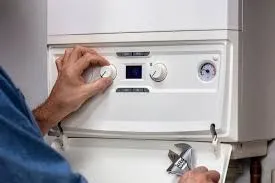
Why a Boiler Tune Up Matters in OSU, OH
- Columbus winters increase run time and wear on boilers, making preventive service essential.
- Older homes near OSU often have cast-iron or mid-century boilers that need frequent attention to maintain efficiency.
- A tune up detects safety risks like carbon monoxide leaks, faulty controls, and combustion inefficiencies before they become emergencies.
- Regular maintenance reduces unexpected repairs during peak heating season when timelines and parts can be constrained.
Common Boiler Problems We See in OSU Homes
- Yellow or sooty flames indicating poor combustion or blocked venting
- Uneven heat or cold spots due to trapped air, stuck valves, or thermostat issues
- Short cycling that wastes fuel and stresses components
- Strange noises from kettling, scale buildup, or failing circulator pumps
- Pilot outages or ignition failures in older gas-fired systems
- Corrosion, leaks, or pressure irregularities that shorten system life
What a Typical Boiler Tune Up Includes
A professional tune up is a systematic inspection, cleaning, adjustment, and test of all combustion and control systems. For OSU, OH properties the following items are standard:
- Combustion tuning
- Measure flue gases and adjust fuel/air ratio
- Check burner performance and clean or replace burner components as needed
- Verify venting integrity and draft to reduce carbon monoxide risk
- Thermostat calibration and controls check
- Confirm thermostat accuracy and setpoint response
- Test zone valves, aquastats, and control sequences for proper operation
- Safety control testing
- Test high limit switches, pressure controls, low-water cutoffs, and safety shutoffs
- Inspect flame sensors and ignition systems for reliability
- Cleaning and inspection
- Remove soot, scale, and combustion byproducts from heat exchanger and combustion chamber
- Inspect flue and venting for obstructions and corrosion
- Lubrication and moving parts
- Lubricate circulator pumps, motor bearings, and fan motors where applicable
- Tighten electrical connections and inspect wiring for heat or wear damage
- System performance checks
- Measure water pressure and expansion tank condition
- Test system circulation, bleed radiators or purge zones to eliminate air
- Documentation and recommendations
- Provide a clear list of repairs or parts likely needed in the near term
- Note any safety concerns and efficiency improvement opportunities
Expected Duration
- Most residential boiler tune ups in OSU take 60 to 90 minutes for a single-zone system.
- Multi-zone systems, combination boiler-water heater units, or boilers with extensive scale buildup can take 2 hours or more.
- If combustion tuning requires parts replacement, additional time will be necessary for diagnostics and re-testing.
Measurable Performance Improvements
A properly performed tune up produces both immediate and long-term benefits you can quantify:
- Improved efficiency: Typical fuel efficiency gains range from 5% to 12% after cleaning and combustion tuning, depending on the boiler condition.
- Lower energy bills: Increased efficiency and corrected controls reduce run time and fuel usage during the heating season.
- Greater reliability: Routine maintenance reduces unexpected failures; studies and field data commonly show a reduction in breakdowns by up to 30% in the year following professional tune up.
- Longer equipment life: Removing scale and soot, correcting combustion, and lubricating parts reduce wear and extend operational lifespan.
- Enhanced safety: Detecting and correcting combustion, venting, or control faults substantially lowers the risk of carbon monoxide incidents and unsafe system operation.
These figures are representative ranges. Exact savings and reliability improvements depend on the age, fuel type, and prior maintenance history of your boiler.
When to Schedule a Tune Up
- Annually before heating season: For OSU homes, schedule service in September or October to ensure reliable operation when temperatures drop.
- If you notice symptoms: Strange noises, yellow flames, inconsistent heat, frequent cycling, or elevated fuel bills are all reasons to book a tune up outside the normal schedule.
- When moving into an older home or rental: Verify condition and controls before winter to prevent tenant or occupant exposure to safety hazards.
Additional Maintenance Tips for OSU Homeowners
- Keep boiler area clear of storage and flammable materials to maintain safe airflow and service access.
- Bleed radiators and purge low spots in hydronic systems to maintain even heat distribution.
- Check for leaks and monitor boiler pressure monthly during the heating season.
- Replace thermostats with programmable models to reduce unnecessary run time when the house is unoccupied.
- Consider a water treatment check if your boiler is showing signs of scale or corrosion, common in areas with moderate water hardness.
Hot Deals & Cool Savings

.webp)
New Service Agreement Membership
.webp)
Any New Client Service
Next Service for Referring a New Client
New Service Agreement Membership
Any New Client Service
Next Service for Referring a New Client
.webp)
.webp)

Service Areas
