
Boiler Maintenance in OSU, OH
Boiler maintenance services in OSU, OH ensure safe, efficient heating; schedule a tune-up and safety inspection to protect comfort.

Boiler Maintenance in OSU, OH
Keeping your boiler running safely and efficiently is essential for homes and rental properties in OSU, OH. Cold Ohio winters and older housing stock around the Ohio State University area make reliable heating a priority. A scheduled boiler maintenance program reduces breakdown risk, preserves energy efficiency, and helps extend equipment life.
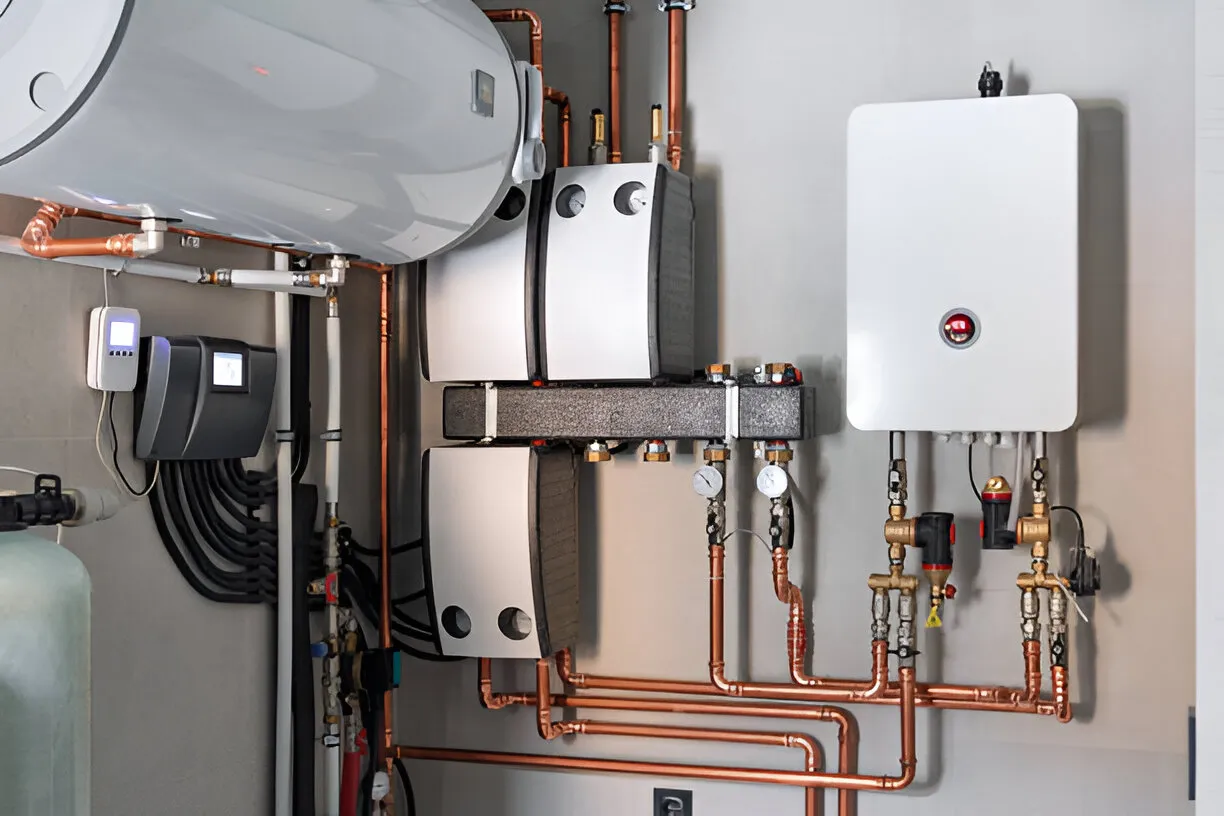
Why scheduled boiler maintenance matters in OSU, OH
OSU, OH sees long, cold heating seasons that place heavy demand on boilers. That consistent use combined with occasionally hard water and older piping can accelerate wear, scale buildup, and control drift. Regular inspections and tune-ups catch small problems early so they do not turn into emergency repairs on the coldest nights. Maintenance also supports safety by verifying proper combustion and venting and helps maintain manufacturer warranty and insurance requirements.
Common boiler maintenance issues in OSU, OH
- Scale and sediment in heat exchangers from local water hardness, reducing heat transfer and efficiency
- Dirty burners or clogged orifices that cause incomplete combustion, soot, or sooting of flue surfaces
- Faulty or drifting controls and thermostats that create uneven heating or short cycling
- Leaks at seals, valves, or pipe joints, particularly in older systems experiencing freeze-thaw stress
- Pressure loss in closed-loop systems or expansion tank failure
- Blocked or deteriorated flue and venting components leading to poor draft and safety risks
What a comprehensive boiler maintenance program includes
A scheduled maintenance program is designed to be systematic and repeatable. Typical elements included in annual or seasonal programs are:
- Annual tune-up and safety inspection
Visual and operational checks of the entire system, listing any safety concerns and recommended repairs. - Combustion and pressure checks
Measurement of combustion gases and combustion efficiency, plus verification of system pressure and relief devices to ensure safe operation. - Cleaning of heat exchangers and burners
Removal of soot, scale, and debris from burners, heat exchange surfaces, and combustion chambers to restore efficiency and reduce ignition problems. - Filter and control checks
Inspection and replacement of air and water filters where applicable; calibration and testing of thermostats, aquastats, and control boards. - Safety control testing
Validation of flame sensors, pressure relief valves, low-water cutoffs, and other safety interlocks. - Venting and flue inspection
Confirming unobstructed flue passages, proper draft, and that termination points meet code and clearance requirements. - System performance tuning
Adjusting fuel/air ratio, burner settings, and control parameters to achieve optimum efficiency for your specific system and usage patterns.
Diagnostic process: what professionals look for
During a maintenance visit, technicians follow a diagnostic checklist to identify both immediate and latent failures. That includes observing start-up and shutdown cycles, checking for abnormal noises, performing combustion analysis when applicable, testing electrical connections for corrosion or looseness, measuring return and supply temperatures, and inspecting pump and valve operation. Findings are documented so owners understand recommended actions and priorities.
Benefits of regular boiler maintenance
- Improved energy efficiency — Clean heat exchangers and tuned burners restore lost efficiency, lowering fuel consumption during long winters.
- Longer equipment life — Addressing scale, leaks, and worn parts early slows deterioration and delays costly replacement.
- Fewer emergency breakdowns — Proactive maintenance reduces the odds of unexpected failure during peak heating demand.
- Enhanced safety — Proper combustion and vent checks minimize carbon monoxide and combustion-related hazards.
- Warranty and compliance support — Many manufacturers and insurance policies require regular maintenance to keep coverage valid.
- Predictable operating costs — Routine inspections turn surprise repairs into planned budgets.
Maintenance plans and service frequency
Maintenance programs are typically offered in tiers to match needs and budgets:
- Basic annual inspection — Annual tune-up and safety check, recommended for homeowners with newer, well-maintained boilers.
- Comprehensive annual service — Includes full cleaning, combustion testing, controls calibration, and prioritized repair recommendations.
- Seasonal or semi-annual plans — For older systems, high-usage properties, or multi-unit residential buildings, two visits per year (pre-winter and mid-season) catch seasonal problems early.
- Commercial or multi-unit plans — Customized schedules, documentation, and emergency response provisions for landlords and building managers.
Frequency should be based on system age, manufacturer recommendations, and local conditions. In OSU, OH a pre-winter inspection is essential; properties with hard water or heavy use may benefit from semi-annual service.
What to expect during a maintenance visit
- Technician arrival with tools and safety testing equipment
- Visual inspection of system components and surrounding area for leaks or hazards
- Burner and heat exchanger cleaning as required
- Combustion gas measurement and adjustment of fuel/air settings
- Filter replacement and control calibration
- Pressure and safety device testing
- A clear, written summary of findings with prioritized recommendations for repair or replacement
Troubleshooting signs that require prompt attention
If you notice any of the following in your OSU, OH property, schedule inspection or service promptly:
- Strange noises such as kettling, banging, or whooshing
- Uneven heating between rooms or radiators that will not balance
- Significant increases in fuel bills without corresponding usage changes
- Visible leaks or corrosion near the boiler or associated piping
- Frequent short cycling or ignition failure
- Activation of carbon monoxide detectors or visible soot in the combustion area
Simple preventive tips for OSU, OH homeowners
- Keep boiler area clear of clutter to allow adequate air flow and access
- Maintain a regular filter replacement schedule where filters are used
- Bleed radiators or purge zones annually to remove trapped air and improve heat distribution
- Insulate exposed pipes to reduce freeze risk during subzero nights
- Monitor system pressure and note any gradual drops that indicate leaks or loss of charge
Hot Deals & Cool Savings

.webp)
New Service Agreement Membership
.webp)
Any New Client Service
Next Service for Referring a New Client
New Service Agreement Membership
Any New Client Service
Next Service for Referring a New Client
.webp)
.webp)

Service Areas
