
Boiler Repair in OSU, OH
Boiler Repair OSU, OH: expert diagnostics, safe repairs, clear timelines. Learn common faults, repair steps, and maintenance; schedule service today.

Boiler Repair in OSU, OH
When your boiler fails in OSU, OH, it affects comfort, safety, and the day-to-day functioning of homes and small businesses around the Ohio State University area. Winters in central Ohio are cold and prolonged, which means boilers in OSU homes and rental properties often run hard for months. That extra load increases wear and raises the likelihood of issues such as ignition failures, leaks, and noisy operation.
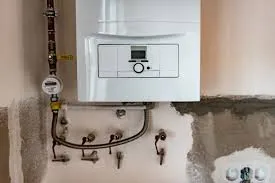
Common boiler problems in OSU, OH and how they present
- No heat or inconsistent heat
- Symptoms: radiators cold, hot water not reaching set temperature, intermittent heating cycles.
- Typical causes: thermostat or control failure, low water pressure, circulating pump issues, or pilot/ignition problems.
- Leaks and visible moisture
- Symptoms: pooled water, rusty fittings, low system pressure, water stains.
- Typical causes: corroded pipes or tanks, failed valves, loose connections, or pressure relief valve discharge.
- Strange noises (banging, kettling, clanking)
- Symptoms: loud or rhythmic noises when heating starts or runs.
- Typical causes: scale buildup on heat exchangers, trapped air, failing pump bearings, or low water flow.
- Ignition failures and pilot problems
- Symptoms: boiler won’t light, repeated lockouts, visible error codes.
- Typical causes: faulty ignitor, gas supply interruptions, blocked flue, or safety interlocks.
- Short cycling and inefficiency
- Symptoms: boiler turns on and off frequently, high fuel use, uneven heat.
- Typical causes: oversized boiler, faulty controls, poor system balancing, or failing sensors.
Diagnostic process — what a professional will check
A methodical diagnostic saves time and prevents unnecessary replacements. Typical steps include:
- Initial system assessment
- Verify symptoms, check thermostats and zone controls, and note when the issue occurs (cold mornings, constant, after maintenance).
2. Visual and safety inspection
- Look for leaks, corrosion, soot, and flue condition. Ensure safety devices are intact.
3. Pressure and water checks
- Measure system pressure, check expansion tank condition, and inspect for air in the system.
4. Fuel and ignition verification
- For gas or oil boilers, confirm fuel supply and examine ignition components and flame characteristics.
5. Mechanical operation checks
- Test circulator pumps, valves, and motor bearings for proper operation and electrical integrity.
6. Combustion and venting analysis (when applicable)
- Evaluate combustion efficiency and flue draft to detect blockages or dangerous emissions.
7. System controls and sensors
- Validate thermostats, control boards, limit switches, and safety interlocks.
Diagnostics typically take 30 minutes to a few hours depending on system complexity and symptoms. Technicians will document findings and explain recommended repairs in plain language.
Step-by-step repair process and parts replacement policy
Repairs follow a clear sequence to restore safe, efficient operation while minimizing surprises:
- Scope and estimate
- After diagnostics, the technician outlines required repairs, affected components, and expected timeline. Recommended repairs are prioritized by safety and system function.
- Parts replacement policy
- Commonly replaced parts include ignition modules, circulator pumps, valves, pressure relief valves, thermostats, and sensors. Professionals will detail whether new parts are OEM-equivalent and whether warranties apply. Replacements are performed only when diagnostics indicate failure or imminent failure; cleaning and adjustments are used when appropriate.
- Repair execution
- Technicians isolate the system, drain and purge when required, replace defective parts, restore water and fuel supplies, and verify proper operation. For systems with corroded or compromised piping, technicians will advise on repair vs. partial replacement based on safety and longevity considerations.
- Post-repair validation
- After repairs, the boiler undergoes a full operational check: pressure stabilization, combustion testing, leak inspection, and heat distribution confirmation. Technicians will explain what was repaired and what to monitor.
Technician qualifications and safety standards
Qualified boiler technicians working in OSU, OH should hold relevant licenses and certifications, and follow industry safety practices:
- Certifications such as NATE or equivalent training for combustion systems.
- Gas fitter or HVAC licenses where applicable, and familiarity with local Ohio codes.
- Experience with residential and small commercial boilers common in OSU neighborhoods, including older cast-iron systems and modern condensing units.
- Use of proper diagnostic tools: pressure gauges, combustion analyzers, electrical meters, and leak detection.
- Adherence to safety protocols for gas handling, combustion testing, and confined-space venting.
Emergency response and estimated timelines
Boiler failures can be urgent, especially during Columbus winters. Emergency response prioritizes safety issues such as leaks, gas smells, or complete heat loss in subfreezing conditions.
- Typical response windows
- Emergency safety calls (gas smell, major leak, carbon monoxide alarms) are addressed immediately or within a few hours depending on call volume and local availability.
- Non-emergency but urgent repairs (no heat on a cold day) are often scheduled same-day or next-day.
- Typical repair timelines (subject to system complexity and part availability)
- Simple adjustments, sensor or control resets: 30 minutes to 2 hours.
- Minor part replacements (valves, thermostats, ignition components, pumps): 1 to 4 hours.
- Major repairs (heat exchanger work, significant piping, or multi-zone system work): may require a day or multiple visits for part procurement and safe execution.Factors that extend timelines include aging equipment, hard-to-source parts for older models, and occupancy constraints in multi-unit housing near campus.
Factors that influence repair cost (no prices listed)
Costs vary based on:
- Type and age of the boiler: modern condensing boilers vs. older cast-iron units.
- Complexity of the issue: diagnostics only versus component replacement or system piping work.
- Parts required and whether OEM or third-party components are used.
- Accessibility and system configuration in OSU housing styles: tight basements or shared mechanical rooms can increase labor time.
- Mandatory safety upgrades or code compliance work that may be needed during repair.
Preventive maintenance and long-term benefits
Regular maintenance reduces emergency repairs and extends boiler life—especially important in OSU, OH where winter loads are high. Recommended practices:
- Annual combustion and safety inspection before the heating season.
- Regularly bleeding radiators and checking system pressure.
- Flushing or descaling heat exchangers in hard-water areas when needed.
- Replacing small wear items proactively, such as circulator seals and sensors.
Benefits of timely repair and maintenance include improved energy efficiency, fewer emergency outages during cold months, reduced long-term replacement costs, and safer operation for students, families, and landlords in the OSU area.
This overview provides the practical information needed to understand boiler problems, the professional repair process, and what to expect when arranging service in OSU, OH.
Hot Deals & Cool Savings

.webp)
New Service Agreement Membership
.webp)
Any New Client Service
Next Service for Referring a New Client
New Service Agreement Membership
Any New Client Service
Next Service for Referring a New Client
.webp)
.webp)

Service Areas
