
Boiler Replacement in Westerville, OH
Boiler replacement in Westerville, OH: learn sizing, permits, installation steps, and warranty details. Schedule a safe, energy-efficient replacement today.

Boiler Replacement in Westerville, OH
Replacing a boiler is a major home investment that affects comfort, safety, and energy bills — especially in Westerville where cold Ohio winters place heavy demand on heating systems.
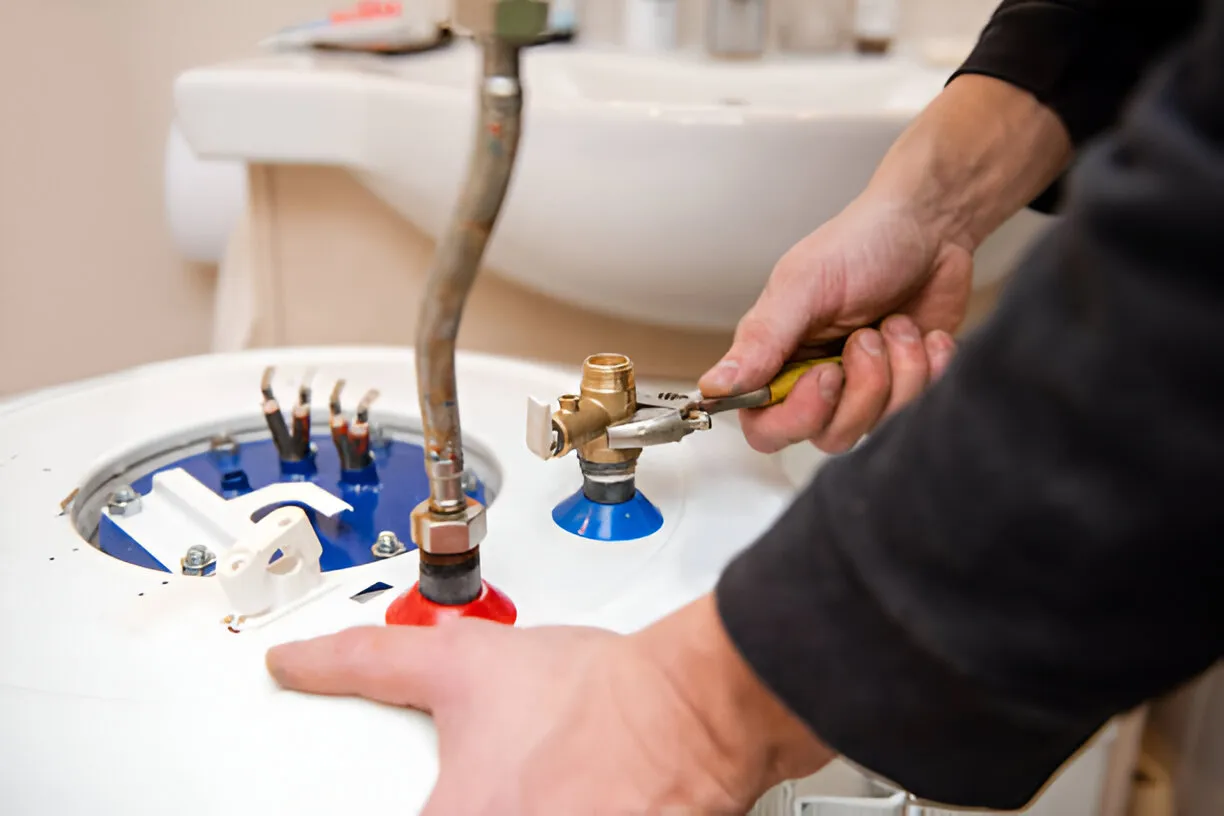
Why Westerville homes need timely boiler replacement
- Westerville winters are cold and prolonged, increasing annual run-hours and accelerating wear on older boilers.
- Many local homes have older cast-iron or mid-century systems that are inefficient and costly to operate.
- Replacing an aging boiler can reduce fuel use, improve comfort through steadier heat, and reduce the risk of mid-winter failures that lead to emergency repairs.
Common boiler problems that indicate replacement
- Repeated breakdowns or rising repair frequency despite maintenance.
- Persistent leaks or corrosion in the heat exchanger or plumbing connections.
- Short cycling and poor temperature control due to failing components or undersized equipment.
- Low combustion efficiency, higher fuel consumption, and increased annual heating costs.
- Incompatibility with modern controls, zoning systems, or desired energy-efficient upgrades.
Types of replacement systems and energy-efficient options
- High-efficiency condensing boilers: Capture heat from flue gases to reach higher Annual Fuel Utilization Efficiency (AFUE) ratings. Best for homes where return water temperatures are low enough to condense.
- Modulating-condensing (mod-con) boilers: Adjust output continuously to match load, improving comfort and reducing fuel use in variable-demand conditions typical in Westerville.
- Combi boilers: Combine space heating and domestic hot water in one unit, useful in smaller homes or where compact installations and simplified piping are desired.
- System conversion options: In some Westerville homes with steam or very old hydronic systems, replacing with a modern hot-water or mod-con system may improve efficiency but can require distribution upgrades.
Assessment, sizing, and load calculations
A proper replacement always begins with a thorough assessment:
- Inspect the existing boiler, distribution system (radiators, baseboards, radiant), venting, controls, and fuel type. Evaluate the condition of pipes, expansion tanks, and zone valves.
- Perform a detailed heat-loss calculation for the home (room-by-room if necessary) to determine accurate heating load. This prevents oversizing, which causes inefficiency and short cycling.
- Check domestic hot water needs if considering a combi or integrated DHW solution.
- Verify flue and venting suitability and note any modifications needed for high-efficiency appliances (e.g., plastic venting for condensing boilers).
Removal, disposal, and jobsite preparation
- Safe removal includes draining the system, properly disconnecting fuel and electrical connections, and lifting the old boiler from its location.
- Disposal follows local regulations for metal recycling and any hazardous material handling. In Westerville, installers follow municipal and state waste-handling rules to ensure compliant disposal.
- Prepare the installation area: ensure adequate clearances, provide access for new venting and piping, and protect floors and surfaces during work.
Permits and code compliance
- Boiler replacement in Westerville requires the appropriate permits and inspections from local building and mechanical authorities. Installations must meet Ohio mechanical and fuel gas codes as adopted locally.
- High-efficiency appliances may require specific venting materials and combustion air provisions; installers document compliance with local code sections during plan review and inspection.
- Proper permit handling avoids fines, ensures insurance coverage remains intact, and ensures the new system passes required safety and emissions checks.
Typical installation steps and timelines
- After assessment and permit approval, the installation workflow generally includes equipment staging, piping and venting modifications, equipment set and piping connections, control integration, and system fill and purge.
- Timelines vary by project complexity: simple like-for-like swaps can be completed faster, while system conversions, extended vent runs, or distribution upgrades take longer. Weather, permitting turnaround, and parts availability also affect schedule.
- Installers coordinate inspections at key milestones to maintain code compliance and project transparency.
Post-installation testing and warranty registration
- Comprehensive startup testing includes combustion analysis for safe and efficient fuel burning, pressure and leak checks, thermostat and zone control verification, and system balancing.
- Technicians perform operational checks at different loads to confirm the boiler modulates correctly and that temperature rises and return temperatures are within design targets.
- Proper documentation and warranty registration are completed after startup. Manufacturers’ warranties often require registered installation and proof of commissioning and may include guidance on maintenance intervals.
Cost factors and financing considerations
- Replacement cost depends on system type, equipment efficiency, complexity of venting or distribution changes, and any necessary upgrades (controls, expansion tanks, piping).
- Homeowners can evaluate financing options commonly available for major home mechanical work, including long-term financing, energy-efficiency financing programs, and potential utility or governmental rebates or tax incentives that may apply to energy-saving installations.
- Requesting a detailed proposal that breaks down equipment, labor, permits, and scope helps compare options and ensures transparency.
Benefits and long-term maintenance
- Replacing an old boiler delivers immediate improvements in comfort, quieter operation, and more consistent heat distribution — particularly noticeable during Westerville’s cold months.
- Energy-efficient models can reduce fuel use and lower operating costs over time while reducing carbon footprint.
- Regular planned maintenance after installation — annual inspections, combustion checks, and preventive servicing — preserves efficiency and extends equipment life, protecting the investment and maintaining warranty eligibility.
Replacing a boiler in Westerville, OH involves technical considerations tied to local climate, building types, and code requirements. A professional replacement process that includes accurate sizing, permitted installation, thorough testing, and proper warranty registration ensures a safe, efficient heating system that fits your home’s needs for years to come.
Hot Deals & Cool Savings

.webp)
New Service Agreement Membership
.webp)
Any New Client Service
Next Service for Referring a New Client
New Service Agreement Membership
Any New Client Service
Next Service for Referring a New Client
.webp)
.webp)

Service Areas
