
Boiler Installation in Westerville, OH
Boiler installation in Westerville, OH: professional sizing, site evaluation, permits, and safe, efficient installation from start to finish. Schedule your service today.

Boiler Installation in Westerville, OH
Installing a new boiler is one of the most important home-improvement decisions for Westerville, OH homeowners. Winters here are cold and can be long, and a properly sized, professionally installed boiler delivers consistent, efficient heat and keeps basements, historic homes, and modern builds comfortable through freeze-thaw cycles.
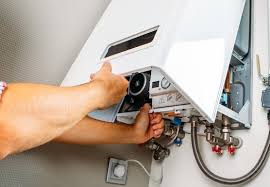
Why a professional boiler installation matters in Westerville, OH
Westerville homes span eras and construction types, from older radiators in historic neighborhoods to modern radiant-floor systems in new builds. Local climate factors like subfreezing winter nights and occasional heavy snow mean boilers must be reliable and sized correctly. Improper sizing, poor integration with existing distribution, or incorrect venting are common sources of inefficiency and service calls. A professional installation minimizes those risks and maximizes comfort, safety, and longevity.
Common boiler installation scenarios seen in Westerville
- Replacing an aging boiler with a modern condensing or conventional model
- Upgrading to a higher-efficiency condensing boiler for lower fuel use
- Converting from steam to low-temperature hot water systems during major remodels
- Integrating a new boiler into a home with mixed heating distribution (radiators and radiant floors)
- Installing a boiler where space, basement conditions, or venting require special planning
Site evaluation: what installers check on site
A thorough site evaluation identifies constraints and opportunities before any equipment is chosen:
- Physical space and clearances in the basement or mechanical room
- Existing distribution type: baseboards, radiators, in-floor radiant, or steam piping
- Fuel source and supply infrastructure: natural gas line capacity, oil tank condition, or electric service
- Venting route options and chimney condition for non-condensing units
- Condensate drain location and capacity for condensing boilers
- Accessibility for installation, replacement, and future service
- Local code compliance considerations and permit needs specific to Westerville and county jurisdictions
System selection guidance: condensing vs conventional boilers
Choosing between condensing and conventional boilers depends on system type and goals:
- Condensing boilers: Highest practical efficiency when paired with low return-water temperatures as found in radiant-floor and properly sized baseboard systems. They require a condensate drain and corrosion-resistant materials, and may need different venting. Ideal for homeowners prioritizing fuel savings and lower emissions over the long term.
- Conventional (non-condensing) boilers: Simpler venting options and better suited when return temperatures are consistently high, such as with older steam conversions or high-temperature radiator systems. They can be cost-effective in short-term replacement scenarios but offer lower efficiency.
A professional will recommend the best fit for your distribution type, expected fuel savings, and installation constraints.
Load calculations and sizing
Proper boiler sizing protects comfort and efficiency. Installers perform a heat loss calculation for your home, factoring in:
- Square footage and room-by-room exposure
- Insulation levels, window types, and air infiltration
- Local design temperature typical for Westerville winters
- Domestic hot water demands if the boiler will provide DHW
This ensures the selected boiler matches your real heating load rather than being oversized, which can cause short cycling and premature wear.
Professional installation steps
Typical installation workflow includes:
- Final site verification and equipment selection
- Removal and responsible disposal of the old unit if present
- Mechanical installation: mounting, piping, and pump integration with existing distribution
- Fuel and vent connections, including necessary upgrades to gas line or chimney lining when required
- Condensate pump and neutralizer installation for condensing boilers when needed
- Integration with existing controls or installation of modern control systems and outdoor reset for efficiency
- System fill, air elimination, and hydraulic balancing for even distribution
- Safety device checks and documentation for permits
Installations follow manufacturer instructions and local code requirements to ensure safety and optimal performance.
Integration with existing heating distribution
Integrating a new boiler into older piping or mixed systems requires careful attention:
- Radiator systems may need low return temperature strategies or mixing valves to prevent condensation in non-condensing units
- Radiant floors typically pair well with condensing boilers and may need dedicated pumping and controls
- Zone control upgrades can improve comfort and efficiency when multiple heating loops exist
A tailored integration plan ensures your new boiler complements existing components rather than stressing them.
Permits, inspections, and local compliance
Boiler installations in Westerville, OH require permits and inspections through local building authorities. Typical requirements include:
- A mechanical permit and gas permit if applicable
- Inspections for fuel connections, venting, combustion safety, and final operation
- Compliance with local building and energy codes and any county-specific rules in Franklin or Delaware County portions of Westerville
A professional installer handles permit submission, schedules inspections, and provides the documentation inspectors need.
Timeline and cost considerations
Project timeline and cost depend on variables such as equipment type, complexity of integration, venting work, and permit processing. Expect these phases:
- Site evaluation and system selection: one visit or estimate appointment
- Permit approval window: varies by jurisdiction, often days to a couple of weeks
- Installation: typically completed in a few days for straightforward replacements; longer if chimney lining, piping rework, or structural changes are required
- Commissioning and final inspection: performed after installation and before final sign-off
Cost drivers include boiler efficiency class, need for gas line upgrades or chimney work, additional controls or zoning, and labor for complex piping or structural access. Professional bids will list included elements so you can compare options based on scope and equipment.
Commissioning tests and quality checks
Before handing over the system, installers perform commissioning to verify safe, efficient operation:
- Pressure and leak tests on piping and system integrity checks
- Combustion analysis and CO testing for safe combustion characteristics on fuel-fired units
- Verification of proper pump operation, zone control sequencing, and thermostat calibration
- Check of condensate drainage and neutralization for condensing models
- System flushing and air removal with balancing to ensure even heat distribution
Documented commissioning provides assurance the system meets performance expectations.
Warranty and service considerations
Boilers commonly carry separate warranties for the heat exchanger, controls, and other components. Important warranty facts to review:
- Manufacturer warranties generally cover defects in materials and workmanship; terms vary by component and model
- Labor coverage is typically separate; verify what installer-provided warranties or workmanship guarantees are offered
- Proper installation and regular maintenance are often conditions of manufacturer warranties, so documented service is important
Maintain records of installation, permits, commissioning, and routine maintenance to preserve warranty rights and support long-term performance.
Benefits and maintenance advice for Westerville homeowners
A properly selected and installed boiler delivers reliable warmth, lower operating costs with the right equipment, and improved home value. To protect that investment:
- Schedule annual service before the heating season to check combustion, controls, and piping
- Bleed radiators or purge air from radiant loops after initial startup and seasonally if needed
- Keep the mechanical room tidy and accessible for service
- Monitor for early signs of trouble: unusual noises, cycling, uneven heating, or water leaks
Proper maintenance extends equipment life and helps Westerville homeowners stay comfortable through cold winters with predictable energy use.
By focusing on accurate sizing, appropriate system selection, code-compliant installation, and thorough commissioning, a professional boiler installation in Westerville, OH ensures safe, efficient heating tailored to your home and local climate conditions.
Hot Deals & Cool Savings

.webp)
New Service Agreement Membership
.webp)
Any New Client Service
Next Service for Referring a New Client
New Service Agreement Membership
Any New Client Service
Next Service for Referring a New Client
.webp)
.webp)

Service Areas
