
Boiler Repair in Westerville, OH
Boiler repair in Westerville, OH, fast diagnostics and safe repairs to restore warmth. Schedule now for reliable, energy-efficient heat.

Boiler Repair in Westerville, OH
Boilers are the backbone of reliable winter comfort in Westerville, OH. With cold Ohio winters and occasional deep freezes, a well-maintained boiler keeps your home safe, warm, and efficient. When a boiler fails, the problem is not only discomfort but potential safety risks, higher energy costs, and water damage.
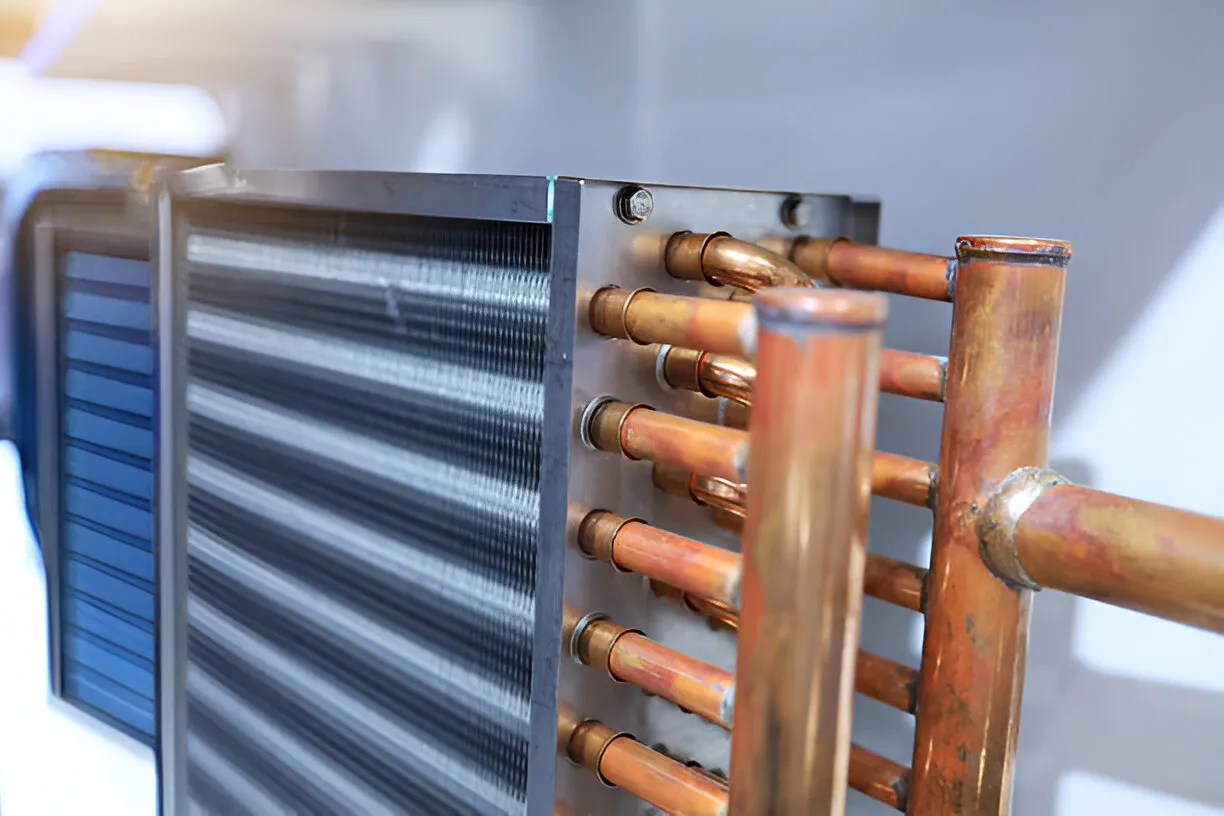
Common boiler repair issues in Westerville, OH
Homeowners in Westerville commonly experience these boiler problems:
- Ignition and ignition control failures — intermittent or no ignition when the thermostat calls for heat, often due to dirty electrodes, faulty ignition modules, or gas valve issues.
- Leaks and corrosion — pinhole leaks in heat exchangers, pipe joints, or valves; accelerated by mineral buildup from local water hardness.
- Pressure problems — low pressure causing no heat or high pressure triggering relief valve discharge; often tied to expansion tank failure or system loss.
- Pilot assembly and flame issues — pilot light failures on older systems or unstable flame caused by a clogged pilot or gas supply irregularities.
- Noisy operation and pump failure — kettling, banging, or a dead circulator pump reducing flow to radiators.
- Thermostat and control malfunctions — inaccurate temperature control, short cycling, or communication faults in modern control systems.
- Flue, venting, and combustion issues — blocked flues or poor draft, especially after winter storms or during freeze-thaw cycles.
These are the most common boiler repair issues in Westerville, and timely diagnosis minimizes major repairs and safety risks.
Diagnostic process: emergency and scheduled
Professional diagnostic work begins differently depending on whether the situation is an emergency or scheduled inspection, but both follow a clear process:
- Initial assessment — identify symptoms, recent changes, and any visible leaks or warning lights. For emergency calls, technicians prioritize safety checks first.
- Visual inspection — check burners, heat exchanger, valves, pumps, pipes, and visible electrical connections for obvious faults.
- System pressure and water checks — measure boiler pressure, expansion tank integrity, and look for signs of leaks or waterlogged tanks.
- Combustion and gas analysis — test for correct gas pressure, combustion efficiency, and safe exhaust byproducts. This step is critical for CO risk assessment.
- Electrical and control diagnostics — test thermostats, relays, ignition modules, and circuit integrity with diagnostic tools.
- Leak tracing and moisture checks — use dye or thermal imaging when leaks are hidden behind walls or under flooring.
- Report and recommendations — provide a clear explanation of the cause, required repairs or part replacements, and safety implications.
Technicians explain findings in plain language and outline options: repair, component replacement, or system upgrade.
Typical repairs and parts replacement
Repairs depend on the diagnosed fault. Common repair tasks include:
- Replacing ignition modules, electrodes, or gas valves for ignition problems.
- Repairing or replacing leaking valves, pressure relief valves, or sections of corroded piping.
- Installing a new circulator pump or reconditioning an existing one.
- Replacing expansion tanks to stabilize system pressure.
- Swapping thermostats or control boards for reliable thermostat communication.
- Heat exchanger repair or replacement when corrosion or cracking is found.
Technicians use OEM or equivalent parts and document replaced components. For Westerville homes with older boilers, part availability and compatibility are discussed upfront.
Safety checks and code compliance
Safety is the top priority in every repair:
- Carbon monoxide testing and combustion gas analysis ensure safe operation.
- Gas leak detection is performed before any work on gas lines or burners.
- Venting and flue inspection verify that exhaust gases discharge properly and are not obstructed by ice, nests, or debris.
- Safety device testing includes pressure relief valves, low-water cutoffs, and automatic shutoffs.
- Licensed technician verification ensures work meets Ohio and local Westerville building codes and inspection requirements.
Because faulty boilers can produce dangerous combustion byproducts or create water damage, full safety verification after repair is standard practice.
Expected response times and scheduling
Emergency situations—no heat in freezing weather, active leaks, or carbon monoxide alarms—typically receive priority response. For non-emergency diagnostics, scheduling usually occurs within a short window to prevent escalation before cold snaps. Technicians aim to provide a clear timeline during the appointment arrangement and will explain whether repairs can be completed during the initial visit or require parts ordering.
Warranty and repair assurances
Professional boiler repairs often include warranties on parts and workmanship. Typical warranty elements that homeowners should confirm include:
- Coverage period for replaced parts and labor.
- Clarification of what is covered (parts, labor, diagnostic fees).
- Documentation provided for warranties and any manufacturer-backed guarantees on replacement components.
Always request written warranty details and keep receipts for future reference, especially for parts like pumps, valves, and heat exchangers.
Preventive tips to reduce future breakdowns in Westerville homes
Local climate and water conditions in Westerville make preventive maintenance particularly valuable:
- Schedule an annual pre-winter tune-up that includes combustion testing, cleaning burners, and checking controls.
- Bleed radiators and purge air from the system to improve circulation and reduce noise.
- Monitor system pressure monthly and top up with the recommended method if pressure drops.
- Inspect visible piping and the boiler area for moisture or corrosion regularly.
- Consider a system flush if mineral buildup is suspected; hard water in central Ohio can accelerate scale formation.
- Ensure proper attic and basement insulation to prevent freeze-related pipe stress and maintain venting clearances from snow and ice.
- Install and maintain carbon monoxide detectors on every floor as an essential safety measure.
Regular maintenance reduces emergency calls, improves efficiency, and extends boiler life.
Why timely repair matters
Prompt, professional boiler repair in Westerville, OH protects your family from safety hazards, lowers energy consumption by restoring efficient operation, and prevents small issues from becoming costly system failures. With local winters that can stress aging equipment, scheduling diagnostics before the coldest months and addressing faults quickly keeps heating systems reliable when you need them most.
This information provides a clear, expert overview of what to expect from professional boiler repair in Westerville, OH, from diagnosis through repairs, safety checks, and preventive care tailored to area conditions.
Hot Deals & Cool Savings

.webp)
New Service Agreement Membership
.webp)
Any New Client Service
Next Service for Referring a New Client
New Service Agreement Membership
Any New Client Service
Next Service for Referring a New Client
.webp)
.webp)

Service Areas
