
Boiler Replacement in Lithopolis, OH
Boiler replacement in Lithopolis, OH with expert sizing and code-compliant installation. Schedule a free on-site assessment today; get a quote.

Boiler Replacement in Lithopolis, OH
Replacing a boiler is one of the most important investments you can make for comfort, safety, and long-term energy savings in Lithopolis homes. With Ohio winters bringing prolonged cold and frequent heating demand, an outdated or undersized boiler can mean high utility bills, uneven heat, and the risk of emergency breakdowns at the worst possible time.
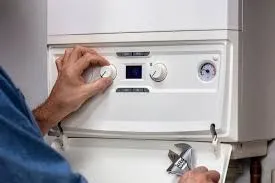
Why replace your boiler now (common problems we see in Lithopolis)
- Age and reliability: Many boilers older than 15–20 years lose efficiency and require frequent repairs. In Lithopolis, where heating seasons are long, age-related failure is common.
- Rising energy bills: Older units can waste fuel through incomplete combustion and poor cycling, driving up monthly costs.
- Uneven heating or cold spots: Improperly sized or failing boilers can’t maintain consistent temperatures across multi-level or older homes common in the area.
- Safety concerns: Cracks, corrosion, or faulty combustion control create carbon monoxide risks and need immediate attention.
- Space and venting limitations: Some Lithopolis homes were built with boiler rooms or chimneys not compatible with modern high-efficiency units.
Types of boiler replacement scenarios
- Full replacement of a failing cast-iron or steel boiler
- Upgrade to a high-efficiency condensing boiler to reduce fuel use
- Conversion from oil or electric to natural gas where local service is available
- Replacement to support new zoning or radiant heat systems
- Complete system replacement when multiple components (boiler, controls, pumps) have reached end of life
On-site assessment and diagnostics
The replacement process begins with a detailed on-site assessment tailored to Lithopolis homes and local codes. This includes:
- Visual inspection of the existing boiler, flue, boiler room ventilation, and nearby piping
- Review of past service records and current comfort complaints
- Measurement of available clearances, chimney or venting condition, and fuel type
- Basic safety checks, including combustion testing and CO detection when needed
A thorough assessment ensures the new boiler will fit, vent properly, meet safety requirements, and deliver the performance your home needs.
Load and sizing calculations (why size matters)
Correct sizing is critical. Oversized boilers cycle inefficiently; undersized units can’t keep up on cold Lithopolis nights. Technicians perform a heat load calculation (often called a Manual J or similar) that accounts for:
- Home square footage, insulation levels, window types, and orientation
- Local climate factors (design winter temperatures for the region)
- Existing distribution system (radiators, baseboards, in-floor radiant)This calculation determines the heating output needed and guides selection toward an efficient, right-sized boiler.
Guidance on selecting energy-efficient models
Energy-efficient choices reduce fuel costs and emissions. Considerations include:
- Condensing vs non-condensing: Condensing boilers recover more heat from exhaust and are typically more efficient in homes with lower return water temperatures.
- Modulating burners: These adjust output to match demand and reduce cycling.
- Integrated controls and smart thermostats: Improve zoning and can reduce runtime.
- Compatibility with existing distribution: Radiant floor systems often benefit from low-temperature condensing boilers.Selecting the right combination of efficiency features based on your home’s needs and budget delivers the best long-term value.
Removal of existing equipment and site preparation
Safe removal of the old boiler involves:
- Draining and flushing system water if required
- Disconnecting fuel, electrical, and control wiring per code
- Proper disposal or recycling of the old unit and components
- Temporary protection of floors and living areas during workTechnicians inspect piping and components to determine what can be reused and what should be replaced for reliability.
Professional installation and commissioning
Installation covers mechanical, electrical, and control work:
- Mounting and connecting the new boiler, pumps, valves, and expansion tanks
- Proper venting and combustion air provisions per local code
- Filling, purging, and balancing the hydronic system
- Commissioning tests: combustion efficiency checks, safety control verification, and system performance validationCommissioning ensures the system operates safely and at the efficiencies expected.
Permits, inspections, and code compliance in Lithopolis
Boiler replacement in Lithopolis requires adherence to local and state codes. Typical items handled by professionals include:
- Securing necessary permits from Lithopolis or Fairfield County authorities
- Ensuring venting, combustion air, and fuel piping meet Ohio building and mechanical codes
- Scheduling required inspections and providing documentation to inspectorsProper compliance avoids delays, protects safety, and preserves any manufacturer warranties tied to code-compliant installation.
Financing and rebate options
Many homeowners in the Lithopolis/Columbus area find replacement more affordable through financing and incentive programs. Options to explore:
- Manufacturer or installer financing with terms that spread payments
- State and utility rebates or incentives for high-efficiency equipment applicable in Ohio
- Tax credits or energy-efficiency programs that support condensing or high-efficiency systemsEvaluating incentives alongside life-cycle fuel savings helps determine the most cost-effective solution for your home.
Expected timelines
- On-site assessment and quote: 1–2 business days to schedule; assessment typically 1–2 hours
- Permit acquisition: varies by jurisdiction; commonly a few days to two weeks
- Typical replacement duration: single-unit swaps often completed in 1–2 days; more complex conversions or system upgrades can take 2–4 days
- Commissioning and final inspection: usually the same day as installation or within a day afterwardTimelines depend on parts availability, scope of work, and permit/inspection scheduling.
Warranty, aftercare, and maintenance
- Manufacturer warranties cover parts for specified terms; labor warranties are often separate and provided by the installer
- Recommended aftercare includes annual tune-ups, combustion testing, and filter/vent checks to maintain efficiency and safety
- Consider a maintenance plan that includes priority service, seasonal checks, and discounted repair laborProper maintenance extends equipment life, preserves warranty coverage, and prevents disruptive mid-winter failures.
Final considerations for Lithopolis homeowners
Replacing a boiler is both a safety and economic decision. In Lithopolis, where winters demand reliable heat, a properly sized, code-compliant, and efficiently installed boiler brings immediate comfort improvements, lower fuel costs, and long-term peace of mind. When assessing replacement options, prioritize accurate load calculations, correct venting and combustion setup, and a clear plan for permits and inspections. Ongoing maintenance and adherence to warranty terms will keep your new system performing well for years to come.
Hot Deals & Cool Savings

.webp)
New Service Agreement Membership
.webp)
Any New Client Service
Next Service for Referring a New Client
New Service Agreement Membership
Any New Client Service
Next Service for Referring a New Client
.webp)
.webp)

Service Areas
