
Boiler Installation in Lithopolis, OH
Boiler installation in Lithopolis, OH delivers precise sizing, safe venting, and reliable performance. Learn more about our complete installation process today.

Boiler Installation in Lithopolis, OH
Installing a new boiler is a major home improvement decision. In Lithopolis, OH, where cold winters and seasonal temperature swings put heating systems to the test, a correctly sized, properly installed boiler delivers consistent comfort, lower energy bills, and fewer repairs.
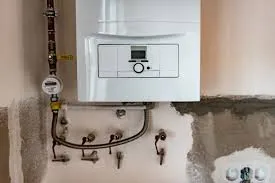
Why proper boiler installation matters in Lithopolis, OH
Lithopolis sits in central Ohio where freezing temperatures, snow, and occasional ice storms are common in winter. Poorly installed boilers or undersized systems struggle to keep homes warm and risk freeze-related pipe damage. Proper installation ensures:
- Efficient heat delivery across your home even on the coldest days
- Reduced risk of condensate or venting problems that can arise with Ohio humidity and temperature swings
- Compliance with local code and safety requirements
- Easier maintenance and longer equipment life
Initial consultation and load calculations
A professional installation always begins with a thorough consultation and on-site assessment. Key steps include:
- Reviewing your home layout, existing distribution (radiators, baseboard, underfloor), insulation levels, and occupancy patterns
- Checking existing fuel supply: natural gas, propane, or oil, and verifying supply capacity and pressure
- Performing a heat loss calculation (Manual J or equivalent) to determine the precise heating capacity needed
- Discussing system preferences such as single-point controls or zoned thermostats, and any future remodeling plans
Accurate load calculations prevent oversizing, which wastes fuel and causes short-cycling, and undersizing, which leaves rooms cold.
Recommended system types for Lithopolis homes
Different home configurations and homeowner priorities lead to different boiler choices. Typical options explained simply:
- Combi boilers: Combine space heating and domestic hot water in one compact unit. Good for smaller homes or where space is limited. Efficiency is high, but output for simultaneous heavy DHW demand can be limited.
- System boilers: Use a separate hot water storage tank for higher domestic hot water capacity while keeping most components built into the boiler. Suitable for medium-size homes with moderate hot water needs.
- Conventional (traditional) boilers: Often paired with a separate storage cylinder and external components. Well-suited to larger homes or those with multiple bathrooms and high simultaneous hot water demand.
Fuel type, distribution system, and household water use patterns guide the final recommendation.
Site preparation and permitting
Before installation begins, professionals prepare the site and secure any required permits. Typical steps:
- Verify clearances, venting routes, and combustion air availability per local code
- Prepare a stable, level mounting surface for the boiler and space for service access
- Arrange for removal of the old boiler and safe disposal or recycling
- Coordinate any gas line upgrades or electrical work with licensed contractors
- Submit permit applications when required and schedule inspections
Thorough site prep minimizes surprises and keeps the project on schedule.
Step-by-step installation and testing process
A clear, stepwise installation improves reliability and safety. The typical workflow:
- Isolate utilities and disconnect the old system safely.
- Remove old equipment and clean the area, inspecting piping and radiators for corrosion or leaks.
- Install new boiler mounting hardware and secure the unit in place.
- Connect supply and return hydronic piping, condensate drain, fuel line, and electrical controls.
- Install or update venting and combustion air systems to meet code and manufacturer specs.
- Fill, purge, and balance the hydronic system, bleeding air from radiators and zones.
- Configure controls, set safety limits, and program thermostats or zone controllers.
- Perform combustion analysis (for gas/propane boilers) to optimize burner performance and check emissions.
- Leak test and pressure test the system to verify integrity.
- Run a full operational test through a heating cycle, verifying even heat distribution and stable operation.
Each step is documented, and adjustments are made to ensure peak performance.
Safety, venting, and code considerations
Safety is non-negotiable for boiler installations:
- Proper venting is essential to remove combustion byproducts and avoid backdrafting. The vent size, material, and termination location are chosen per manufacturer and code.
- Combustion air requirements must be met, especially in tightly sealed Lithopolis homes, to maintain efficient burning and avoid carbon monoxide risk.
- Pressure relief valves, expansion tanks, and backflow prevention devices are installed and tested.
- Installers follow Ohio plumbing and mechanical codes and schedule inspections to ensure compliance.
Professionals use carbon monoxide detectors and monitor combustion to ensure a safe system before leaving the site.
Commissioning, documentation, and handover
Commissioning verifies the system operates as intended and that homeowners receive complete documentation:
- A commissioning checklist records calibration data, combustion test results, setpoints, and water pressures.
- Homeowners receive system manuals, warranty papers, maintenance schedules, and copies of permits and inspection certificates.
- Installers review operation, maintenance tips, and troubleshooting basics with the homeowner to ensure confident use.
Documentation provides peace of mind and is necessary for future service or warranty claims.
Expected project timeline
Typical timelines vary by project scope:
- Simple replacement in the same location: 1 to 2 days
- Replacement involving venting, gas line work, or minor piping changes: 2 to 4 days
- Replacing system type or extensive piping and zoning changes: up to 5 days or more
Permits, inspections, or unexpected repairs to old piping can extend timelines. Clear scheduling and upfront assessment reduce delays.
Warranty and aftercare
Professional installations include manufacturer equipment warranties and workmanship coverage. Common warranty elements:
- Manufacturer warranty for parts and heat exchangers (terms vary by model)
- Installer workmanship warranty covering labor and installation-related issues for a defined period
- Documentation of service and any system settings saved at commission time
Regular maintenance keeps warranties valid and preserves efficiency. Recommended aftercare includes annual inspection and cleaning, periodic boiler water checks, and prompt attention to any unusual noises or performance changes.
Common installation issues and how they are prevented
Homeowners in Lithopolis may encounter these issues if installations are not handled properly:
- Poorly sized boilers leading to short cycling or insufficient heat: prevented by accurate load calculations
- Inadequate venting or combustion air causing safety risks: prevented by proper vent design and code compliance
- Air trapped in hydronic systems causing cold spots: prevented by thorough flushing and balancing
- Condensate issues with high-efficiency boilers in freezing weather: prevented by insulated condensate piping and appropriate routing
A professional installation addresses these risks proactively.
Final notes on choosing the right solution for Lithopolis homes
Choosing the right boiler involves balancing home size, hot water demand, fuel availability, and long-term efficiency goals. In central Ohio’s climate, prioritize correct sizing, robust venting and freeze protection, and reliable commissioning to ensure comfort all winter. Proper documentation and scheduled maintenance will protect your investment and keep your system running safely and efficiently for years.
For Lithopolis, OH homeowners, a professional, code-compliant installation tailored to local weather and home characteristics provides the best combination of comfort, safety, and operating cost control.
Hot Deals & Cool Savings

.webp)
New Service Agreement Membership
.webp)
Any New Client Service
Next Service for Referring a New Client
New Service Agreement Membership
Any New Client Service
Next Service for Referring a New Client
.webp)
.webp)

Service Areas
