
Boiler Repair in Lithopolis, OH
Boiler repair experts in Lithopolis, OH diagnose and fix boilers, with safety checks, warranties, and fast service. Learn more.

Boiler Repair in Lithopolis, OH
Boilers are central to comfort and safety in Lithopolis homes and businesses, especially during cold Ohio winters. When a boiler fails — whether it’s a slow leak, ignition problems, or pressure fluctuations — the issue can quickly affect heating, hot water, and indoor air safety.
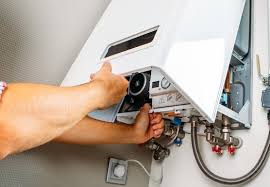
Why timely boiler repair matters in Lithopolis, OH
Cold snaps in central Ohio put boilers under heavy load. Extended operation during winter increases the chance that small faults become major failures. In older homes found in parts of Lithopolis, aging pipework, hard water mineral buildup, and legacy installations often complicate repairs. Fast, accurate diagnostics and compliant repairs protect your property from water damage, prevent carbon monoxide risks, and restore reliable heat when you need it most.
Common boiler problems in Lithopolis homes and businesses
- Leaks and water damage: Corroded fittings, failed seals, or cracked heat exchangers cause visible leaks or hidden loss of pressure.
- Ignition and burner failures: Faulty ignition modules, dirty burners, or gas-supply interruptions can prevent a boiler from lighting.
- Pressure and expansion issues: Low or high water pressure, malfunctioning expansion tanks, and stuck pressure relief valves lead to cycling problems and noise.
- Circulator/pump failures: Worn circulator pumps or zone valve issues result in uneven heating or radiators that don’t warm.
- Control and sensor faults: Failing thermostats, aquastats, or control boards produce erratic operation or prevent the boiler from running.
- Combustion and venting problems: Blocked flues, deteriorating chimneys, or poor combustion create safety hazards including carbon monoxide risk.
How diagnostics work: step-by-step assessment
- Initial safety check: Technicians confirm the presence of CO detectors, shut down power/gas if hazards exist, and visually inspect for active leaks.
- System history & symptom review: Collecting information about recent noises, cycling patterns, or prior repairs helps narrow the fault.
- Pressure and temperature verification: Measure system pressure, temperature, and flow to identify plumbing or expansion issues.
- Electrical and control testing: Use meters to test thermostats, relays, ignition modules, and control boards.
- Combustion and gas checks: For gas-fired boilers, combustion analysis and gas-pressure testing verify safe burner performance and efficiency.
- Leak isolation and internal inspection: Components like heat exchangers, seals, and connectors are inspected; if needed, the system is partially drained to examine internal parts.
- Diagnostic report and repair plan: A clear, prioritized list of recommended repairs or replacements is prepared, explaining urgency and safety implications.
Typical repair process
- Secure the site and isolate utilities if necessary.
- Drain and depressurize the boiler when internal components must be accessed.
- Replace faulty components (see list below) and install new seals, gaskets, or fittings.
- Reassemble and refill the system, then purge air from radiators and piping.
- Perform combustion tuning and leak/pressure tests.
- Run the system through full cycles, verify thermostat communication, and re-check safety devices.
- Document all work and provide a labeled checklist of completed safety and compliance items.
Parts commonly repaired or replaced
- Pressure relief valves, zone valves, and shutoff valves
- Circulator pumps and motor assemblies
- Ignition modules, gas valves, and burners
- Thermostats, aquastats, and control boards
- Expansion tanks and bladder replacements
- Heat exchanger repairs or replacements (major repair)
- Seals, gaskets, sensors, and pressure gauges
Some parts (like heat exchangers) are major components where replacement may approach the cost of a new boiler; decisions consider age, efficiency, and long-term reliability.
Safety, compliance, and documentation
Repairs in Lithopolis follow manufacturer guidelines and applicable local and state safety codes. Common safety checks include:
- Carbon monoxide monitoring and combustion-efficiency testing.
- Venting and flue integrity inspections.
- Pressure relief valve operation and proper discharge routing.
- Gas-line leak testing and shutoff functionality.
- Verification of electrical wiring and proper grounding.
Technicians should provide documentation showing the work performed, parts installed, test results (combustion numbers, pressure tests), and any recommended follow-up actions. This documentation is important for insurance, warranties, and future service history.
Emergency response and scheduling expectations in Lithopolis
Response windows depend on weather and seasonal demand. In Lithopolis and surrounding areas:
- Emergency situations (no heat in freezing conditions, active leaks, suspected CO): Typically handled as high priority with arrival often within 1–4 hours when crews are available. Severe weather and peak-season demand can extend that window.
- Non-emergency repairs and diagnostics: Usually scheduled within 1–3 business days, with follow-up parts replacement arranged based on part availability.
These are local industry-typical timelines; actual response can vary by provider and time of year.
Warranty and service guarantees: what to expect
- Manufacturer warranties generally cover heat exchangers and major components for set terms; length varies by brand and model.
- Service and parts warranties from repair providers commonly cover replaced parts for a limited period and often include a workmanship guarantee for a stated number of days after repair.
- Clarify what a warranty covers (parts only vs parts and labor), whether diagnostic fees are separate, and how warranty claims are handled with manufacturer parts.
Always keep receipts and the work documentation to validate warranty claims.
Preventive maintenance recommendations for Lithopolis properties
- Schedule an annual tune-up before winter to clean burners, test combustion, and inspect safety devices.
- Check system pressure monthly and top off as needed per manufacturer instructions.
- Bleed radiators or baseboard loops to remove air and restore even heat.
- Maintain clearances around the boiler, keep the area dry, and protect exterior pipes from freezing.
- Test CO detectors monthly and replace batteries regularly.
- Consider water treatment or system flushing every 3–5 years to control mineral buildup and corrosion in older systems.
Regular maintenance reduces emergency repairs, improves efficiency, and extends equipment life—especially important in Lithopolis where prolonged cold increases system stress.
Hot Deals & Cool Savings

.webp)
New Service Agreement Membership
.webp)
Any New Client Service
Next Service for Referring a New Client
New Service Agreement Membership
Any New Client Service
Next Service for Referring a New Client
.webp)
.webp)

Service Areas
