
Boiler Replacement in Lewis Center, OH
Boiler replacement in Lewis Center, OH: learn options, assessment, installation steps, financing, warranty, and energy savings. Learn more.

Boiler Replacement in Lewis Center, OH
Replacing an aging or failing boiler is a major decision for homeowners in Lewis Center, OH. With cold Ohio winters, variable spring and fall temperatures, and a mix of older and newer construction in the community, a reliable, correctly sized, and energy-efficient boiler keeps your home comfortable and lowers long-term heating costs.
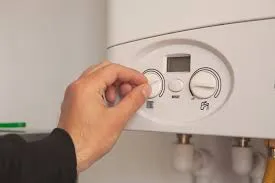
Why replace a boiler now?
- Frequent breakdowns, rising repair costs, or inability to maintain set temperatures are common signs your boiler is near end of life.
- Older non-condensing boilers can waste significant fuel in the colder months common to Ohio, increasing heating bills.
- If you plan home upgrades that reduce heat load (insulation, windows), right-sizing during replacement avoids oversized equipment that cycles inefficiently.
- New energy codes and efficiency programs make replacement a pragmatic time to upgrade to modern, lower-cost operation and improve home value.
Common boiler replacement scenarios in Lewis Center, OH
- Complete failure during peak winter demand after years of incremental repairs.
- Chronic inefficiency: longer run-times and higher fuel consumption compared to newer systems.
- Switching fuel types (electric to natural gas, oil to gas) where utility access or economics make sense.
- Adding domestic hot water capacity or choosing a combi boiler for combined space heating and hot water.
- Renovation-driven replacements to integrate zoning, modern controls, and boiler efficiency improvements.
Assessment and right-sizing
A proper replacement begins with a full assessment of your existing equipment, distribution system, and home heat demand. Key steps:
- Visual inspection of boiler, piping, venting, controls, and flue.
- Review of past service records and fuel usage patterns to identify chronic issues.
- Heat loss calculation (commonly called a Manual J) to determine the actual heating load based on home size, insulation, windows, and occupancy patterns.
- Evaluation of distribution: radiators, baseboards, in-floor heating, or forced-air integration affects boiler type and sizing.
Right-sizing prevents oversized boilers that short-cycle and undersized units that run constantly. In Lewis Center, many newer homes have lower loads than older counterparts, so a like-for-like replacement without a heat load check often leads to inefficiency.
Energy-efficient model recommendations
Energy-efficient options to consider in Lewis Center homes:
- Condensing boilers: Capture extra heat from flue gases for higher efficiency, especially in low-temperature hydronic systems.
- Modulating-condensing boilers: Adjust output to match demand, reducing cycling and fuel use during mild Ohio days.
- Combi boilers: Combine space heating and domestic hot water in a compact unit for homes with limited space and moderate hot water demand.
- High-efficiency gas boilers: For neighborhoods with natural gas access, modern gas boilers offer strong efficiency and lower operating costs than older units or some fuel oils.
- Smart controls and outdoor reset: Match boiler output to outdoor temperature, improving comfort and cutting fuel consumption during shoulder seasons.
Expect potential energy savings of roughly 10 to 30 percent when moving from an older non-condensing boiler to a high-efficiency condensing or modulating-condensing model, depending on system design and usage patterns.
Removal, disposal, and recycling
Safe removal of an old boiler includes:
- Draining and isolating the hydronic system before disassembly.
- Safe disconnect of gas, oil, or electrical connections by licensed technicians.
- Proper vent and flue sealing and inspection.
- Recycling of metals and environmentally responsible disposal of components like oil tanks or PCBs where present.Local regulations may require documentation of disposal; installers typically handle permits and disposal compliance on your behalf.
Step-by-step installation process
A typical replacement follows these stages:
- Final equipment selection based on assessment and homeowner preferences.
- Permit application and scheduling with local building department.
- Pre-installation preparation: clear access, fuel line checks, and materials staging.
- Removal of the old boiler and safe disposal.
- Installation of new boiler, venting, and combustion air systems; upgrade of piping and isolation valves as needed.
- System flush and water treatment to remove sediment and protect new heat exchanger.
- Controls integration: thermostats, zone valves, and smart interfaces.
- Startup, combustion testing, and performance tuning.
- Final inspection by local code officials and issuance of occupancy/compliance sign-off if required.
Permits, code compliance, and inspections
Boiler replacement in Lewis Center requires adherence to Ohio state codes and local building and mechanical codes. Typical requirements:
- Mechanical and/or plumbing permits pulled before work begins.
- Combustion air and venting must meet code, especially in tight homes.
- Gas piping changes may require licensed gas fitters and pressure testing.
- Final inspection to verify safe operation and compliance.Proper permitting protects homeowners, ensures safe installation, and preserves eligibility for rebates or insurance coverage.
Financing and rebate guidance
Replacing a boiler is an investment with options to ease cash flow:
- Manufacturer warranties often accompany new boilers; extended labor coverage may be available through service plans.
- Utility rebates, state incentive programs, and federal tax credits for energy-efficient equipment can lower upfront cost; availability varies and may require specific efficiency ratings or qualified installers.
- Financing options from lenders or energy efficiency loan programs can spread payments over time.When evaluating options, compare projected fuel savings, expected life span, and warranty coverage to determine total cost of ownership.
Expected timelines and warranties
- Assessment and quote: typically 1 to 7 days, depending on scheduling.
- Permit approval: local timelines vary; often 3 to 14 days.
- Installation: many residential replacements are completed in 1 to 3 days for straightforward jobs; complex conversions or system upgrades may take longer.
- Final inspection: scheduled based on local inspector availability.Common warranties include 5 to 12 years on major components like heat exchangers and shorter terms for parts and labor. Keep warranty documents and service records for future claims.
Long-term cost and efficiency benefits
Replacing an outdated boiler improves reliability, reduces emergency repair risk during Ohio winters, and lowers operating costs over time. Benefits include:
- Reduced fuel bills thanks to higher combustion and system efficiency.
- Improved comfort with more responsive temperature control and zoning options.
- Fewer breakdowns and lower annual maintenance costs when a new system is properly installed and commissioned.
- Increased home value and marketability, especially when energy-efficient upgrades are documented.
Maintenance and longevity tips
- Annual tune-ups keep efficiency and safety in check; combustion testing and cleaning matter most in hard-use climates.
- Address system water quality to prevent corrosion and scaling that shorten component life.
- Maintain proper clearance and ventilation for combustion appliances.
- Re-assess controls and thermostat schedules seasonally to align with occupancy and outdoor temperature patterns.
Replacing a boiler in Lewis Center, OH provides measurable comfort improvements and cost savings when the system is properly assessed, right-sized, and installed to current codes. Prioritizing energy efficiency, code compliance, and good system commissioning ensures the new boiler delivers reliable heat through Ohio winters and efficient performance year after year.
Hot Deals & Cool Savings

.webp)
New Service Agreement Membership
.webp)
Any New Client Service
Next Service for Referring a New Client
New Service Agreement Membership
Any New Client Service
Next Service for Referring a New Client
.webp)
.webp)

Service Areas
