
Boiler Repair in Lewis Center, OH
Boiler repair in Lewis Center, OH offers fast, reliable service. Learn how we diagnose, fix common faults, and restore warmth today.

Boiler Repair in Lewis Center, OH
When a boiler fails in Lewis Center, OH, homeowners feel the impact quickly. Cold winter temperatures and older neighborhood housing stock put extra demand on heating systems, so fast, reliable boiler repair is essential to restore comfort and protect your property.
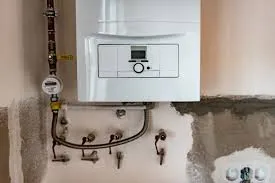
Why timely boiler repair matters in Lewis Center, OH
Lewis Center experiences cold winters that push boilers to operate for extended periods. Running a compromised boiler can increase energy use, accelerate component wear, and risk leaks or carbon monoxide problems. Prompt diagnosis and repair preserve system efficiency, reduce safety concerns, and extend the working life of your boiler — all especially important for homes that rely on hydronic heat during months with subfreezing temperatures.
Common boiler problems in Lewis Center homes
Below are the frequent issues local homeowners encounter, with likely causes and typical signs to watch for.
- Ignition and pilot failures
- Causes: worn electrodes, faulty gas valves, blocked burners, or failed igniters.
- Symptoms: boiler fails to light, repeated lockouts, or the pilot light will not stay lit.
- Leaks (heat exchanger, joints, valves)
- Causes: corrosion from age, high system pressure, or failed seals.
- Symptoms: visible water around the boiler, low system pressure, or damp spots on nearby flooring.
- Pressure and expansion issues
- Causes: faulty expansion tanks, pressure relief valve problems, or loss of system water.
- Symptoms: fluctuating radiators, frequent pressure drops, or relief-valve discharge.
- Thermostat and control failures
- Causes: wiring faults, outdated controls, or sensor failure.
- Symptoms: boiler runs continuously, won’t respond to set temperature, or displays error codes.
- Circulator pump and zone valve problems
- Causes: electrical failure, seized bearings, or air locked systems.
- Symptoms: no heat to certain areas, grinding noises, or reduced flow through radiators.
- Heat exchanger cracks and blockages
- Causes: thermal stress, corrosion, or scale buildup from hard water.
- Symptoms: decreased heat output, strange smells, or in serious cases a safety shutdown.
On-site diagnostic process
A proper repair begins with systematic diagnostics performed during the initial visit:
- Visual inspection of the boiler cabinet, piping, valves, and visible components to identify leaks, corrosion, and obvious electrical issues.
- Control and safety check, reading error codes, testing thermostats, pressure switches, and safety interlocks.
- Combustion and ignition testing, including burner inspection and electrode checks where applicable.
- Hydronic system evaluation, checking pressure, expansion vessel condition, air in the system, and pump operation.
- Component-level testing, using multimeters and gauges to confirm electrical continuity, gas supply, and sensor output.
Technicians combine these steps to isolate root causes and determine whether on-site repair, component replacement, or more extensive work is necessary.
Typical repairs and component replacement
Repair options are tailored to the diagnosis. Common solutions include:
- Replacing ignition electrodes, thermocouples, or electronic igniters to restore reliable starts.
- Repairing or replacing leaky valves, seals, or sections of piping; addressing corrosion at the heat exchanger when feasible.
- Servicing or replacing circulator pumps and zone valves to restore flow.
- Repairing or replacing pressure relief valves, expansion tanks, or filling valves to stabilize system pressure.
- Updating thermostats and control boards for better performance and diagnostics.
- Cleaning burners and flushing the heat exchanger to remove scale and improve efficiency.
When a heat exchanger is cracked, replacement is often recommended for safety and long-term reliability. Technicians explain whether repair or replacement is the best option and what to expect from each.
Emergency boiler repair in Lewis Center
Boiler failures during cold snaps require rapid response. Emergency repair services address safety concerns first: shutting down fuel supply, isolating leaks, and stabilizing the system. Technicians prioritize restoring heat and making temporary repairs if full replacement parts are not immediately available, then schedule follow-up work to complete permanent fixes. Localized weather and supply considerations can affect parts availability, so emergency responses may include temporary measures to keep your home heated until a full repair is possible.
Repair timelines and parts/warranty information
Repair timelines depend on the fault and parts availability. Many common repairs such as igniter replacement, thermostat swaps, pump changes, or valve repairs are completed within a few hours during a single visit. More complex work, such as replacing a heat exchanger or control board, can take one to several days when parts must be ordered.
Parts typically come with manufacturer warranties; reputable replacement components carry their own warranty terms that cover defects for a set period. Service work can also be covered by warranties from installers or third-party service agreements. Always ask the technician to document replaced parts and warranty coverage for future reference.
Preventive maintenance tips for Lewis Center boilers
Regular maintenance reduces emergency repairs and protects efficiency, especially in a region with harsh winters:
- Schedule annual boiler tune ups before the heating season to check combustion, clean burners, and test safety controls.
- Bleed radiators and purge air from the system to ensure even heat distribution and reduce pump strain.
- Monitor system pressure monthly and top up according to manufacturer guidance to prevent dry-running pumps and expansion tank stress.
- Inspect visible piping and floor space around the boiler for early signs of leaks or corrosion.
- Consider a water quality check if your home has hard water; scale buildup accelerates heat exchanger wear.
- Upgrade thermostats and controls when practical to gain better diagnostics and energy savings.
Final notes on reliability and safety
Boiler repair in Lewis Center, OH requires a balance of quick response, accurate diagnosis, and quality parts. Addressing issues promptly during the fall and early winter prevents comfort interruptions and reduces the risk of costly secondary damage. Proper documentation of repairs and warranty coverage also helps protect your investment over time. For Lewis Center homes, combining yearly maintenance with timely repairs is the most effective way to keep your boiler safe, efficient, and dependable through cold months.
Hot Deals & Cool Savings

.webp)
New Service Agreement Membership
.webp)
Any New Client Service
Next Service for Referring a New Client
New Service Agreement Membership
Any New Client Service
Next Service for Referring a New Client
.webp)
.webp)

Service Areas
