
Boiler Installation in Lewis Center, OH
Professional boiler installation in Lewis Center, OH. Safe, efficient upgrades with expert site evaluation and reliable post-install support. Learn more.

Boiler Installation in Lewis Center, OH
Replacing or installing a boiler is one of the most important upgrades a homeowner can make for reliable winter comfort and long-term energy savings. In Lewis Center, OH, where winters are cold and heating demand is high, a properly sized and professionally installed boiler ensures steady heat, safer operation, and improved efficiency.
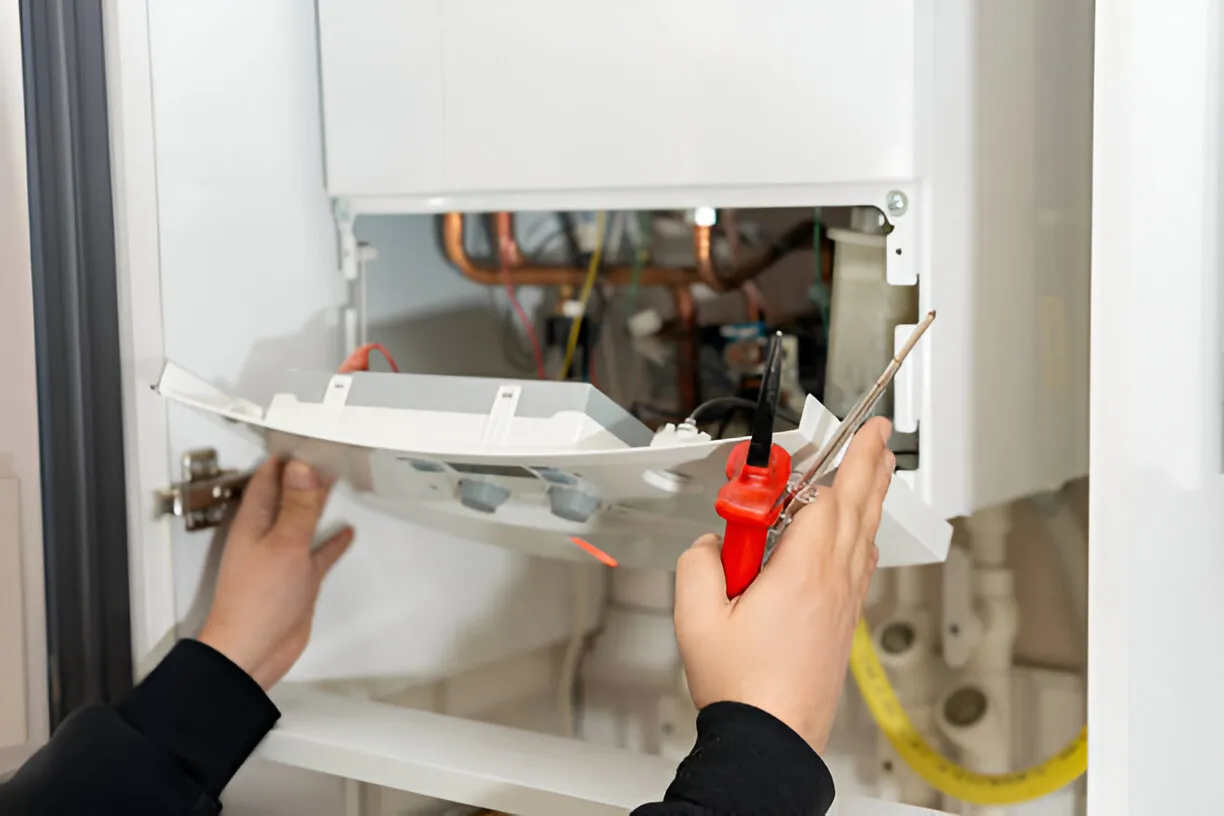
Why a professional boiler installation matters in Lewis Center, OH
Lewis Center experiences sustained cold periods that place high loads on home heating systems. Improperly sized or poorly installed boilers lead to short cycling, uneven heating, higher energy bills, and premature component failure. Professional installation addresses site-specific factors such as fuel availability, venting routes, local building code, and freeze protection measures so your system performs reliably throughout Ohio winters.
Common reasons homeowners replace or install boilers
- System age and failure: Boilers over 15 to 20 years old often lose efficiency and require frequent repairs.
- Rising energy costs: New high-efficiency models provide measurable savings on fuel use.
- Inability to meet load: Home additions or changes in insulation and windows may mean the existing boiler is undersized.
- Safety concerns: Rust, leaks, or corrosion in the heat exchanger can lead to unsafe operation.
- Fuel conversion or availability: Switching from oil to natural gas or propane, or installing where gas service is newly available.
- Desire for domestic hot water integration: Installing combi boilers or separating domestic hot water systems for efficiency and convenience.
Types of installations and fuel options common in Lewis Center, OH
- Natural gas boilers: Widely used where municipal gas service is available. Offers lower fuel cost and convenient refueling.
- Propane boilers: Common in semi-rural properties without gas mains. Requires proper tank sizing and supply considerations.
- Oil boilers: Less common but still present in some older homes. Replacement often involves converting to gas or propane where feasible.
- Electric boilers: Used in smaller properties or where combustion systems are impractical. Check local electricity costs before selecting.
- Combi boilers: Provide space heating and on-demand domestic hot water in a compact package, suitable for many Lewis Center homes with smaller DHW demands.
- Condensing modulating boilers: High-efficiency option that adapts output to demand, particularly effective in Ohio climates with long heating seasons.
Initial site evaluation and system selection
A thorough pre-installation evaluation includes:
- Heat load calculation: Manual J or equivalent sizing based on square footage, insulation, window area, and local heating degree days. Proper sizing avoids oversizing and short cycling.
- Fuel and venting assessment: Confirm fuel type, line capacity, and viable venting or chimney options. Identify need for direct-vent, power-vent, or chimney liner.
- Piping layout and room assessment: Review existing radiators, baseboard, or underfloor systems and plan piping, pump location, and expansion tanks.
- Electrical and controls: Evaluate available circuits, subpanel needs, and thermostat or zone control strategies.
- Water quality and treatment: Check for corrosive or hard water that can shorten boiler life and plan for filtration or chemical treatment when needed.
- Permit and code review: Identify required local permits and inspections from Delaware County and township building departments and ensure Ohio mechanical and plumbing codes are met.
Professional installation steps
- Removal and site preparation: Safe decommissioning and removal of the old boiler, proper disposal of fuel lines if converting fuel type, and preparation of the pad or platform.
- Mechanical installation: Positioning the new boiler, connecting supply and return piping, installing expansion tank, pressure relief valve, backflow preventer, and circulation pumps as required.
- Venting and combustion air: Installing or modifying flue liners, chimneys, or direct vent pipes and providing required combustion air openings.
- Fuel and electrical connections: Proper gas, oil, propane line hookups and electrical wiring to code, including grounding and dedicated breakers.
- Controls and zoning: Installing thermostats, zone valves or zone pumps, outdoor reset controls, and integration with existing home automation if applicable.
- System fill, purging, and pressurization: Introducing water, air purging, system balancing, and setting system pressure.
- Safety checks and combustion tuning: Performing combustion analysis, CO testing, draft checks, and safety device verification.
- Final inspection and documentation: Completing required permit inspections and providing operation documentation and warranty information.
Testing, commissioning, and compliance
Testing and commissioning confirm the installation is safe and performs as expected:
- Hydrostatic and leak tests of piping and connections.
- Thermostat and zone verification, ensuring even heat distribution.
- Combustion efficiency and CO testing for gas and oil boilers.
- Verification of venting draft and condensate drainage for condensing units.
- Recording operating pressures, temperatures, and control settings for homeowner reference.
Installations in Lewis Center must comply with Ohio mechanical and plumbing codes and local Delaware County permit requirements. Proper documentation is critical for inspection sign-off and future resale value.
Warranty and post-installation support
- Manufacturer warranty: Covers defects in the boiler itself. Duration varies by make and model and may depend on proper installation and registration.
- Workmanship warranty: A separate warranty on installation labor, piping, and system integration. Expect clarity on the warranty period and what it covers.
- Post-installation support: Includes start-up training, documentation of system settings, and recommended maintenance schedules. Regular annual tune-ups preserve efficiency and maintain warranty eligibility.
Energy-efficient options and local considerations
- Condensing boilers with high AFUE ratings recover latent heat from exhaust gases, offering substantial fuel savings in Lewis Center winters.
- Modulating burners and variable-speed pumps reduce short cycling and improve comfort.
- Zoned heating and smart thermostats deliver targeted comfort and lower energy use in occupied spaces.
- Combining boiler replacement with insulation and window upgrades maximizes energy savings.
- Consider freeze protection and backup strategies for cold snaps and occasional power outages common in Ohio winters.
- Investigate potential local or state incentives for high-efficiency equipment and check eligibility when planning a replacement.
Maintenance tips to extend system life
- Schedule annual professional service before the heating season for combustion tune-up, safety checks, and cleaning.
- Monitor system pressure and address drops or frequent topping off, which may indicate leaks or a failing expansion tank.
- Bleed radiators or purge air from baseboard loops to maintain even heat.
- Flush and treat hydronic systems periodically to prevent corrosion and deposit buildup.
- Keep boiler room clear for ventilation and service access, and ensure vent terminations remain unobstructed by snow or debris in winter.
Hot Deals & Cool Savings

.webp)
New Service Agreement Membership
.webp)
Any New Client Service
Next Service for Referring a New Client
New Service Agreement Membership
Any New Client Service
Next Service for Referring a New Client
.webp)
.webp)

Service Areas
