
AC Replacement in Canal Winchester, OH
Air conditioning replacement in Canal Winchester, OH delivers higher efficiency, comfort, and lower energy bills. Schedule expert removal and installation today.

Air Conditioning Replacement in Canal Winchester, OH
Replacing an aging or failing air conditioner is one of the most effective ways to restore comfort, cut cooling bills, and reduce emergency repair headaches in Canal Winchester homes. With hot, humid Ohio summers and growing energy costs, an older low-efficiency AC often struggles to keep indoor temperatures consistent while drawing up utility bills.
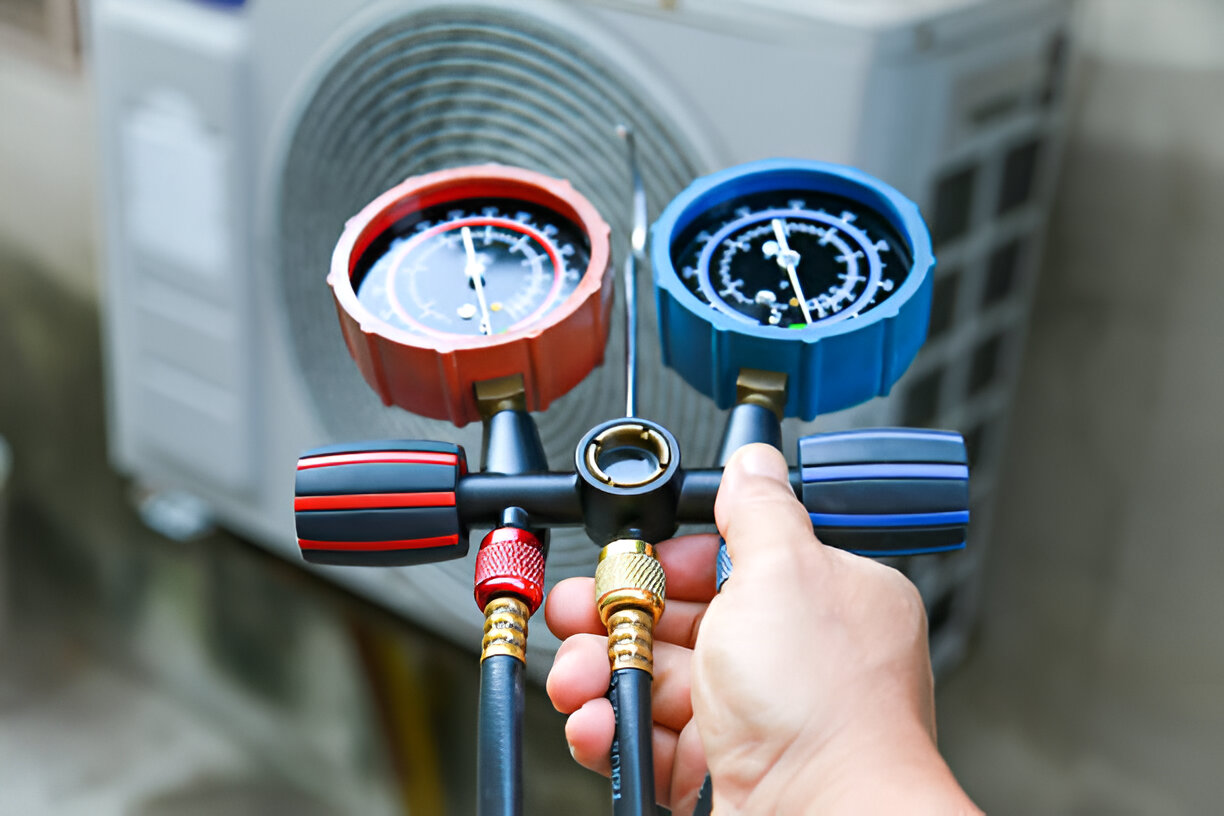
Common signs your AC should be replaced
Watch for these clear indicators that replacement is the better long-term choice versus another repair:
- Age: Most central ACs last 12 to 15 years. Units older than 12 years often face major component failures and declining efficiency.
- Frequent breakdowns: Multiple service calls in a single cooling season signal diminishing reliability.
- Rising utility bills: A steady increase in cooling costs despite regular maintenance indicates loss of efficiency.
- Poor comfort or uneven cooling: Rooms that never reach set temperature or large temperature swings often point to oversized/undersized equipment or failing components.
- Use of phased-out refrigerant (R-22): R-22 is costly and restricted; systems using it are expensive to repair.
- Major component failure: A failed compressor or heat exchanger often tips the scale toward replacement.
How we evaluate repair vs. replacement
Deciding between repairing and replacing an AC requires a practical comparison of immediate costs, future reliability, and long-term operating expense.
Key factors considered:
- Estimated repair cost vs. replacement cost — a common rule of thumb: if a single repair approaches 50% of the cost of a new system and the unit is over 10 years old, replacement is typically more economical.
- System age and maintenance history — older, repeatedly repaired units have shorter remaining life and lower efficiency.
- Energy performance — modern systems deliver substantially lower seasonal energy use.
- Refrigerant type and availability — repairs requiring R-22 can be prohibitively expensive.
- Home comfort needs — if your home layout or occupancy has changed, a new correctly sized system improves comfort and efficiency.
A thorough on-site evaluation includes equipment inspection, refrigerant check, airflow measurement, duct assessment, and an estimate of annual operating costs for both options.
Choosing a higher-efficiency system
Upgrading to a modern, higher-efficiency system delivers better comfort control and lower energy bills — especially valuable in Canal Winchester’s humid summers.
Features and choices to consider:
- SEER rating: Seasonal Energy Efficiency Ratio (SEER) measures cooling efficiency. Upgrading from a 10 SEER unit to a 16–20+ SEER system can reduce cooling energy use noticeably.
- Variable-speed compressors and fans: Provide quieter operation, steadier temperatures, and improved humidity control.
- Two-stage or modulating operation: Improves efficiency and comfort by running at lower capacity most of the time.
- Heat pump options: Modern heat pumps offer efficient cooling and heating, useful for milder shoulder seasons.
- Matched system components: A properly matched indoor coil and outdoor unit maximize system efficiency and longevity.
- Smart thermostats and zoning: Improve control and can increase effective savings when paired with a high-efficiency system.
Correct sizing with a Manual J load calculation and ductwork evaluation are essential to realize the rated performance of any new equipment.
Removal, disposal, and code compliance
Safe, code-compliant removal preserves the environment and protects your home.
What the removal process includes:
- EPA-compliant refrigerant recovery: Certified technicians recover refrigerant before removing equipment to prevent releases. Special care is required for older R-22 systems.
- Recycling and disposal: Metal, copper, and other materials are recycled where possible; hazardous components are disposed of per local regulations.
- Permit and code coordination: Installations typically follow local building codes and may require permits or inspections. The installation team coordinates required paperwork.
- Clean, protected work areas: Flooring and landscaping are protected during equipment removal and delivery.
Typical installation timeline and homeowner expectations
A straightforward like-for-like replacement is often completed in one day, but timelines vary:
- Pre-install evaluation: 1 visit to size equipment, inspect ducts, and finalize options.
- Delivery and installation: 1 day for direct replacements; 2–4 days if ductwork, electrical upgrades, or system changes are needed. Complex projects can take longer.
- Start-up and testing: System is charged, balanced, and tested for airflow, refrigerant levels, and thermostat calibration.
- Walkthrough: Technician reviews system operation, maintenance needs, and any safety considerations.
Expect a professional installation to include cleanup and recycling of old equipment.
Expected energy savings and ownership costs
Energy savings depend on the old unit’s age and the efficiency of the new system, plus duct condition and user habits.
Typical improvements:
- Upgrading from an older 8–10 SEER unit to a 16–20+ SEER model can reduce cooling energy use by roughly 15–35%, depending on home insulation, duct losses, and local summer temperatures.
- Replacing a failing unit can eliminate repeated emergency repair costs and reduce annual maintenance expenses.
- Proper duct sealing and insulation often add 10–30% effective performance improvement beyond equipment efficiency gains.
In Canal Winchester’s hot, humid months, efficient equipment paired with good airflow and humidity control delivers both energy savings and improved comfort.
Financing, incentives, and promotions
Several financing and incentive paths often offset upfront costs:
- Flexible financing options: Many lenders and manufacturers offer installment plans or deferred-payment arrangements to spread investment over time.
- Manufacturer promotions and rebates: Seasonal promotions and rebates may be available on high-efficiency models.
- Utility rebates and local incentives: Local utilities and state programs sometimes provide rebates for qualifying high-efficiency equipment or heat pumps.
- Federal and state tax incentives: Energy-efficiency credits for certain systems may be available; eligibility varies by program and year.
Check current incentive availability and financing terms when evaluating replacement options.
Long-term benefits and maintenance
Replacing your AC restores reliable operation and provides benefits beyond lower bills:
- Stable comfort and better humidity control during Canal Winchester summers.
- Fewer emergency repairs and more predictable ownership costs.
- Improved indoor air quality with modern filtration and ventilation options.
- Compliance with refrigerant regulations and safer disposal of old equipment.
- Longer equipment life with regular maintenance — planned tune-ups protect efficiency and warranty coverage.
Choosing the right replacement starts with a clear evaluation of your home’s needs, realistic energy savings expectations, and an installation that follows best practices. A properly selected and installed high-efficiency system can turn summer discomfort and high cooling expenses into predictable comfort and lower operating costs for years to come.
Hot Deals & Cool Savings

.webp)
New Service Agreement Membership
.webp)
Any New Client Service
Next Service for Referring a New Client
New Service Agreement Membership
Any New Client Service
Next Service for Referring a New Client
.webp)
.webp)

Service Areas
