
AC Repair in Canal Winchester, OH
Air Conditioning Repair in Canal Winchester, OH - fast diagnostics, reliable repairs, and same-day service. Schedule your repair today.

Air Conditioning Replacement in Canal Winchester, OH
Replacing an aging or failing air conditioner is one of the most effective ways to restore comfort, cut cooling bills, and reduce emergency repair headaches in Canal Winchester homes. With hot, humid Ohio summers and growing energy costs, an older low-efficiency AC often struggles to keep indoor temperatures consistent while drawing up utility bills.
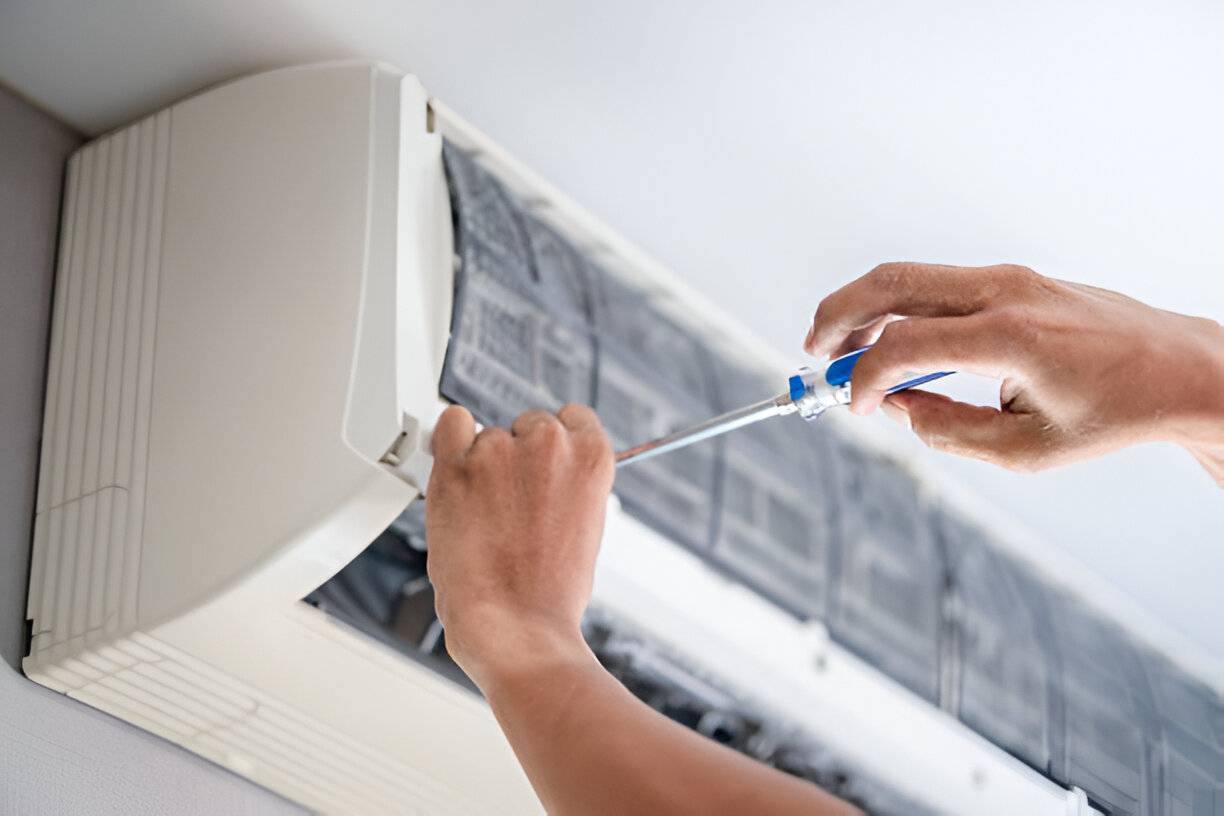
Why timely AC repair matters in Canal Winchester
Canal Winchester experiences hot, humid summers that push residential systems hard from late May through September. High humidity increases run time and accelerates wear on compressors, motors, and controls. Delaying repair can lead to higher energy use, reduced comfort, and more costly failures down the road. Prompt diagnosis and repair restores cooling, improves efficiency, and prolongs equipment life.
Common AC problems in Canal Winchester homes
Focus on the most frequent, decision-driving issues so you know what to expect:
- No cooling or weak airflow - could be refrigerant loss, compressor failure, blocked return vents, or failing blower motor.
- Short cycling or frequent on-off cycles - often caused by electrical faults, thermostat problems, or a failing compressor.
- Unusual noises - grinding, screeching, or banging usually point to motor bearings, failing fan blades, or loose components.
- Ice on evaporator coil - commonly due to low refrigerant, poor airflow, or a failing blower.
- High energy bills - reduced efficiency from dirty coils, aging systems, or refrigerant problems.
- Failure to start or intermittent operation - electrical issues, capacitors, contactors, or control board faults.
- Warm air from vents - could be a compressor issue or refrigerant depletion.
Emergency and same-day response explained
Emergency situations and same-day response are designed to restore safe operation quickly.
- Emergency response applies when there is no cooling during extreme heat, a system that is producing burning smells or smoke, or a safety concern such as a tripped breaker that indicates an electrical hazard.
- Same-day service is commonly available for loss-of-cooling calls during peak season. A technician will prioritize diagnostics and perform repairs that can safely be completed on the first visit, or provide a temporary fix and schedule follow-up for parts replacements.
- Expect technicians to perform a rapid assessment on arrival, identify immediate safety issues, and then outline short-term actions versus full repairs needed.
How technicians diagnose AC failures
A professional diagnosis follows a systematic process to find root causes and avoid repeat visits:
- Visual inspection of indoor and outdoor units for obvious damage, leaks, or blocked airflow.
- Check thermostat settings and batteries, and confirm system is receiving power.
- Verify airflow and measure temperature split between supply and return ducts.
- Evaluate electrical components - capacitors, contactors, fuses, breakers, and control board operation.
- Check refrigerant pressures with gauges to identify low charge or overcharge and to detect leaks.
- Test compressor operation, fan motors, and safety switches.
- Inspect coils for dirt, corrosion, or ice and examine condensate drain for clogs.
- Provide a clear diagnosis and repair options with expected parts and labor involved.
Technicians explain findings in plain language, what caused the issue, and which repairs will restore reliable operation.
Typical repair solutions and parts replacement
Common repairs and what they involve:
- Capacitor replacement - Capacitors help start motors. Swapping a failed capacitor is a quick repair that often restores fan or compressor operation.
- Contactor or relay replacement - Worn electrical contacts can cause intermittent operation; replacements are straightforward.
- Fan motor or blower motor replacement - Motors wear out with age; replacement may include bearings and balancing.
- Compressor repairs or replacement - Compressor failure is a major repair. In many cases, replacing the compressor or the outdoor condensing unit is required.
- Refrigerant leak detection and repair - Technicians locate and repair leaks, then recharge the system. Note that refrigerant type affects availability and cost.
- Evaporator or condenser coil cleaning and repair - Dirty or damaged coils reduce efficiency; cleaning and minor coil repairs can restore performance.
- Thermostat replacement or recalibration - Incorrect thermostat readings cause comfort issues; replacing with a modern, compatible thermostat can improve control.
- Control board repair - Replacing or repairing the control board resolves complex electrical issues.
When parts are replaced, technicians use compatible components and explain whether OEM or aftermarket parts are recommended based on reliability and warranty.
Pricing and warranty information
Cost varies depending on the repair complexity, parts required, system age, and refrigerant type. Factors that commonly influence price include:
- Extent of labor and diagnostic time.
- Cost and availability of parts - older systems or phased-out refrigerants can increase parts cost.
- Whether repairs are temporary fixes or full component replacements.
- Local permit or disposal requirements for refrigerant recovery.
Warranty considerations:
- Parts typically carry manufacturer or installer warranties for a specified period. Labor warranties may differ from parts warranties.
- If a repaired component is covered under a manufacturer warranty, replacement parts are often warranted through that manufacturer.
- Keep documentation of any parts and labor warranties provided after service, including details on what the warranty covers and how long it lasts.
Repair versus replacement: how to decide
Repair is usually recommended when:
- The system is relatively new and a single component failed.
- Repairs restore efficiency and operation cost effectively.
- The issue involves something that does not indicate widespread system deterioration.
Replacement should be considered when:
- The system is nearing the end of expected life - often around 10 to 15 years depending on maintenance history.
- Multiple failures have occurred in a short period.
- Repairs are frequent or the cost to repair approaches a substantial portion of a replacement cost.
- The system uses an obsolete refrigerant with limited availability and high recharge cost.
- You want a step change in efficiency and lower operating costs for a long term.
A practical rule of thumb is to weigh repair cost, system age, expected remaining life, and seasonal reliability. Replacing an older, inefficient unit can be more cost effective over several years in Canal Winchester’s humid climate due to high seasonal run time.
Benefits of prompt repair and routine maintenance
Timely repair restores comfort and prevents secondary damage like frozen coils or compressor burnout. Routine seasonal maintenance reduces emergency failures, improves efficiency, and extends equipment life. Simple homeowner maintenance that supports system health includes changing air filters regularly, keeping outdoor condensers clear of debris, and ensuring return vents are unobstructed.
Hot Deals & Cool Savings

.webp)
New Service Agreement Membership
.webp)
Any New Client Service
Next Service for Referring a New Client
New Service Agreement Membership
Any New Client Service
Next Service for Referring a New Client
.webp)
.webp)

Service Areas
