
AC Installation in Canal Winchester, OH
Air Conditioning Installation in Canal Winchester, OH: Learn more about sizing, installation, and performance for comfort and energy efficiency.

Air Conditioning Installation in Canal Winchester, OH
Installing a new air conditioning system in Canal Winchester, OH is about more than swapping old equipment for new. With hot, humid Ohio summers and a mix of older and newer homes across the city, the right installation ensures reliable comfort, lower energy bills, and better indoor humidity control.
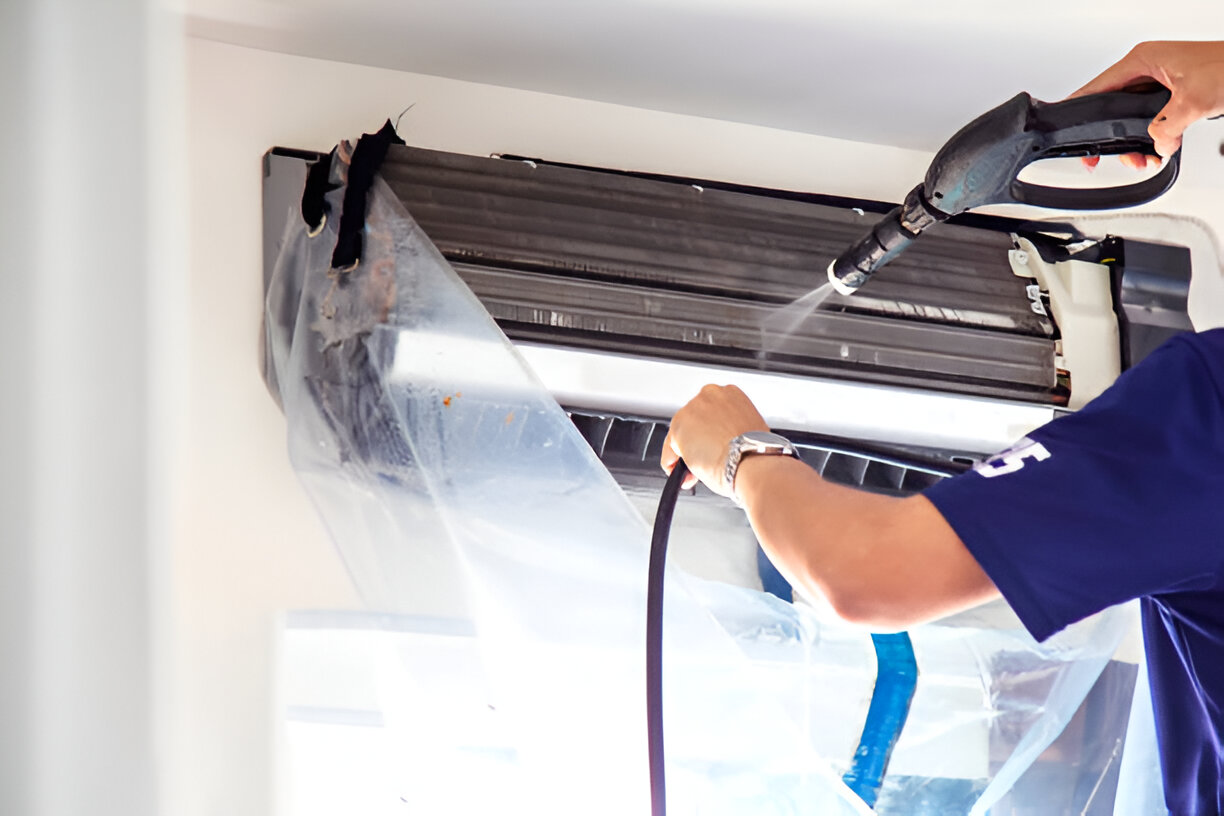
Why proper installation matters in Canal Winchester homes
Canal Winchester’s summer heat and humidity put extra stress on undersized or poorly installed AC systems. A correctly sized, energy-efficient system will:
- Keep indoor humidity under control for comfort and mold prevention
- Cycle less frequently, reducing wear and extending equipment life
- Cut utility bills in a region with significant cooling demand
- Improve indoor air quality through proper ventilation and filtration
Common AC installation issues in Canal Winchester include undersized or oversized equipment, restricted airflow from older ductwork, and inadequate condensate management in homes with basements or crawlspaces.
Common types of installations and when they’re appropriate
- Central split-system air conditioners: Best for most single-family homes with existing ductwork; pairs with a matching furnace or air handler.
- Heat pump systems: Efficient for both cooling and heating, a good choice for homeowners seeking higher efficiency and potential utility savings.
- Ductless mini-split systems: Ideal for room additions, historic homes without ducts, or targeted zoning.
- Packaged units: Used when indoor space for a furnace/air handler is limited.
Home load assessment and unit sizing (Manual J)
A professional load assessment is the first step. This is not a rule-of-thumb calculation; it accounts for:
- Square footage and ceiling heights
- Insulation levels and window types
- Orientation and shading of the home
- Number of occupants and internal heat gains
- Local climate factors like Canal Winchester’s humidity and seasonal temperature swings
Proper sizing (based on Manual J calculations) prevents short cycling, inadequate dehumidification, and premature component failure. Installers should also perform a duct heat loss/gain analysis (Manual D) when ducts serve the calculated areas.
Comparing energy-efficient models
When evaluating systems, consider these performance factors:
- SEER rating (Seasonal Energy Efficiency Ratio): Higher SEER equals lower cooling costs. For Canal Winchester summers, choosing a higher SEER unit can provide measurable savings.
- Variable-speed compressors and fans: Improve humidity control and maintain steady comfort with quieter operation.
- ENERGY STAR certified models: Meet stricter efficiency and performance standards.
- Matched systems: Ensure indoor and outdoor components are matched by the manufacturer for proper operation and to preserve warranty coverage.
Long-term value depends on efficiency, noise level, warranty terms, and how well the system matches your home’s needs.
Ductwork and ventilation considerations
Duct condition often determines real-world comfort more than the AC unit itself. Key considerations:
- Duct sealing and insulation: Leaky ducts in attics or crawlspaces can lose significant cooled air, eroding efficiency.
- Right-sizing ducts: Airflow must match the new unit’s capacity and static pressure limits to avoid hot/cold spots.
- Return-air placement: Adequate return pathways prevent negative pressure and reduce dust infiltration.
- Ventilation and IAQ: Consider fresh air ventilation or ERV/HRV integration if the home is tightly sealed; add upgraded filtration if allergies or indoor pollutants are a concern.
Many Canal Winchester homes benefit from a duct inspection during installation to identify leaks, restrictions, or poorly designed runs.
Professional installation steps
A professional installation typically follows this sequence:
- Pre-installation inspection and load calculations
- Selecting equipment and verifying compatibility with existing ductwork and electrical supply
- Site preparation, including removal and disposal of old equipment if present
- Mechanical installation: mounting outdoor unit, connecting refrigerant lines, installing indoor coil/air handler or connecting to existing furnace
- Electrical connections and verification of proper circuit protection and disconnects
- Condensate drain setup and overflow protection to prevent basement or crawlspace water issues
- Thermostat or control system integration, including zoning where applicable
Technicians should follow manufacturer guidelines, EPA refrigerant handling rules, and local code requirements throughout.
Testing and commissioning
Proper testing validates installation quality:
- Measure airflow (CFM) and compare to design values
- Check refrigerant charge and superheat/subcooling for optimum performance
- Verify supply and return temperatures and calculate delta-T
- Test safety controls, condensate shutoffs, and electrical loads
- Conduct a final walkthrough to explain system operation and basic maintenance points
A thorough commissioning ensures the system achieves efficiency and comfort targets from day one.
Available rebates and financing
Canal Winchester homeowners may qualify for various incentives:
- Manufacturer rebates on high-efficiency models
- Utility or local energy program rebates for upgrading to ENERGY STAR or high-SEER equipment
- Federal or state tax credits for qualifying equipment (subject to current program rules)
- Installer financing options to spread the cost over time
Discuss incentives and financing options with your installer early, since rebates often require pre-approval or specific documentation.
Warranty registration and maintenance enrollment
Registering the manufacturer warranty promptly preserves coverage. Consider:
- Manufacturer vs installer labor warranty differences
- Extended labor warranties for additional peace of mind
- Enrolling in a preventive maintenance plan to maintain efficiency, reduce emergency repairs, and often extend warranty eligibility
A seasonal maintenance plan typically includes filter checks, refrigerant level checks, electrical inspections, and system tune-ups that keep your new investment operating efficiently.
Long-term benefits and homeowner maintenance tips
A professionally installed, properly sized AC system delivers:
- More consistent comfort and better humidity control during Canal Winchester summers
- Lower monthly cooling costs and longer equipment life
- Fewer emergency repairs and improved indoor air quality
Homeowner maintenance tips:
- Replace or clean filters every 1 to 3 months depending on use and filter type
- Keep outdoor unit clear of debris and vegetation
- Schedule an annual HVAC tune-up before peak cooling season
- Monitor condensate drains and pan for signs of backup
- Seal and insulate ducts found in unconditioned spaces
Proper installation paired with routine maintenance maximizes comfort, efficiency, and equipment longevity in Canal Winchester homes.
Hot Deals & Cool Savings

.webp)
New Service Agreement Membership
.webp)
Any New Client Service
Next Service for Referring a New Client
New Service Agreement Membership
Any New Client Service
Next Service for Referring a New Client
.webp)
.webp)

Service Areas
