
Water Heater Replacement in Powell, OH
Water Heater Replacement Powell OH: evaluation, energy options, professional installation, warranty and maintenance plans. Learn more.

Water Heater Replacement in Powell, OH
When a water heater starts failing, it affects daily life immediately: cold showers, higher energy bills, and the risk of leaks and water damage. For homeowners in Powell, OH, timely water heater replacement is both a comfort and a risk-management decision. Cold winters, seasonal temperature swings, and local water hardness can shorten a tank system’s life and make replacement the most cost-effective option.
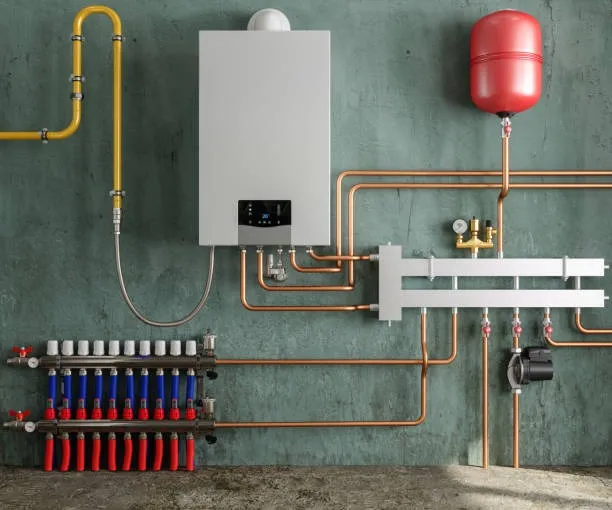
Common indicators that replacement is recommended
Recognizing the signs early helps avoid emergency failures and water damage. Common replacement indicators in Powell, OH homes include:
- Age of the unit: Most tank water heaters last 8 to 15 years depending on maintenance and water quality. As the unit approaches that range, replacement becomes more likely.
- Rusty or discolored hot water: Rust inside the tank signals corrosion and impending tank failure.
- Leaks around the tank or connections: Any leak from the tank body typically means replacement, not repair.
- Persistent sediment and noisy operation: Hard water in the region causes sediment buildup, which reduces efficiency and can crack heating elements.
- Inconsistent hot water or long recovery times: If hot water runs out faster than before, the tank may have lost capacity or the burner/element is failing.
- Rising energy use: Older units lose efficiency over time; higher utility bills for the same usage suggest replacement.
- Frequent repairs: When repair frequency is increasing, replacement is usually more economical long term.
Evaluating and selecting the right replacement system
Choosing the correct replacement depends on capacity needs, energy efficiency goals, fuel availability, and space constraints.
- Sizing (capacity): For tank systems, typical sizing guidelines are:
- 1 to 2 people: smaller tanks often meet needs
- 2 to 3 people: mid-size tanks are common
- 3+ people or frequent simultaneous use: larger tanks or higher-flow tankless systemsTankless systems are sized by required flow rate (gallons per minute) and expected peak simultaneous uses (shower + dishwasher, etc.). A proper evaluation measures typical household usage patterns rather than guessing by family size alone.
- Fuel type considerations:
- Natural gas: Common in the region and offers fast recovery for tank systems and high output for tankless models.
- Electric: Widely available and simpler to install but may have higher operating cost in cold months unless paired with efficient heat pump technology.
- Propane: Used where natural gas is not available.
- Heat pump (hybrid): Highly efficient in moderate climates but performance can be affected by very low ambient temperatures; in Powell, hybrid models can work well in conditioned spaces or with backup electric heating.
- Tankless (on-demand): Provide continuous hot water and save space; best when properly sized and vented. They perform differently in colder climates because incoming groundwater temperatures require higher energy input to reach setpoint.
- Efficiency and metrics: Look at Uniform Energy Factor (UEF) and energy-efficiency ratings. Higher UEF means lower operating energy per unit of hot water delivered. For heat pump systems, consider seasonal performance and whether the unit will be installed in a conditioned area.
- Space and venting: Tankless and high-efficiency gas units may require new venting or exhaust systems; heat pumps need space and proper airflow.
Removal and safe disposal of the old unit
Safe removal involves several steps to protect your home and meet local regulations:
- Shut off utilities (gas or electric) and water.
- Drain the tank fully and disconnect plumbing and venting.
- Remove and cap gas lines or secure electrical disconnections per code.
- Transport the old tank for recycling or disposal in accordance with local waste rules. Metal recycling and proper handling of insulation and anode rods reduce environmental impact.
- If asbestos or other hazardous materials are suspected (rare in modern systems), proper abatement procedures must be followed.
Permits and inspections may be required in Powell or the Columbus metro area for gas or major plumbing changes; a qualified professional will ensure compliance.
Expected timelines and what the process looks like
- On-site evaluation and recommendation: Usually completed during an initial visit or virtual consult to assess needs, space, and utility type.
- Scheduling and equipment delivery: Depends on product availability; many standard units are available quickly, while specialty or high-efficiency models may require lead time.
- Removal and installation: Typical installations for like-for-like tank replacements can often be completed in a few hours to a full day. Conversions (e.g., electric to gas, adding venting, or switching to tankless or heat pump) may take longer and could require additional trades and inspections.
- Final testing and demonstration: After installation, the system is pressure-tested, venting is checked, and controls are set; homeowners are shown basic operation and maintenance needs.
Energy savings and available incentives
Replacing an older, inefficient unit with a modern high-efficiency tank, a heat pump, or a properly sized tankless system typically reduces energy consumption and increases comfort. Actual savings depend on local utility rates, household hot water usage, and the efficiency difference between old and new equipment.
Homeowners in Powell may qualify for federal, state, or local utility rebates and incentives for high-efficiency water heaters. Additionally, manufacturers sometimes offer incentives for ENERGY STAR certified units. Check current programs through local utilities and energy efficiency initiatives when selecting a model.
Warranty and maintenance plan options
- Manufacturer warranty: Covers defects and varies by model and component; longer warranties are often available on tanks and heat exchangers for higher-end models.
- Labor warranty: Protects against installation-related problems for a specified period; confirm the coverage period and what it includes.
- Maintenance plans: Annual or semi-annual maintenance extends lifespan:
- Flushing the tank to remove sediment (especially important in hard water areas)
- Inspecting and replacing the sacrificial anode rod when required
- Testing the temperature and pressure relief valve
- Checking burners, pilot assemblies, or heating elements and electrical connections
- Verifying venting and controls on gas or tankless systems
Regular maintenance is especially important in Powell because seasonal cold and hard water accelerate wear.
Benefits of timely replacement and practical maintenance tips
Replacing a failing water heater prevents property damage risk, restores reliable hot water, improves energy efficiency, and can add to home value. Practical maintenance tips for Powell homeowners:
- Set your water heater to 120 F for safety and efficiency.
- Insulate exposed hot water pipes and, if applicable, the tank with an approved blanket.
- Flush tanks annually to reduce sediment buildup from local hard water.
- Monitor for small leaks, rust, or changes in performance and address them before they worsen.
- Consider installing a water leak detector near the tank for early warning in basements and utility rooms.
Replacing a water heater is a technical decision with lasting effects on comfort and operating cost. A clear evaluation of household needs, local climate impacts, fuel options, and maintenance requirements ensures you choose the right system for your Powell, OH home.
Hot Deals & Cool Savings

.webp)
New Service Agreement Membership
.webp)
Any New Client Service
Next Service for Referring a New Client
New Service Agreement Membership
Any New Client Service
Next Service for Referring a New Client
.webp)
.webp)

Service Areas
