
Water Heater Repair in Powell, OH
Water heater repair in Powell, OH delivers fast, safe fixes for tank or tankless units. Schedule service today.

Water Heater Repair in Powell, OH
Getting reliable hot water is essential for comfort and daily routines in Powell, OH. Whether your home has a traditional tank water heater or a tankless unit, professional water heater repair in Powell, OH addresses symptoms quickly, pinpoints root causes, and restores safe, efficient operation. Local homes face seasonal temperature swings and moderately hard water that increase the likelihood of sediment buildup, corrosion, and freeze-related issues—making timely diagnosis and repair important.
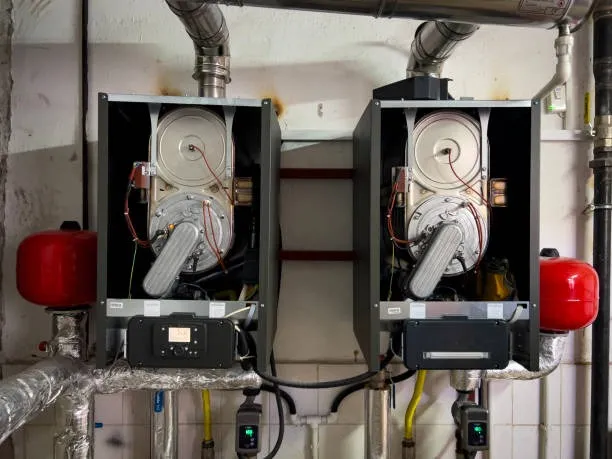
Common water heater issues in Powell, OH
Homeowners in Powell most often call for these problems:
- No hot water — complete loss of hot water or inconsistent supply.
- Insufficient hot water — heater runs but capacity is reduced.
- Leaks — from the tank, valves, fittings, or pressure relief valve.
- Pilot light or burner problems — flame won’t stay lit, yellow flame, or soot buildup.
- Sediment buildup — reduced efficiency, noisy operation, premature element failure.
- Thermostat or heating element failures — electric elements or control thermostats that fail to heat properly.
- Strange noises — popping or rumbling from mineral deposits.
- Water temperature fluctuations — cycling too hot or too cool.
- Pressure or safety valve issues — leaking or stuck T&P valve.
How technicians diagnose the problem (step-by-step)
A clear, methodical diagnostic process isolates the cause without unnecessary parts replacement:
- Initial intake and symptom review — technician documents model, age, symptoms, and any recent changes (power outages, plumbing work, water discoloration).
- Safety shutoff and inspection — power or gas is turned off, and the area is checked for gas odors, corrosion, or visible leaks.
- Visual and functional checks — inspect venting, burner/pilot assembly (gas), electrical connections and circuit breakers (electric), and anode rod condition.
- Testing key components
- Electric: measure voltage and test thermostats/heating elements with a multimeter.
- Gas: check pilot, thermocouple, gas valve operation, and burner flame quality.
- Tank: check for signs of corrosion, leaks at seams, fittings, and the T&P valve.
- Assess water quality impact — check for sediment, scale, and indicators of hard water that may affect performance.
- Pressure and temperature checks — verify thermostat settings and water pressure to ensure proper operation.
- Estimate and recommendation — present repair options, expected parts and labor activities, and replacement considerations when repair is no longer economical.
Typical repair procedures and what they involve
Below are common repairs and the general steps technicians take:
- Relighting or repairing pilot/burner assemblies (gas units)
- Shut off gas, inspect pilot tube and thermocouple, clean or replace as needed, relight and verify stable flame and burner operation.
- Replacing heating elements or thermostats (electric units)
- Power off, drain or lower tank water level if necessary, remove and test elements, install new element(s), reseal and restore power.
- Flushing sediment and descaling
- Drain to low level, open tank drain and flush until clear, inspect anode rod, and reinstall; persistent buildup may require professional descaling or element replacement.
- Repairing or replacing valves and fittings
- Isolate water, drain tank, replace faulty temperature and pressure (T&P) valves, inlet/outlet shutoff valves, or leaking fittings.
- Anode rod replacement
- Remove corroded anode, replace with appropriate rod type to extend tank life and reduce corrosion.
- Tank leak evaluation
- If leak is from a seam or corroded tank shell, replacement is generally recommended; small external leaks from fittings can often be repaired.
- Control board or sensor replacement (tankless systems)
- Diagnose error codes, clear blockages, replace faulty sensors or control boards, and test flow and temperature performance.
Typical parts and labor factors
Repair needs vary by system age, fuel type, and access:
- Common parts: thermostats, heating elements, anode rods, T&P valves, pressure relief valves, thermocouples, gas valves, burners, flues, sensors, and control boards for tankless units.
- Labor variables: unit accessibility, whether the tank must be drained, gas line work, electrical disconnection/reconnection, and local code compliance checks.
- Cost drivers include age of the unit (older units often need more parts), extent of mineral damage, and emergency or after-hours service requests. Local climate and hard water in Powell can increase frequency of sediment-related repairs.
Emergency response and winter considerations
Powell winters can create urgent water heater needs—frozen pipes, loss of heat in subzero stretches, or sudden leaks requiring immediate attention:
- Emergency repair options typically include priority dispatch, temporary shutdown and isolation to prevent water damage, and temporary hot water solutions when possible.
- During cold spells, outdoor components, venting and condensate lines should be checked for freezing; insulating exposed pipes and checking pressure relief lines can reduce emergency risk.
Warranty and service guarantees (what to expect)
- Manufacturer warranties commonly cover major components for a defined period; coverage varies by brand and model and often excludes labor.
- Service providers may offer limited labor warranties for repairs; these are typically time-limited and cover the specific part and labor performed.
- Keep appliance records, installation receipts, and service logs—these documents are important for honoring warranty claims and for transferability on property sales.
Maintenance tips to prevent future breakdowns in Powell homes
- Flush your tank at least annually to reduce sediment buildup—more frequently if your water is hard.
- Test the T&P valve once a year to ensure it opens freely and drains as expected.
- Inspect and replace the anode rod every 3 to 5 years (sooner on hard water) to slow corrosion.
- Keep the thermostat set around 120°F to balance energy use and reduce stress on the heater.
- Insulate hot water pipes and the tank (if recommended by the manufacturer) to cut standby heat loss in cold months.
- Consider a whole-house water softener or a sediment filter if well water or municipal hard water contributes to scale formation.
- Schedule routine professional inspections to catch wear and failing components before they cause downtime.
How scheduling and service appointments commonly work
When arranging professional water heater repair in Powell, OH, expect a straightforward process: provide the unit make/model and age, describe symptoms and any recent events (power outage, plumbing work), and request an appointment window. Many providers offer same-day or emergency availability, diagnostic visits, and estimates before performing repairs. Be prepared to share access details and any homeowner association or rental property rules that affect timing.
Prompt, knowledgeable repair helps protect your home from water damage and keeps your household comfortable through Ohio’s seasonal extremes. Professional diagnosis and targeted repair restore efficient hot water delivery and extend the life of your system while addressing safety concerns tied to gas and electrical components.
Hot Deals & Cool Savings

.webp)
New Service Agreement Membership
.webp)
Any New Client Service
Next Service for Referring a New Client
New Service Agreement Membership
Any New Client Service
Next Service for Referring a New Client
.webp)
.webp)

Service Areas
