
Tankless Water Heater in Powell, OH
Tankless water heater installation in Powell, OH offering efficient hot water, space savings, and expert guidance. Learn more and get a free estimate.

Tankless Water Heater in Powell, OH
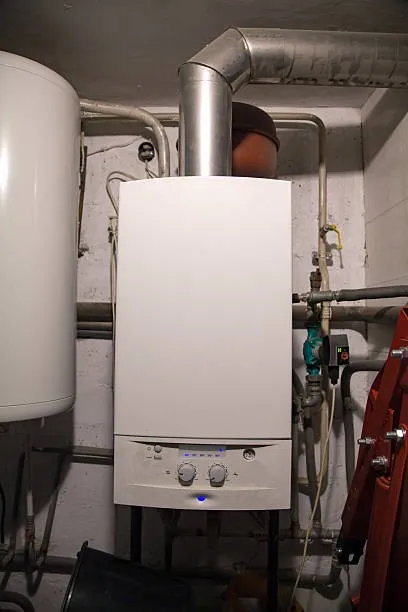
Upgrading to a tankless (on-demand) water heater in Powell, OH is a common decision for homeowners who want continuous hot water, improved energy efficiency, and freed-up storage space. Powell’s cold winters and mixed housing stock—from newer builds to older homes with existing plumbing—make correct sizing, fuel selection, and installation critical to get reliable year-round performance.
Why choose a tankless water heater in Powell, OH
- Continuous hot water for simultaneous showers and appliances when sized correctly.
- Energy savings by eliminating standby heat loss that occurs with storage tanks.
- Space savings: wall-mounted units reclaim basement or utility room space.
- Longer service life: properly maintained units often last significantly longer than traditional tanks.
Local considerations: central Ohio groundwater and winter inlet temperatures are colder than in milder climates, which increases the temperature rise your unit must provide. That affects sizing and may favor higher-BTU gas units or multi-element electric models.
Common tankless water heater issues in Powell, OH
- Undersized units that can’t meet simultaneous demand, especially in winter when inlet water is colder.
- Mineral scaling from moderate to hard water common in the region, reducing heat transfer and flow.
- Insufficient gas line or electrical service leading to poor performance or nuisance shutdowns.
- Incorrect venting or condensate management for high-efficiency condensing models.
- Freeze risk for outdoor units during cold snaps without proper freeze protection.
Sizing and flow-rate calculations (practical approach)
Sizing a tankless unit is about two things: required flow rate (gallons per minute, GPM) and temperature rise (incoming vs desired temperature).
- Estimate peak simultaneous demand by adding fixture flow rates:
- Shower: 1.5 to 2.5 GPM (low-flow to standard)
- Bathroom sink: 0.5 to 1.5 GPM
- Kitchen faucet: 1.0 to 2.2 GPM
- Dishwasher: 1.0 to 2.0 GPM (varies)
- Clothes washer: 1.0 to 2.0 GPM (varies)Example: Two showers (2.0 GPM each) + kitchen (1.5 GPM) = 5.5 GPM peak.
- Determine temperature rise:
- Desired output temp (typically 105°F for showers) minus incoming groundwater temp.
- In central Ohio winters, incoming water can be in the 40s°F, so a 60°F rise may be required.
- Match to unit capacity:
- Manufacturers rate units in GPM at a specific temperature rise. Choose a model whose GPM at the needed rise meets or exceeds peak demand.
If your calculated demand is high, options include a larger single unit, two parallel tankless units, or a hybrid solution (small tank + on-demand).
Fuel options: gas vs electric
- Gas (natural gas or propane):
- Pros: Higher BTU output, better for large households or significant temperature rises; generally lower operating costs per unit of heat.
- Cons: Requires proper venting, gas line sizing, and combustion air considerations. High-efficiency condensing models need stainless steel venting to resist corrosive condensate.
- Electric:
- Pros: Easier to install where gas isn’t available; compact; cleaner combustion-free operation.
- Cons: Lower flow capacity per unit, may require multiple elements or parallel units for higher demand; likely need dedicated high-amp circuits and potential electrical service upgrade.
In Powell, natural gas availability in many neighborhoods often makes gas tankless attractive for larger families; electric units work well for smaller households or point-of-use applications.
Installation requirements and common modifications
- Venting: Non-condensing gas units need properly sized flue venting. Condensing gas units require corrosion-resistant venting and a condensate drain. Outdoor units must be rated for freezing temperatures or have freeze guards.
- Gas line sizing: Many tankless systems require larger gas supply lines (3/4 inch or larger depending on run length) to deliver required BTUs. Upgrading may be necessary.
- Electrical: Electric tankless units typically need high-amp dedicated circuits and potentially a service panel upgrade. Even gas units need a 120V feed for controls and ignition.
- Plumbing: Install isolation valves, a sediment filter or softener if water is hard, and a pressure relief arrangement per code. Condensing units produce acidic condensate that may require neutralization before drain.
- Permits and inspection: Local building codes in Powell and Delaware County require permits and inspections for water heater installations and fuel conversions. Proper combustion air, vent termination clearances, and electrical connections must meet code.
Routine maintenance for longevity
- Descale/flush: Flush and descale the heat exchanger at least annually; frequency should increase to every 6 months in hard-water conditions.
- Filter checks: Clean inlet screens and filters regularly to prevent reduced flow and damage.
- Venting and condensate inspection: Check vent terminations, condensate drains, and neutralizers for blockages or leaks.
- Gas burner and ignition checks: Ensure burners are clean and ignition components operate correctly.
- Freeze protection: Verify outdoor unit freeze guards or insulating measures before winter.
Routine maintenance preserves efficiency, prevents premature failure, and helps maintain manufacturer warranty coverage.
Cost and energy comparisons with traditional tanks
- Upfront installation costs for tankless units are typically higher than for conventional tanks due to equipment price and possible gas/electrical and venting upgrades.
- Operating costs are often lower over time because tankless units eliminate standby losses and heat water only when needed. Savings are most pronounced in households with moderate daily hot water use or where hot water is used sporadically.
- Payback periods vary widely depending on household usage patterns, local energy prices, and installation costs. Long-term savings are also influenced by unit lifespan and maintenance diligence.
Expected lifespan and warranty information
- Typical lifespan: 15 to 25 years with proper maintenance—often longer than standard storage tanks.
- Common warranty structure:
- Heat exchanger: often 10 to 15 years (varies by manufacturer and model)
- Parts and labor: commonly 1 to 5 years
- Warranties may be conditional on professional installation and documented routine maintenance, so keep service records and verify requirements with your chosen product.
Final considerations for Powell homeowners
To get dependable performance in Powell’s climate, prioritize accurate sizing that accounts for cold inlet temperatures, address water hardness through filtration or a frequent descaling plan, and ensure gas and electrical systems are evaluated before committing to a specific unit. Proper venting, condensate management, and local code compliance will protect system reliability and longevity. When done right, a tankless water heater provides continuous hot water, improved efficiency, and long-term value for many Powell, OH homes.
Hot Deals & Cool Savings

.webp)
New Service Agreement Membership
.webp)
Any New Client Service
Next Service for Referring a New Client
New Service Agreement Membership
Any New Client Service
Next Service for Referring a New Client
.webp)
.webp)

Service Areas
