
Water Heater Replacement in Lewis Center, OH
Water Heater Replacement in Lewis Center, OH: learn when to replace vs. repair, cost, permits, energy savings, warranties, and financing options. Learn more.

Water Heater Replacement in Lewis Center, OH
Choosing to replace your water heater is a decision many homeowners in Lewis Center, OH face as units age, efficiency drops, or new household needs emerge.
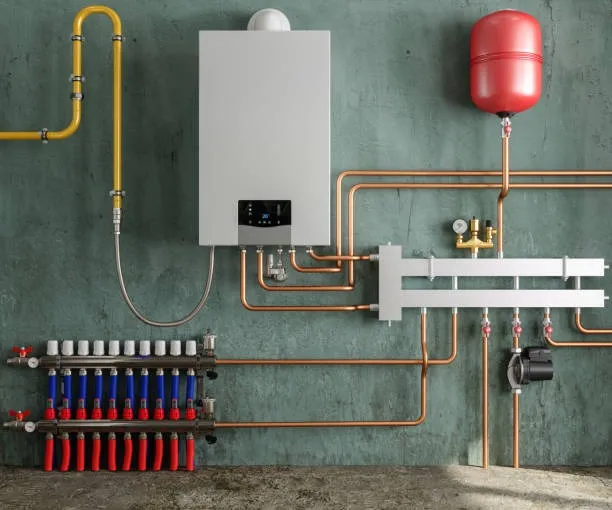
Why replacement may be the better choice
Repairing a water heater can be the smart short-term fix, but replacement becomes the better long-term choice when you see one or more of the following:
- Age: Standard tank water heaters commonly last 8–12 years; tankless systems typically last longer but become less efficient after a decade. An older unit often means recurring repairs and rising inefficiency.
- Frequent repairs: Multiple service calls over a short period usually indicate underlying failure modes (corrosion, failing elements, or heat exchanger problems).
- Leaks or rust: A leaking tank or significant rust at fittings signals internal corrosion; tanks are not repairable once they fail structurally.
- Rising energy bills: Older units lose efficiency; if utility costs for hot water climb, a higher-efficiency replacement can pay back over time.
- Capacity or performance needs: Growing household size, added bathrooms, or new appliances can justify an upsized or tankless system.
For Lewis Center homes, the area’s seasonal temperature swings and typically hard water can accelerate scale buildup and tank corrosion, making timely replacement more cost-effective in many cases.
How technicians evaluate your unit
When evaluating replacement vs repair, HVAC/plumbing technicians typically inspect:
- Unit age and service history
- Visual signs: rust, leaks, sediment buildup, burner condition, anode rod status
- Operational performance: recovery time, thermostat function, water temperature consistency
- Energy efficiency: current unit’s efficiency rating versus modern ENERGY STAR or high-efficiency alternatives
- Water quality: hardness and mineral deposits, which affect longevity and maintenance needs
- Fuel type and infrastructure: gas line sizing, venting for gas models, electrical service capacity for electric or heat pump replacements
This diagnostic approach determines whether a single repair will restore reliable, efficient service or if replacement will reduce risk and total cost of ownership.
Replacement options for Lewis Center homes
- High-efficiency tank water heaters
- Improved insulation and higher efficiency burners/elements
- Easier drop-in replacement for most tank locations
- Good option when you want familiar tank-based capacity with lower operating costs
- Tankless (on-demand) water heaters
- Provide endless hot water and smaller footprint
- Typically more energy efficient for households that use hot water intermittently (savings vary by usage)
- Require proper venting and sometimes larger gas lines or electrical upgrades
- Heat pump (hybrid) water heaters
- Highly efficient in moderate climates; great for basements or conditioned spaces
- May deliver the largest energy savings but need enough space and favorable ambient conditions
- Condensing gas water heaters
- High-efficiency gas option for homes with compatible exhaust systems
Choosing the right option depends on household hot water patterns, existing fuel source, installation location (garage, basement, utility closet), and local climate conditions. In Lewis Center, basement installations must consider cold-season heat loss and freezing risk for exposed piping.
Removal and disposal of the old unit
Proper removal includes disconnecting utilities, draining the tank, neutralizing and disposing of components, and recycling metal. Licensed contractors will:
- Safely disconnect gas, power, and water
- Drain and transport the old tank for recycling
- Cap and test utility lines as required
- Dispose of ancillary parts (anode rods, sensors) according to local waste rules
Delaware County and Lewis Center recycling options and municipal rules typically allow contractor-handled disposal and recycling; contractors should follow all local disposal regulations.
Cost comparisons and what affects price
Replacement costs vary by unit type, capacity, and installation complexity. Factors that raise cost:
- Switching fuel types (electric to gas or vice versa)
- Upgrading gas line size, adding ventilation, or bringing electrical service up to code
- Removing and rerouting plumbing or moving the unit location
- Adding code-required components (expansion tanks, seismic straps in some jurisdictions)While initial cost for a tankless or heat-pump unit is higher than a standard tank, lifetime operating savings and longer lifespan can offset higher upfront investment in many homes.
Installation timeline and permit requirements
- Typical straightforward replacements in the same location: 4–8 hours of on-site work.
- More complex installations (venting changes, fuel swap, major plumbing or electrical work): 1–3 days or longer.
- Permits and inspections: Many jurisdictions around Lewis Center require a plumbing or mechanical permit and a post-installation inspection. Permit lead times and inspection scheduling can add days to the project timeline. Confirming local building and plumbing code requirements through the Lewis Center or Delaware County building department is a normal part of the process.
Expected energy savings
- High-efficiency tank: commonly saves roughly 10–20% on water heating energy vs older standard tanks.
- Tankless: can save around 20–35% for households with lower-to-moderate hot water demand; savings depend strongly on usage patterns.
- Heat pump (hybrid): often yields 50–60% or more energy savings for water heating compared to standard electric resistive tanks in favorable installations.
Actual savings vary with family size, hot water habits, and local utility rates in central Ohio. Combining a new efficient unit with measures like lower setpoint temperatures and low-flow fixtures maximizes savings.
Warranty and maintenance considerations
- Manufacturer warranties: Tanks often carry 6–12 year limited warranties; tankless and condensing units may offer 10–15 year warranties on heat exchangers with shorter parts coverage.
- Labor warranties: Vary by installer and may cover workmanship for a limited period.
- Maintenance: Annual flushing to remove sediment for tanks; descaling of tankless units every 6–24 months in hard water areas; regular inspection of T&P valve, anode rod checks for tanks, and periodic vent and burner cleaning for gas models.
Given Lewis Center’s water hardness, more frequent descaling or a water-softening/pre-treatment solution can extend equipment life and protect warranties.
Financing options and local incentives
Many homeowners finance replacements through consumer financing, home improvement loans, or zero-interest plans from contractors. In addition, state and utility incentive programs in Ohio often provide rebates or incentives for high-efficiency water heaters, heat pumps, or upgrades that reduce energy demand. Local programs and seasonal incentives change frequently, so verifying current offerings from Delaware County and regional utilities helps capture available savings.
Final considerations
Replacing a water heater in Lewis Center, OH is more than swapping equipment — it’s an investment in comfort, safety, and lower operating costs. Evaluate age, repair history, local water quality, and household hot water needs to decide between repair and replacement. If you select replacement, plan for permitting, proper disposal, and a maintenance schedule that protects warranty coverage and maximizes long-term savings in the Central Ohio climate.
Hot Deals & Cool Savings

.webp)
New Service Agreement Membership
.webp)
Any New Client Service
Next Service for Referring a New Client
New Service Agreement Membership
Any New Client Service
Next Service for Referring a New Client
.webp)
.webp)

Service Areas
