
Water Heater Installation in Lewis Center, OH
Professional water heater installation in Lewis Center, OH. Site assessment, sizing, fuel options, permits, and clear service details—Learn more.

Water Heater Installation in Lewis Center, OH
Replacing or installing a water heater is a major home project that affects safety, comfort, and monthly energy bills. For homeowners in Lewis Center, OH, the right installation balances local climate needs, fuel availability, energy efficiency goals, and code compliance.
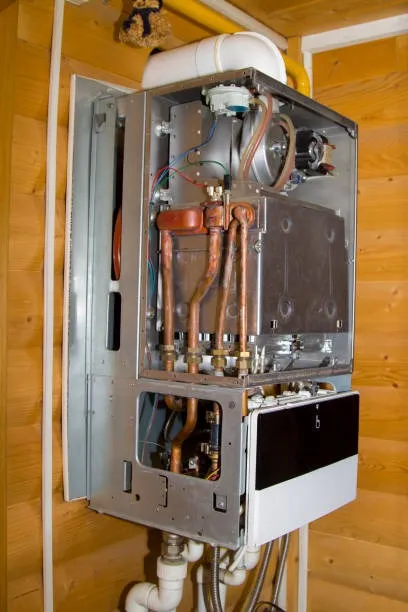
Why a proper installation matters in Lewis Center, OH
Lewis Center experiences cold winters that increase hot water demand and stress on systems. Many homes in the area also face moderately hard water, which accelerates sediment buildup inside tanks and can shorten service life. A professional installation ensures correct venting and freeze protection, proper gas or electrical hookups, and measures to reduce scale and corrosion—helping your new water heater run safely and efficiently for years.
Common water heater issues in Lewis Center, OH
- Age-related failure: tanks older than 10–15 years often show leaks, rust, or poor heating.
- Reduced hot water supply or fluctuating temperatures.
- Unusual noises from sediment buildup.
- Rising energy bills due to inefficient recovery.
- Corrosion or visible leaks around fittings and the tank base.These signs typically indicate replacement rather than repair.
Site assessment and initial recommendations
A thorough site assessment evaluates:
- Current fuel source and availability (natural gas, propane, or electric).
- Space constraints and ventilation capacity.
- Water heater location relative to living spaces and freezing risk.
- Water hardness and need for softening or scale control.
- Typical household hot water demand (number of people, fixtures, and simultaneous uses).
From that assessment, installers recommend:
- Tank size: Common residential sizes are 30, 40, and 50 gallons—40–50 gallons suit most families. For larger households or heavy simultaneous use, consider a larger tank or tankless system sized by GPM.
- First hour rating and recovery rate: For tanks, look at first hour rating (how much hot water is available in the first hour). For tankless, focus on flow rate in gallons per minute (GPM) and temperature rise.
- Fuel type: Gas typically offers lower operating costs and faster recovery in gas-ready homes; electric is simpler to install but can cost more to operate. Heat pump and condensing options increase efficiency but have different space and venting needs.
Energy-efficient options to consider
- High-efficiency gas tanks: Better insulation and improved burners reduce fuel use.
- Tankless water heaters: Provide on-demand hot water with high efficiency for the right household profile. Require correct gas sizing and may need water treatment in hard-water areas.
- Heat pump water heaters: Very efficient in conditioned spaces; performance drops in uninsulated or very cold locations.
- Condensing gas water heaters: High-efficiency for gas-equipped homes but require proper venting and drain for condensate.
- Hybrid systems: Combine tank storage with heat pump technology for balanced efficiency and capacity.
Permits and code compliance in Lewis Center
Local building permits and inspections are typically required for water heater replacements or fuel conversions. Code items often inspected:
- Proper venting and combustion air for gas units.
- Correct pressure relief valve installation.
- Dedicated electrical circuits for electric or hybrid units.
- Seismic or flood clearance where applicable.Permits ensure installations meet the Ohio and local Lewis Center or Delaware County building codes and pass a safety inspection.
Typical installation timeline and process
- Site assessment and model selection (30–60 minutes).
- Permit application and approval (time varies; often several days to a couple of weeks).
- Scheduling the installation day and preparing the area.
- Old unit removal and disposal (1–2 hours).
- Rough-in work: venting, gas piping, electrical upgrades, and water connections (1–3 hours).
- New unit set, secure, and connected (1–3 hours depending on complexity).
- System commissioning and testing (30–60 minutes).Total on-site time for a straightforward replacement is often half a day; complex installations (tankless, location moves, or fuel conversions) can take longer.
Post-installation testing and handover
After installation, a professional will:
- Pressure-test water lines and check for leaks.
- Verify correct venting and combustion safety for gas units.
- Set thermostat and check hot water delivery and recovery rate.
- Inspect safety devices: temperature & pressure relief valve, expansion tank for closed systems.
- Provide documentation: permit/inspection paperwork, manufacturer warranty registration instructions, and maintenance guidance.
Warranty and manufacturer information
- Manufacturer warranties usually vary by model: common ranges are 6–12 years for conventional tanks, longer for some premium tanks and heat pump units. Tankless units often have separate warranties for parts and heat exchangers.
- Installer warranty: Many installers offer a workmanship warranty (commonly around 1 year) in addition to manufacturer coverage.Register your new unit with the manufacturer and keep installation paperwork to preserve warranty rights.
Financing and rebate programs
Homeowners in Lewis Center may qualify for:
- Local utility rebates for energy-efficient models.
- State or federal efficiency incentives and tax credits for qualifying equipment.
- Manufacturer or retailer rebates.
- Financing through third-party lenders or home improvement programs.Availability changes frequently—ask your installer or check with local energy programs for current options.
What homeowners should expect before, during, and after installation
Before:
- Clear access to the water heater area and remove stored items.
- Plan for utility shutdowns (water, gas, or power) during the swap.During:
- Technicians will shut off utilities, remove the old unit, and complete the installation, testing, and cleanup.
- Expect some noise and brief interruptions to hot water service.After:
- A final walkthrough explaining operation, maintenance tips, and warranty details.
- Ensure you receive copies of permits and inspection reports.
- Consider scheduled maintenance: periodic flushing, anode rod checks, and water-softening solutions if your water is hard.
Maintenance tips to extend life and efficiency
- Flush tanked water heaters annually to remove sediment.
- Replace sacrificial anode rods every few years if applicable.
- Install a water softener or scale inhibitor in hard-water homes to protect tankless units and heating elements.
- Inspect the T&P valve and expansion tank yearly.
- For gas units, have combustion and venting checked periodically.
Final notes on value and safety
Proper installation in Lewis Center, OH ensures code compliance, safe operation, and long-term efficiency tailored to local climate and household needs. Selecting the correct size and technology, addressing water quality, and following permit and inspection requirements protect your investment and keep your home comfortable and safe throughout Ohio winters and summers.
Hot Deals & Cool Savings

.webp)
New Service Agreement Membership
.webp)
Any New Client Service
Next Service for Referring a New Client
New Service Agreement Membership
Any New Client Service
Next Service for Referring a New Client
.webp)
.webp)

Service Areas
