
Water Heater Replacement in Franklinton, OH
Water heater replacement in Franklinton, OH: learn when to replace, compare options, financing, and the typical installation timeline. Learn more.

Water Heater Replacement in Franklinton, OH
Replacing a water heater is a major home service decision. In Franklinton, OH, where older housing stock, cold winters, and moderately hard water combine to shorten appliance life, timely replacement keeps your home safe, reduces energy waste, and prevents unexpected failures.
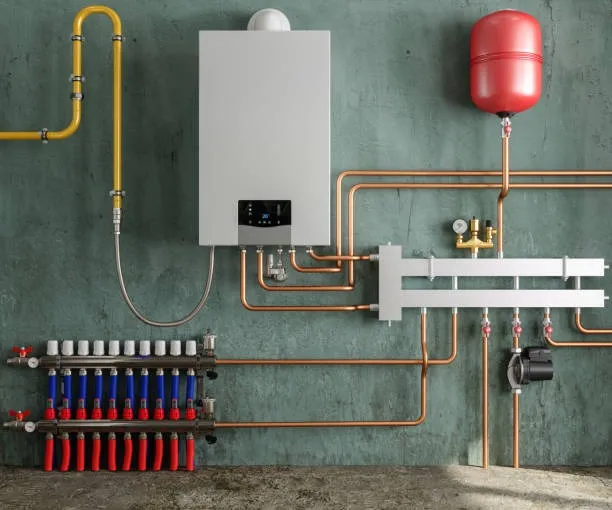
When to consider water heater replacement
Signs your water heater is ready for replacement include:
- Age over 10–12 years for conventional tanks or manufacturer-specified life for tankless and heat pump units.
- Rusty or discolored hot water that persists after flushing.
- Repeated leaks or corrosion around the tank seams, valves, or fittings.
- Rumbling or banging noises from heavy sediment buildup.
- Declining hot water capacity or longer recovery times.
- Frequent repairs that approach or exceed the expected remaining lifespan.
In Franklinton homes, freeze-related damage in winter and mineral buildup from hard water are common accelerants of failure. If your home is older or the current unit has been repaired multiple times, replacement is frequently the more reliable long-term option.
Evaluation process for selecting a replacement unit
A professional evaluation typically covers:
- Capacity needs: Assess household size, peak simultaneous use (showers, dishwasher, laundry), and future needs (bathroom additions).
- Fuel source and availability: Natural gas, electric, propane, or hybrid options—confirm existing connections and venting.
- Installation location constraints: Basement clearances, access for venting, or retrofit limitations in small utility closets common in Franklinton row homes.
- Water quality: Hard water increases sediment and shortens tank life; consider water softening or sediment-control measures.
- Energy efficiency goals: Compare Energy Factor (EF) or Uniform Energy Factor (UEF) for performance and ongoing operating cost implications.
- Local code and permitting: Confirm required permits and inspection processes for Franklinton/Franklin County installations.
An on-site inspection delivers a precise recommendation for size and system type tailored to your home’s plumbing and usage.
Upgrade options and how they compare
Common replacement choices with trade-offs relevant to Franklinton homeowners:
- Conventional tank water heaters
- Pros: Lower upfront complexity, simple replacement for like-for-like swaps, reliable.
- Cons: Shorter lifespan than tankless or heat pump systems, higher standby heat loss.
- High-efficiency condensing gas tanks
- Pros: Better fuel efficiency for gas homes, improved operating costs.
- Cons: Requires proper venting and drain for condensate.
- Electric heat pump (hybrid) water heaters
- Pros: Very high efficiency in moderate climates, lower operating costs.
- Cons: Reduced performance in cold, unconditioned spaces; often best installed in conditioned basements or utility rooms.
- Tankless (on-demand) water heaters
- Pros: Continuous hot water, smaller footprint, longer service life.
- Cons: Higher initial installation complexity, may require upsized gas line or electrical service; performance can be affected by extremely cold inlet water unless properly sized.
- Point-of-use units
- Pros: Useful for isolated needs (bathroom addition), reduce distribution heat loss.
- Cons: Not a whole-house solution.
When selecting, weigh installation complexity (venting, vent-capability, fuel-line upgrades), expected operating savings, and the physical fit for Franklinton homes that may have tight access and older venting arrangements.
Removal and disposal of the old unit
Safe removal includes:
- Proper disconnect of power or gas and safe handling of plumbing connections.
- Drain and flush to remove standing water and reduce weight.
- Handling of refrigerant if replacing a heat pump or hybrid unit that contains refrigerant—certified recovery is required.
- Recycling of metal and safe disposal of non-recyclable components per local regulations.
Franklinton and Franklin County recycling rules may require metal recycling and specific procedures for appliances. A responsible installer will handle permit checks and ensure environmental disposal and recycling practices are followed.
Cost considerations and financing alternatives (non-price guidance)
Factors that drive replacement cost:
- Unit type and efficiency class
- Capacity and fuel source conversion needs
- Necessary upgrades (venting, gas line, electrical service)
- Accessibility and labor complexity in older homes
- Permit and inspection requirements
Financing alternatives to spread project cost commonly include:
- Manufacturer or installer financing plans for eligible energy-efficient equipment
- Home improvement loans or personal loans
- Home equity options when available
- Utility or municipal rebate, incentive programs, and energy-efficiency financing (check local availability)
- Payment plans through lending partners for larger upgrades
Ask installers about available warranty-backed equipment financing and whether energy-efficiency upgrades qualify for local utility incentives or rebate programs in Franklinton.
Replacement timeline and warranty transfer
Typical replacement steps and timing:
- Initial inspection and recommendation: on-site assessment to confirm sizing and scope.
- Permit application: permit times vary by jurisdiction; factor this into scheduling.
- Ordering equipment: lead times depend on model and availability.
- Installation: most standard replacements are completed in a day; complex retrofits may take multiple days.
- Inspection and sign-off: local inspectors confirm code compliance before operation.
Warranty considerations:
- Factory warranty applies to the new unit for parts and sometimes tank failure; labor warranties vary by installer.
- Registration and paperwork: register the unit with the manufacturer to ensure warranty protection and confirm whether warranties are transferable if you sell the home.
- Extended warranties and parts-and-labor coverage may be available; confirm transfer conditions and exclusions.
Maintenance to extend the new system’s life
Routine maintenance keeps performance high and delays replacement:
- Annual flushing to remove sediment in tank systems.
- Inspect and test the temperature and pressure relief valve annually.
- Check and replace the sacrificial anode rod every 3–5 years (more often with hard water).
- Insulate hot water pipes and, if appropriate, the tank to reduce heat loss.
- Maintain proper thermostat settings (around 120 F for safety and efficiency).
- Address hard water with a water softener or sediment filters to reduce scale buildup.
- Schedule regular professional tune-ups for gas burners, venting checks, and electrical connections.
In Franklinton, protecting equipment from freeze risks, ensuring piping in crawlspaces or exterior walls is insulated, and managing mineral buildup will be particularly important.
Hot Deals & Cool Savings

.webp)
New Service Agreement Membership
.webp)
Any New Client Service
Next Service for Referring a New Client
New Service Agreement Membership
Any New Client Service
Next Service for Referring a New Client
.webp)
.webp)

Service Areas
