
Water Heater Repair in Franklinton, OH
Water heater repair in Franklinton, OH: trusted diagnostics and timely repairs for homes. Schedule service today for fast results.

Water Heater Repair in Franklinton, OH
Keeping hot water flowing is essential for comfort and operations in Franklinton, OH — where older homes, seasonal cold, and hard, mineral-rich water can accelerate wear on water heaters.
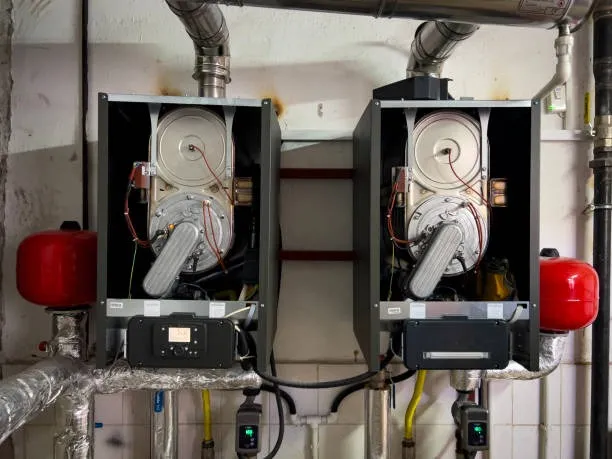
Why timely water heater repair matters in Franklinton, OH
Franklinton’s mix of historic houses and newer developments means many properties have aging plumbing and water heaters located in basements or lower levels that are prone to flooding. Cold Ohio winters increase demand on heaters and can reveal failing components. Addressing problems quickly prevents appliance failure, reduces risk of water damage in flood-prone basements, and restores energy efficiency.
Common water heater problems in Franklinton
- No hot water - total loss of heat is often caused by failed thermostats, elements, gas control valves, or ignition problems on gas units.
- Insufficient hot water or short cycling - sediment buildup, faulty thermostats, or undersized tanks are typical causes.
- Leaks - corroded tanks, loose fittings, pressure relief valve failures, or damaged drain valves.
- Thermostat or heating element failures - electric units commonly suffer element burnout; thermostats can lose calibration.
- Pilot light or ignition issues - gas units can have faulty thermocouples, gas valves, or clogged burners.
- Sediment buildup and rumbling noises - hard water in the Columbus/Franklinton area leads to sediment accumulation that reduces efficiency and damages heating components.
- Strange odors or discoloration - bacteria or rusty pipes can affect water quality and indicate anode rod depletion or corrosion.
Diagnostic and troubleshooting process (step-by-step)
- Intake and history - technician documents unit type, age, symptoms, recent changes, and whether the building has hard water or past flooding.
- Visual inspection - check for active leaks, corrosion, proper venting, and safe clearances.
- Basic safety checks - confirm electrical breakers, gas supply, and pilot status; inspect TPR (temperature-pressure relief) valve.
- Functional tests - temperature readings at tank and fixtures, thermostat checks, element resistance tests for electric units, and flame pattern or ignition diagnostics for gas units.
- Sediment assessment - drain a sample to evaluate scale and sediment, and test anode rod condition if accessible.
- Diagnosis and estimate - technician provides a clear description of the problem, repair options, parts needed, labor estimate, and expected timeline.
Typical repairs and solutions
- Replace heating elements or thermostats (electric units) - quick fixes that often restore hot water within a few hours.
- Replace gas control valves, thermocouples, or ignition assemblies (gas units) - common ignition failures can be repaired on-site.
- Repair or replace pressure relief valves, drain valves, or fittings - stops leaks and ensures safe pressure relief.
- Flush tank and perform sediment removal - improves efficiency and prolongs component life, especially in hard water areas.
- Replace anode rod - prevents tank corrosion and extends service life.
- Tank replacement - recommended when tanks are corroded, leaking, or beyond economical repair; more likely in older Franklinton homes with original equipment.
Emergency repair options and homeowner safety
- Emergency symptoms include major leaks, no hot water in critical facilities, or gas odor. For safety: turn off electrical power at the breaker for electric units, shut the gas valve for gas units if safe to do so, and close the cold water supply to the tank to limit flooding.
- Emergency response times vary by provider and season. Typical options include same-day service for non-life-threatening failures and prioritized emergency response (often within 2-6 hours) for active leaks or gas concerns in commercial settings.
- Technicians will secure the scene, stop water/gas flow as needed, and provide a temporary remedy or expedited repair plan.
Typical parts, labor, and timeframes
- Common parts: heating elements, thermostats, gas control valves, thermocouples, anode rods, TPR valves, drain valves, expansion tanks, burner assemblies, and sacrificial anode kits.
- Labor times: simple thermostat or element replacements - 1 to 3 hours; valve or ignition repairs - 2 to 4 hours; tank flush and maintenance - 45 minutes to 2 hours; full tank replacement - 3 to 6 hours depending on access and piping complexity.
- In Franklinton homes with basement installations or limited access, expect additional time for safe removal and disposal of old units.
Warranty information — what to expect
- Manufacturer warranties on water heater tanks commonly range from 3 to 12 years depending on make and model. Components like thermostats, valves, and elements usually have shorter warranties of 90 days to 2 years.
- Labor warranties on repairs vary by service provider; common labor guarantees run from 30 days to 1 year on repair work.
- Keep manufacturer documentation and proof of maintenance (like annual flush records) to support warranty claims — this is especially important for older units in Franklinton where corrosion risk is higher.
Preventative maintenance tips for Franklinton properties
- Flush the tank annually to remove sediment that is common with hard water in the region.
- Check and test the TPR valve yearly to ensure it operates freely.
- Inspect and replace the anode rod every 3 to 5 years, or sooner in homes with corrosive water.
- Consider installing a water softening or scale-control system to reduce sediment and extend heater life.
- Maintain clearance and proper venting, especially in basements or utility closets that might collect moisture after heavy rains or flooding events.
- Lower thermostat setting to 120 F to reduce scale formation and energy use while preventing scalding.
- Schedule an annual inspection to catch small issues before they become emergencies.
How scheduling and on-site service generally work
- When arranging service, be prepared to provide the unit type (gas or electric), brand, approximate age, symptoms, and accessibility details (basement location, tight stairs, parking restrictions).
- Typical on-site visit includes a detailed diagnostic, written explanation of findings, and clearly presented repair options with parts and labor estimated. Emergency visits prioritize safety and triage repairs to restore hot water or stop leaks quickly.
- After repair, technicians normally test the unit under load, verify proper operation, and document work performed, parts installed, and any maintenance recommendations or warranty details.
Long-term benefits of prompt repair and maintenance
Timely repair and regular maintenance restore comfort, minimize water damage risk in Franklinton’s flood-prone areas, improve energy efficiency, and extend the life of water heaters. Proper upkeep reduces sudden downtime for businesses and prevents disruption in multi-family or older residential buildings common in the neighborhood.
This overview equips Franklinton homeowners and businesses to understand water heater repair steps, typical solutions, and local factors that affect longevity and performance. Follow maintenance guidance and address warning signs early to keep hot water reliable through Ohio winters and beyond.
Hot Deals & Cool Savings

.webp)
New Service Agreement Membership
.webp)
Any New Client Service
Next Service for Referring a New Client
New Service Agreement Membership
Any New Client Service
Next Service for Referring a New Client
.webp)
.webp)

Service Areas
