
Tankless Water Heater in Franklinton, OH
Discover tankless water heater installation in Franklinton, OH, with energy savings, endless hot water, and expert guidance. Learn more.

Tankless Water Heater in Franklinton, OH
Upgrading to a tankless (on-demand) water heater in Franklinton, OH is a decision many homeowners make to reduce energy use, reclaim space, and enjoy continuous hot water. For Franklinton homes—many of which are urban, compact, and in a flood-prone river plain—the reduced footprint, flexible installation options, and long-term reliability of tankless systems make them particularly attractive.
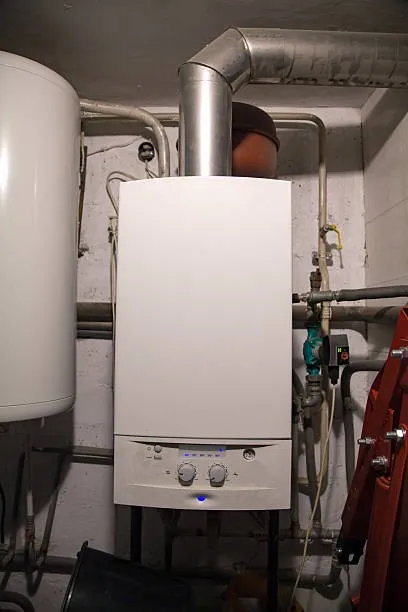
Why choose a tankless water heater in Franklinton, OH
- Energy savings: Tankless units avoid standby heat loss and can reduce water-heating energy use significantly, especially for households that use hot water intermittently.
- Continuous hot water: On-demand heating provides near-unlimited hot water for showers, laundry, and kitchen use when appropriately sized.
- Small footprint: Wall-mounted units free basement or utility closet space—useful in Franklinton rowhouses, renovated properties, and small modern homes.
- Longevity: Properly maintained tankless systems often last 15–25 years, longer than traditional storage tanks.
- Flood-sensitivity: In a flood-prone neighborhood like Franklinton, placing a tankless unit higher on a wall or selecting an outdoor-rated unit can reduce flood risk to the water-heating equipment.
Common tankless water heater types and local considerations
- Condensing gas tankless: High efficiency, useful for larger homes or cold winters when incoming water temperatures are low. Requires proper venting and condensate drainage.
- Non-condensing gas tankless: Simpler venting but slightly lower efficiency. Still common where retrofit venting is restricted.
- Electric tankless: Compact and vent-free, ideal for smaller households or point-of-use installs. In Franklinton’s older houses, electrical service upgrades may be needed.
Franklinton seasonal effects: Ohio winters lower ground/well water temperature substantially, increasing the required temperature rise for hot water. Also, Columbus-area water tends to be moderately hard, increasing the need for scale control and regular descaling.
Sizing and flow-rate calculations (simple guide)
Sizing correctly is critical—undersized units cause temperature drops during simultaneous use.
Steps:
- List fixtures likely to run at the same time (example: one shower + dishwasher).
- Estimate flow rates (typical ranges):
- Shower: 1.5–2.5 gallons per minute (gpm)
- Kitchen sink/dishwasher: 1.0–2.0 gpm
- Bathroom sink: 0.5–1.5 gpm
- Washing machine: 1.5–2.0 gpm
- Add concurrent flows to get total required gpm.
- Determine required temperature rise = desired output temperature (commonly 120°F) minus incoming water temperature (in Franklinton winters this may be 40–50°F; in summer 60–70°F).
- Convert to required heating power:
- BTU/hr = GPM × 500 × ΔT
- kW = BTU/hr ÷ 3412
Example: For 3 gpm concurrent flow and 70°F rise:
- BTU/hr = 3 × 500 × 70 = 105,000 BTU/hr
- kW ≈ 31 kWThis suggests a large gas unit (100k–199k BTU) or a high-capacity electric model (often requiring 30–36 kW and significant breaker capacity). Always verify with a professional load calculation and local code requirements.
Gas vs electric: which is right for Franklinton homes?
- Gas tankless
- Pros: Higher peak output for large families or high-temperature rises; generally lower operating cost where natural gas prices are favorable.
- Cons: Requires proper venting (exhaust and intake), condensate drain for high-efficiency units, and adequate gas line sizing. Urban placement and vent routing must meet local building codes.
- Local note: Many Franklinton properties have natural gas service, making gas tankless a practical choice for whole-house systems.
- Electric tankless
- Pros: Easier installation w.r.t venting, smaller units that fit tight spaces; ideal for point-of-use or small households.
- Cons: High electrical demand for whole-house use; older panels in Franklinton homes frequently need upgrades to accommodate 20–40+ kW electric units, which increases retrofit complexity and cost.
Installation requirements and site considerations
- Venting: Gas units need direct venting—either high-efficiency PVC venting for condensing units or stainless/flue for non-condensing. Urban placement may limit vent runs and require permit approval.
- Gas-line sizing: Upgrading from 1/2" to 3/4" pipe is common for high-BTU units to ensure adequate supply.
- Electrical: Even gas units require 120V/240V for controls and ignition; electric units need multi-breaker installations and possibly service upgrades.
- Condensate and drainage: High-efficiency condensing units produce acidic condensate that must be drained properly.
- Freeze protection: For outdoor units or units in unheated spaces, freeze protection features or installed heat-trace are essential in Franklinton’s cold winters.
- Flood risk: Given Franklinton’s low-lying areas, mount indoor units above expected flood elevation or choose outdoor-rated equipment positioned above flood lines.
Permits and local inspections are typically required. Follow municipal codes for venting, fuel connections, and electrical work.
Maintenance, descaling, and common troubleshooting
- Maintenance
- Flush and descale the heat exchanger annually or every 6 months if water hardness is high. In the Columbus/Franklinton area, moderate hardness means many households benefit from annual service or a water-softening pre-treatment.
- Clean inlet water filter/strainer every few months.
- Inspect burner and venting annually for gas units.
- Common issues
- No hot water: Could be electrical supply issue, gas supply interruption, or ignition failure.
- Fluctuating temperatures: Often caused by scale buildup, low minimum flow rate not being met, or undersized unit for peak demand.
- Low flow or pressure: Mineral scale inside the unit or debris in filters; check inlet strainers.
- Error codes: Modern units display codes—track these for diagnostics. Many codes point to sensor, ignition, or flow-switch issues.
- Basic homeowner checks: clean inlet filter, ensure breakers are on, verify gas valve positions. For gas line, venting, and internal repairs, rely on licensed professionals for safety and code compliance.
Cost and energy-use comparisons with traditional tanks
- Upfront cost: Tankless systems typically cost more to purchase and install than a conventional tank, especially when electrical or gas-line upgrades or complex venting are required.
- Operating cost: Reduced standby losses often translate to 15–30% energy savings for typical households; actual savings depend on household hot water usage patterns. Homes with high hot water demand see smaller percentage savings but benefit from endless hot water.
- Lifespan and warranty: Tankless units commonly last 15–25 years with proper maintenance; storage tanks usually last 8–12 years. Manufacturer warranties vary: heat exchanger warranties often range from 5 to 15 years, with shorter terms on parts.
- Environmental impact: Higher efficiency and lower fuel consumption reduce greenhouse gas emissions over the system life.
Final considerations for Franklinton homeowners
Tankless water heaters suit Franklinton properties that value space savings, energy efficiency, and continuous hot water—especially in renovated urban homes or buildings where raising equipment above anticipated flood level is possible. Proper sizing for Ohio’s cold inlet water, attention to water hardness and descaling, and appropriate venting or electrical upgrades are the keys to reliable, long-lasting performance. For any whole-house application, confirm local permit and inspection requirements and plan for routine maintenance to protect your investment and ensure peak efficiency.
Hot Deals & Cool Savings

.webp)
New Service Agreement Membership
.webp)
Any New Client Service
Next Service for Referring a New Client
New Service Agreement Membership
Any New Client Service
Next Service for Referring a New Client
.webp)
.webp)

Service Areas
